Lubricant Manufacturing Basics Explained for Learning How Industrial Lubricants Are Made
Lubricants play a critical role in modern industry by helping machines operate smoothly, reducing friction between moving parts, and supporting equipment longevity.
From manufacturing facilities and power generation plants to transportation systems and heavy industrial machinery, lubricants are used in countless applications where reliable mechanical performance is essential.
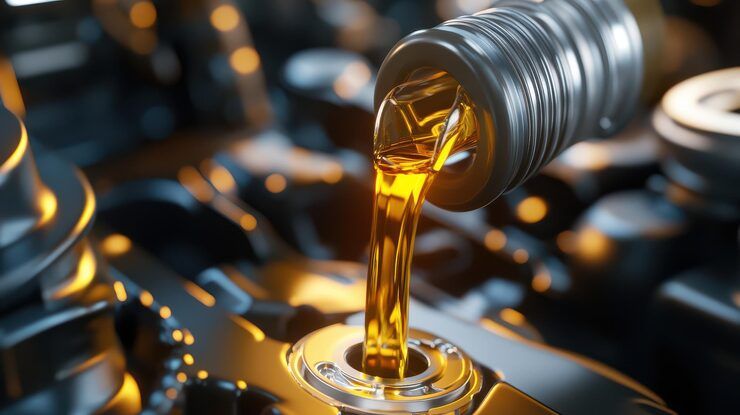
Although lubricants are often viewed as simple industrial fluids, their production involves carefully controlled processes, specialized raw materials, and detailed quality standards. Modern lubricant manufacturing combines chemistry, engineering, and process control to create products that perform consistently under a wide range of operating conditions.
What really matters is not simply mixing oils and additives together. The effectiveness of a lubricant often depends on how raw materials are selected, processed, blended, and tested before reaching industrial applications.
This guide explores the fundamentals of lubricant manufacturing, explains how industrial lubricants are produced, highlights key manufacturing stages, and examines the technologies shaping the future of lubricant production.
Understanding Lubricant Manufacturing
Lubricant manufacturing is the process of producing fluids and specialized formulations designed to reduce friction, control wear, transfer heat, and support machinery performance.
Industrial lubricants are used in equipment ranging from small mechanical systems to large-scale manufacturing machinery. Depending on the intended application, lubricants may be formulated to withstand high temperatures, heavy loads, extreme pressures, or demanding operating environments.
This matters because machinery performance often depends on selecting and producing lubricants that meet specific operational requirements.
A practical example is a manufacturing plant using specialized lubricants to support continuous equipment operation while minimizing wear on critical components.
Why Industrial Lubricants Are Important
Machines contain moving parts that generate friction during operation. Without proper lubrication, excessive friction can increase wear, generate heat, and reduce equipment efficiency.
Industrial lubricants help create protective layers between surfaces, reducing direct contact and supporting smoother mechanical movement. They may also assist with cooling, contamination control, and corrosion protection.
The real difference appears when lubricants are designed to match the demands of specific industrial environments rather than serving as general-purpose solutions.
A real-world example is a high-speed production machine that relies on specialized lubrication to maintain consistent performance throughout extended operating cycles.
Raw Materials Used in Lubricant Manufacturing
The manufacturing process begins with carefully selected raw materials.
Base oils form the primary component of most lubricants and provide the fundamental lubricating properties required for machinery operation.
Additives are incorporated to improve specific performance characteristics. These materials may enhance wear protection, oxidation resistance, thermal stability, or cleanliness.
Depending on the application, manufacturers may also use synthetic components or specialized chemical formulations to achieve desired performance objectives.
The quality of raw materials matters because it directly influences the final lubricant's effectiveness and reliability.
How Industrial Lubricants Are Manufactured
Lubricant manufacturing involves several controlled production stages designed to ensure consistency and performance.
The process typically begins with the preparation and verification of raw materials. Base oils and additives are evaluated to ensure they meet production requirements.
Blending operations then combine these materials according to carefully developed formulations. During this stage, manufacturers control temperature, mixing conditions, and ingredient proportions to achieve uniform product characteristics.
After blending, the lubricant undergoes testing and quality evaluation before packaging and distribution.
This matters because even minor variations during production can influence lubricant performance in industrial applications.
A practical example is a lubricant manufacturer using automated blending systems to maintain consistency across large production batches.
Key Stages in Lubricant Manufacturing
Although specific production methods vary, most lubricant manufacturing facilities follow a similar workflow.
Raw Material Preparation
Base oils and additives are received, inspected, and prepared for production activities.
Blending and Formulation
Materials are combined according to predetermined formulations designed for specific performance requirements.
Quality Testing
Laboratory analysis helps verify product characteristics and manufacturing consistency.
Packaging and Storage
Finished lubricants are packaged and prepared for distribution while maintaining product integrity.
Each stage contributes to the overall quality and reliability of the final product.
The Role of Additives in Lubricant Performance
Additives are important components within modern lubricant formulations.
While base oils provide core lubrication properties, additives enhance performance in specific operating conditions. Different additives may support wear protection, thermal stability, corrosion resistance, or contamination control.
This matters because industrial equipment often operates in environments where standard lubrication properties alone may not be sufficient.
Common additive functions include:
- Wear reduction
- Corrosion protection
- Oxidation resistance
- Thermal stability enhancement
Together, these capabilities help lubricants perform effectively under demanding industrial conditions.
Quality Control in Lubricant Manufacturing
Quality control is a critical aspect of lubricant production.
Manufacturers conduct testing throughout the production process to verify consistency, composition, and performance characteristics. Laboratory evaluations help ensure products meet established specifications before they are released for industrial use.
This approach matters because lubricant quality directly affects equipment reliability and operational performance.
A real-world example is a manufacturing facility performing viscosity and stability testing on production batches before packaging operations begin.
The real difference appears when quality management systems consistently support product reliability across multiple production cycles.
Challenges in Lubricant Manufacturing
Like many industrial processes, lubricant manufacturing involves several operational challenges.
Raw material consistency is an important consideration because variations can affect product performance.
Production control must be maintained carefully to ensure blending accuracy and formulation integrity.
Environmental considerations are also becoming increasingly important as manufacturers seek more sustainable production methods and lubricant technologies.
A practical example is a production facility implementing advanced monitoring systems to maintain formulation accuracy throughout blending operations.
Understanding these challenges helps explain the complexity behind modern lubricant production.
Comparing Major Lubricant Types
| Lubricant Type | Primary Application | Key Characteristic |
|---|---|---|
| Mineral-Based Lubricants | General Industrial Use | Widely Used Formulations |
| Synthetic Lubricants | Advanced Applications | Enhanced Performance |
| Hydraulic Fluids | Hydraulic Systems | Power Transfer Support |
| Gear Lubricants | Gear Equipment | Load Protection |
| Specialty Lubricants | Specific Environments | Customized Properties |
The real difference appears when lubricant formulations are matched to operational requirements and equipment conditions.
Decision Guide for Understanding Lubricant Selection
Understanding lubricant categories often requires considering several practical factors.
Equipment type is usually a starting point because different machines operate under different mechanical conditions.
Operating environments should also be evaluated. Temperature, pressure, load, and contamination exposure can influence lubricant requirements.
Performance expectations matter as well because industrial applications often demand specific lubrication characteristics.
A practical example is comparing a hydraulic system with a heavy-duty gearbox. Although both require lubrication, their performance requirements and operating conditions differ significantly.
In many cases, the real difference appears when lubricant properties align closely with equipment needs and operational objectives.
Real-World Applications of Industrial Lubricants
Industrial lubricants support a wide range of sectors and applications.
Manufacturing facilities use lubricants to support machinery operation and production efficiency.
Power generation systems rely on lubrication to maintain equipment reliability and performance.
Mining operations utilize specialized lubricants capable of operating under demanding environmental conditions.
Transportation and logistics industries depend on lubricants to support vehicle and equipment functionality.
These applications demonstrate the broad importance of lubricant technology across modern industrial environments.
Future Trends in Lubricant Manufacturing
The lubricant industry continues evolving through advances in chemistry, sustainability, and production technology.
Synthetic formulations are becoming increasingly important in applications requiring advanced performance characteristics.
Digital monitoring technologies are helping organizations evaluate lubricant condition and maintenance requirements more effectively.
Research into environmentally responsible lubricant solutions is also expanding as sustainability goals gain importance.
Artificial intelligence and data analysis tools are beginning to support formulation development and manufacturing optimization.
What really matters is how these innovations improve lubricant performance while supporting the changing needs of modern industrial operations.
FAQ
1. What is lubricant manufacturing?
Lubricant manufacturing is the process of producing industrial lubricants through blending, formulation, testing, and packaging operations.
2. What raw materials are used in lubricant production?
Base oils, additives, and specialized chemical components are commonly used in lubricant formulations.
3. Why are additives important in lubricants?
Additives help improve wear protection, corrosion resistance, thermal stability, and other performance characteristics.
4. How are industrial lubricants tested?
Manufacturers perform laboratory evaluations to verify consistency, composition, and product performance.
5. Which industries use industrial lubricants?
Manufacturing, power generation, mining, transportation, and many other industries depend on industrial lubricants.
Conclusion
Lubricant manufacturing is a sophisticated industrial process that combines raw material selection, blending technology, quality control, and formulation expertise to produce products essential for modern machinery operation. From reducing friction and controlling wear to supporting equipment efficiency and reliability, industrial lubricants play a crucial role across countless industries.
As manufacturing technologies continue advancing, lubricant production is becoming increasingly focused on performance optimization, sustainability, and intelligent monitoring capabilities. Understanding how industrial lubricants are made provides valuable insight into an often-overlooked process that helps keep modern industrial systems running efficiently.