Luxury Home Decor Guide: Basics, Ideas, and Elegant Design Insights
Luxury home decor is not just about appearance; it reflects comfort, personality, and thoughtful design. A well-designed space blends aesthetics with functionality while maintaining a sense of calm and refinement. Whether you are updating a single room or shaping an entire home, understanding the fundamentals helps create a balanced and sophisticated environment.
This guide explores essential ideas, practical tips, and design insights that help transform ordinary spaces into elegant living areas. With the right approach, luxury can feel both inviting and timeless.
Understanding the Basics of Luxury Decor
Luxury decor begins with quality over quantity. It focuses on carefully selected elements rather than filling a space with excessive items. Every piece should serve a purpose, either functional or visual.
Materials play a major role in defining luxury. Natural textures like marble, wood, silk, and linen create depth and authenticity. These materials bring a sense of richness that synthetic alternatives often lack.
Color selection also shapes the overall mood. Neutral tones such as beige, ivory, gray, and muted pastels provide a calm foundation. These shades allow accent elements like artwork or statement furniture to stand out without overwhelming the space.
Lighting is equally important. Layered lighting, combining ambient, task, and accent lighting, creates dimension and highlights architectural features. Soft, warm lighting often enhances the luxurious feel of a room.
Key Elements That Define Elegant Interiors
Luxury interiors rely on a combination of thoughtful design principles. These elements work together to create harmony and sophistication.
Balance and Symmetry
Symmetry brings order and calmness to a space. Matching furniture pieces, aligned artwork, and evenly spaced lighting fixtures create a sense of structure. Balanced layouts feel more organized and visually pleasing.
Texture and Layering
Texture adds depth and interest. Combining different materials such as velvet cushions, wool rugs, and wooden furniture enhances the sensory experience. Layering textures prevents the room from feeling flat or monotonous.
Statement Pieces
A single standout element can define a room. This could be a sculptural chair, a large painting, or a unique lighting fixture. Statement pieces draw attention and add character without cluttering the space.
Minimalism with Purpose
Luxury does not mean excess. Keeping spaces uncluttered allows each element to shine. A minimalist approach with carefully chosen decor creates a clean and refined atmosphere.
Room-by-Room Luxury Decor Ideas
Each area of the home offers opportunities to express elegance in different ways. Tailoring decor to the function of each space ensures both beauty and practicality.
Living Room
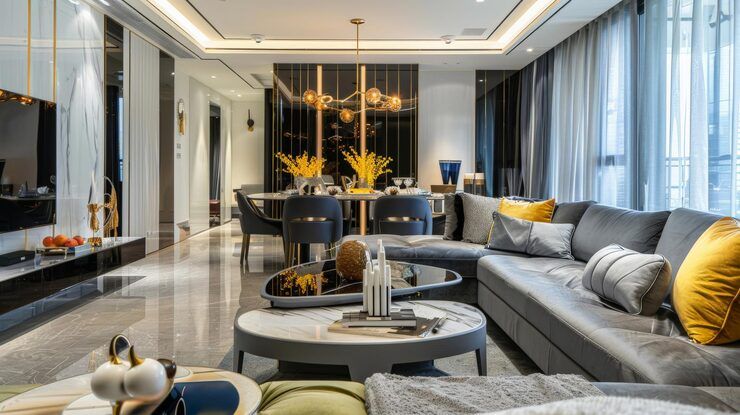
The living room often serves as the central gathering space. Comfortable seating with high-quality upholstery sets the tone. Adding layered lighting, textured rugs, and curated decor pieces enhances the ambiance.
Consider these ideas:
- Use a neutral sofa paired with accent cushions
- Add a statement coffee table with a unique finish
- Incorporate artwork that reflects personal taste
- Include indoor plants for a fresh and lively touch
Bedroom
A luxurious bedroom should feel calm and restful. Soft fabrics, soothing colors, and minimal distractions contribute to better relaxation.
Focus on:
- High-quality bedding with layered textures
- Soft lighting such as bedside lamps
- A simple yet elegant headboard
- Decluttered surfaces for a peaceful environment
Dining Area
The dining space benefits from a refined and inviting setup. A well-designed table setting enhances both daily meals and special occasions.
Key ideas include:
- Elegant tableware and coordinated linens
- A centerpiece such as flowers or candles
- Comfortable seating with cohesive design
- Warm lighting to create a welcoming mood
Bathroom
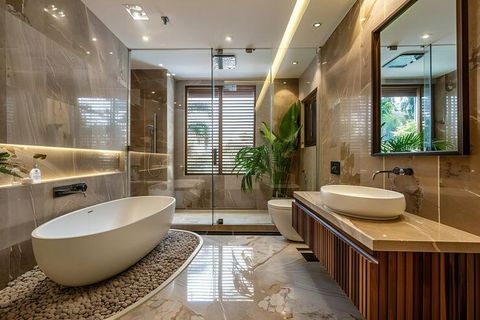
Luxury in bathrooms comes from spa-like features and clean design. Even small upgrades can create a more refined feel.
Suggestions:
- Use neutral tiles with subtle textures
- Add soft towels and coordinated accessories
- Incorporate mirrors to enhance light and space
- Keep the layout simple and uncluttered
Choosing Materials and Finishes
Materials and finishes define the tactile and visual quality of a space. Selecting the right combinations ensures consistency and elegance.
Below is a helpful comparison of common luxury materials and their characteristics:
| Material | Key Features | Ideal Use Areas | Design Impact |
|---|---|---|---|
| Marble | Smooth, natural patterns | Floors, countertops | Timeless and refined |
| Solid Wood | Durable, warm texture | Furniture, flooring | Classic and inviting |
| Velvet | Soft, rich appearance | Upholstery, cushions | Adds depth and comfort |
| Glass | Reflective, light-enhancing | Tables, decor accents | Modern and airy feel |
| Linen | Lightweight, breathable | Curtains, bedding | Soft and relaxed luxury |
Combining these materials thoughtfully creates a layered and cohesive look. Avoid mixing too many contrasting finishes, as this can disrupt visual harmony.
Color Palettes and Styling Techniques
Color plays a crucial role in shaping the mood of a space. A well-planned palette brings consistency and elegance.
Neutral Foundations
Neutral colors provide a versatile base. Shades like cream, taupe, and soft gray allow flexibility in styling. These tones create a calm environment and make spaces feel larger.
Accent Colors
Accent colors add personality without overwhelming the design. Deep tones such as navy, emerald, or burgundy can be introduced through cushions, artwork, or decorative pieces.
Metallic Touches
Subtle metallic accents enhance luxury. Finishes like gold, brass, or chrome add brightness and sophistication. Use them sparingly to avoid an overly flashy appearance.
Layering Colors
Layering involves combining different shades within the same color family. This technique adds depth while maintaining harmony. For example, pairing light gray walls with darker gray furniture creates a cohesive look.
Lighting and Ambience Enhancement
Lighting is one of the most impactful aspects of luxury decor. It influences both functionality and mood.
Types of Lighting
- Ambient lighting provides overall illumination
- Task lighting focuses on specific activities
- Accent lighting highlights decor or architectural features
Combining these types ensures a balanced and versatile lighting setup.
Choosing Fixtures
Elegant fixtures act as both functional and decorative elements. Chandeliers, pendant lights, and wall sconces can serve as focal points. Selecting designs that complement the overall theme enhances cohesion.
Natural Light
Maximizing natural light improves the overall feel of a space. Large windows, light curtains, and reflective surfaces help distribute light evenly. Natural light creates a fresh and open atmosphere.
Practical Tips for Maintaining a Luxurious Look
Creating a luxury interior is only part of the process. Maintaining it ensures the space continues to feel refined over time.
- Keep surfaces clean and clutter-free
- Regularly update small decor items for a fresh look
- Use storage solutions to maintain organization
- Choose durable materials that age well
- Focus on consistency across rooms
Consistency is key. Even small details, such as matching finishes or coordinated colors, contribute to a polished appearance.
Personalization Without Compromise
Luxury decor should reflect individual style while maintaining elegance. Personal touches make a space feel authentic and lived-in.
Incorporate meaningful items such as:
- Travel souvenirs displayed thoughtfully
- Family photographs in cohesive frames
- Books arranged neatly on shelves
- Handmade or artisanal decor pieces
The goal is to balance personal expression with a clean and refined aesthetic. Avoid overcrowding spaces with too many personal items.
Conclusion
Luxury home decor is about creating a space that feels both elegant and comfortable. By focusing on quality materials, thoughtful design, and balanced layouts, any home can achieve a refined look.
From selecting the right color palette to incorporating layered textures and lighting, each element plays a role in shaping the final result. With careful planning and attention to detail, luxury becomes a natural extension of everyday living.
A well-designed home not only looks beautiful but also enhances daily experiences. By applying these ideas and insights, you can create a space that feels timeless, inviting, and uniquely yours.