Mastering Warehouse and Logistics Management for Business Success
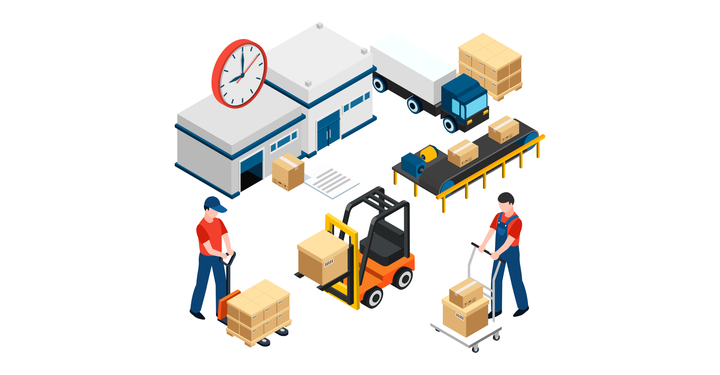
Warehouses play a vital role in modern business operations, supporting the storage, packaging, distribution, and movement of goods across supply chains.
As customer expectations for faster delivery and accurate order fulfillment continue to rise, effective warehousing and logistics management has become more important than ever.
From inventory control and transportation planning to automation and sustainable packaging, modern warehouses serve as strategic hubs that help businesses improve efficiency, reduce costs, and enhance customer satisfaction.
Understanding the Role of Warehouses in Modern Business
Warehouses are far more than simple storage facilities. They function as centralized distribution centers that help businesses manage inventory, process orders, and coordinate shipments efficiently.
Why Warehouses Matter
Modern warehousing supports:
- Inventory storage and organization
- Order fulfillment operations
- Product packaging and shipping
- Supply chain coordination
- Distribution management
- Demand forecasting
Without efficient warehouse operations, businesses may face delays, inventory shortages, excess stock, and reduced customer satisfaction.
Key Warehouse Specialists and Their Responsibilities
Successful warehouse operations rely on skilled professionals working together to maintain accuracy, productivity, and operational efficiency.
Inventory Managers
Inventory managers oversee stock levels and ensure products are available when needed.
Responsibilities
- Stock monitoring
- Inventory forecasting
- Reorder planning
- Demand analysis
Logistics Coordinators
These professionals manage transportation schedules and coordinate the movement of goods.
Responsibilities
- Shipment planning
- Carrier coordination
- Route management
- Delivery scheduling
Forklift and Equipment Operators
Operators safely move goods throughout the warehouse using specialized machinery.
Responsibilities
- Loading and unloading shipments
- Moving inventory
- Organizing storage areas
- Supporting warehouse workflows
Quality Control Specialists
Quality control teams inspect products before distribution.
Responsibilities
- Product inspections
- Damage assessment
- Accuracy verification
- Compliance monitoring
Packaging and Shipping Technicians
These specialists prepare products for safe transportation.
Responsibilities
- Packaging products
- Labeling shipments
- Verifying orders
- Preparing shipping documentation
Emerging Logistics Roles
As technology advances, new career opportunities continue to emerge.
Examples include:
- Warehouse Automation Engineers
- Supply Chain Data Analysts
- Robotics Specialists
- Logistics Technology Managers
These professionals help businesses optimize performance through digital solutions and automation.
How Warehousing and Distribution Processes Work
Efficient warehousing depends on well-organized workflows that guide products from receiving to final delivery.
Receiving Inventory
Products arrive from suppliers and undergo inspection before being entered into inventory systems.
Storage and Organization
Items are categorized and stored based on:
- Product type
- Demand frequency
- Batch numbers
- Storage requirements
Inventory Tracking
Modern warehouses use technologies such as:
- Barcode systems
- RFID tracking
- Inventory management software
- Automated scanning systems
These tools provide real-time visibility across the supply chain.
Order Fulfillment
When customer orders are received:
- Products are located.
- Items are picked from storage.
- Orders are verified.
- Products are packaged.
- Shipments are prepared for delivery.
Distribution and Delivery
Goods are transported using:
- Trucks
- Rail networks
- Cargo ships
- Air freight services
The transportation method depends on factors such as cost, delivery speed, and product requirements.
The Impact of Technology on Modern Logistics
Technology continues to transform warehousing and logistics operations worldwide.
Warehouse Management Systems (WMS)
Warehouse Management Systems help organizations:
- Track inventory
- Monitor stock levels
- Automate workflows
- Improve operational visibility
Robotics and Automation
Automation technologies perform repetitive tasks with greater speed and accuracy.
Common applications include:
- Automated sorting
- Robotic picking systems
- Pallet stacking
- Conveyor operations
Artificial Intelligence
AI solutions help organizations:
- Forecast demand
- Optimize inventory levels
- Improve route planning
- Reduce operational costs
Internet of Things (IoT)
IoT devices provide real-time monitoring of:
- Temperature
- Humidity
- Product conditions
- Equipment performance
These capabilities are particularly important for food, pharmaceutical, and healthcare industries.
Strategies for Lower Costs and Faster Deliveries
Efficient logistics planning directly affects profitability and customer satisfaction.
Strategic Warehouse Locations
Warehouses positioned near transportation hubs can:
- Reduce shipping costs
- Improve delivery speed
- Lower fuel consumption
Cross-Docking Operations
Cross-docking minimizes storage time by transferring incoming goods directly to outbound transportation.
Benefits
- Faster deliveries
- Reduced storage costs
- Lower handling expenses
Third-Party Logistics (3PL) Providers
Many businesses partner with logistics specialists to improve operational flexibility.
Advantages
- Reduced infrastructure investments
- Scalable operations
- Access to logistics expertise
- Improved fulfillment capabilities
Sustainable Packaging and Distribution
Sustainability is becoming a major focus within the logistics industry.
Benefits of Sustainable Packaging
Eco-friendly packaging helps organizations:
- Reduce waste
- Lower transportation costs
- Improve environmental performance
- Enhance brand reputation
Sustainable Packaging Solutions
Popular options include:
- Recyclable materials
- Biodegradable packaging
- Reusable containers
- Lightweight packaging designs
Transportation Efficiency
Businesses are also adopting:
- Electric delivery vehicles
- Fuel-efficient transportation
- Route optimization software
- Renewable energy solutions
These initiatives support environmental goals while improving operational efficiency.
Career Opportunities in Warehousing and Logistics
The logistics industry offers a wide variety of career paths across multiple sectors.
Popular Career Areas
Warehouse Operations
- Warehouse Supervisors
- Operations Managers
- Inventory Specialists
Supply Chain Management
- Supply Chain Analysts
- Procurement Specialists
- Logistics Coordinators
Technology and Automation
- Automation Engineers
- Robotics Technicians
- Data Analysts
Transportation Management
- Freight Coordinators
- Fleet Managers
- Transportation Planners
As global commerce continues to expand, demand for skilled logistics professionals remains strong.
Future Trends in Warehousing and Logistics
The industry continues to evolve through innovation and digital transformation.
Artificial Intelligence Integration
AI will continue improving:
- Inventory forecasting
- Demand planning
- Route optimization
- Operational decision-making
Blockchain Technology
Blockchain may enhance:
- Shipment transparency
- Product authentication
- Supply chain security
Micro-Fulfillment Centers
Smaller urban fulfillment facilities help businesses:
- Reduce delivery times
- Improve local distribution
- Support same-day delivery services
Smart Warehouses
Future warehouses will increasingly rely on:
- Robotics
- Automated storage systems
- Real-time analytics
- Connected technologies
These innovations will improve productivity while reducing operational costs.
Benefits of Effective Warehousing and Logistics
Organizations that invest in modern logistics capabilities can achieve significant advantages.
Key Benefits
- Faster order fulfillment
- Improved inventory accuracy
- Reduced operating expenses
- Better customer satisfaction
- Enhanced supply chain visibility
- Greater scalability
These improvements create a stronger competitive position in increasingly demanding markets.
Quick Overview of Warehouse Functions
| Function | Purpose |
|---|---|
| Inventory Storage | Organize and manage products |
| Order Fulfillment | Process customer orders |
| Packaging | Prepare products for shipment |
| Distribution | Coordinate transportation |
| Inventory Tracking | Monitor stock levels |
| Quality Control | Ensure product accuracy |
| Logistics Planning | Improve efficiency and costs |
Conclusion
Warehousing and logistics serve as the foundation of modern supply chains, enabling businesses to store, manage, package, and distribute products efficiently. As technology continues to reshape the industry, organizations that invest in automation, skilled professionals, and sustainable practices will be better positioned for long-term growth.
By optimizing warehouse operations, embracing innovation, and focusing on customer satisfaction, businesses can transform logistics from a necessary operational function into a powerful driver of profitability, efficiency, and competitive advantage.