Material Handling Equipment Insights for Improving Workplace Efficiency
Efficient movement of materials is a fundamental requirement in manufacturing plants, warehouses, distribution centers, construction sites, and logistics operations.
Every day, businesses transport raw materials, finished products, inventory, and supplies through various stages of production and distribution. The speed, accuracy, and safety of these movements can significantly influence operational performance.

Material handling equipment plays a critical role in supporting these activities. By helping organizations move, store, control, and protect materials, these systems contribute to improved productivity, workplace organization, and operational efficiency.
What really matters is that material handling equipment is not simply about moving items from one location to another. It helps create streamlined workflows, supports workplace safety, reduces manual effort, and enhances resource utilization throughout industrial and commercial environments.
This guide explores the fundamentals of material handling equipment, explains common equipment categories, highlights workplace applications, and examines how these systems contribute to improved operational efficiency.
Understanding Material Handling Equipment
Material handling equipment refers to machines, tools, storage systems, and technologies used to transport, position, store, and manage materials within a facility or operational environment.
These systems support the movement of products and materials throughout various stages of production, storage, and distribution. Depending on operational requirements, equipment may range from simple carts and shelving systems to advanced automated handling technologies.
This matters because efficient material movement helps organizations maintain productivity while minimizing unnecessary delays and operational bottlenecks.
A practical example is a warehouse using lifting and transportation equipment to move inventory between receiving, storage, and shipping areas.
Why Material Handling Is Important
Material movement occurs in nearly every industrial and commercial operation.
Without effective handling systems, organizations may experience delays, inefficient workflows, increased labor demands, and reduced productivity. Material handling equipment helps address these challenges by supporting efficient transportation and storage processes.
The real difference appears when material flow becomes integrated into broader operational improvement strategies.
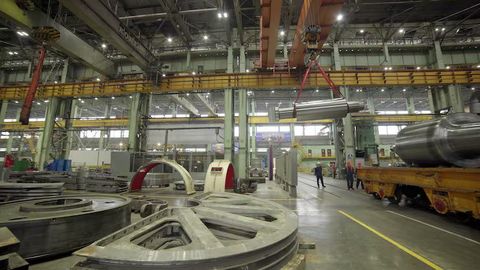
A real-world example is a manufacturing facility implementing advanced handling equipment to streamline production processes and reduce material transfer times.
Main Functions of Material Handling Equipment
Material handling systems are designed to support several key functions.
Transportation
Moving materials between locations within a facility.
Positioning
Placing materials where they are needed for production or storage.
Storage
Organizing inventory and products efficiently.
Protection
Helping safeguard materials during handling and transportation.
These functions contribute to efficient workplace operations and improved resource management.
Categories of Material Handling Equipment
Material handling equipment can be divided into several major categories.
Common categories include:
- Transportation equipment
- Storage systems
- Positioning equipment
- Automated handling technologies
Each category serves specific operational purposes depending on workplace requirements.
Understanding these categories helps organizations select appropriate solutions for their material handling needs.
Transportation Equipment
Transportation equipment is used to move materials throughout facilities.
These systems support the movement of products between production areas, storage locations, and distribution points. Transportation equipment may be manually operated or powered depending on operational demands.
Common examples include:
- Industrial trucks
- Carts
- Conveyors
- Mobile transport systems
These tools help improve efficiency by reducing the effort required to move materials.
A practical example is a distribution center using transportation equipment to transfer products between warehouse zones.
Storage and Warehouse Systems
Storage systems play a major role in material handling operations.
Effective storage solutions help organizations maximize available space while improving inventory accessibility and workflow efficiency. Different storage approaches are used depending on product characteristics and operational objectives.
Common storage systems include:
- Shelving units
- Storage racks
- Pallet systems
- Warehouse organization structures
These systems help maintain orderly work environments and support inventory management activities.
The real difference appears when storage solutions improve both space utilization and operational accessibility.
Conveyors and Continuous Material Movement
Conveyor systems are among the most widely used material handling technologies.
They provide continuous movement of products and materials throughout production and distribution environments. Conveyors can improve efficiency by reducing manual transportation requirements and supporting consistent workflow patterns.
This matters because automated material movement can help organizations maintain operational continuity.
A real-world example is a manufacturing facility using conveyor systems to move products between production stages.
Conveyors are particularly valuable in environments with repetitive transportation requirements.
Lifting and Positioning Equipment
Certain material handling tasks require lifting, positioning, or precise placement of materials.
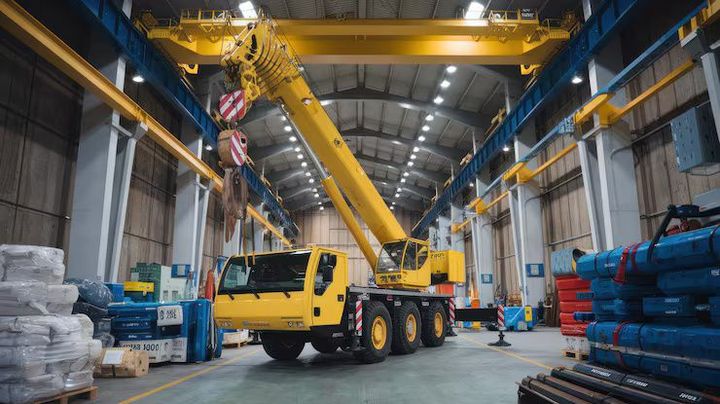
Lifting equipment helps move heavy or bulky items while supporting operational safety and efficiency. Positioning technologies assist with accurate placement during manufacturing, storage, or assembly operations.
Common examples include:
- Hoists
- Cranes
- Lifting devices
- Positioning systems
These solutions support material handling activities that involve elevation changes or precise movement requirements.
Automated Material Handling Technologies
Automation is becoming increasingly important in modern material handling operations.
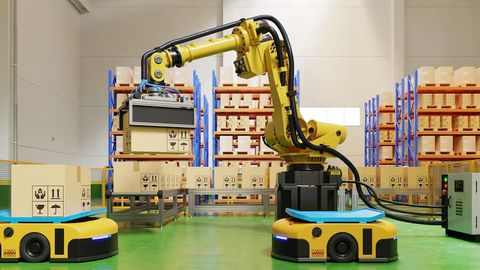
Automated systems use technology to manage transportation, storage, and inventory processes with reduced manual intervention. These solutions often improve consistency, efficiency, and operational visibility.
Examples include:
- Automated storage systems
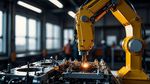
- Robotic handling solutions
- Smart transportation technologies
- Integrated warehouse management systems
These innovations help organizations adapt to growing operational demands.
A practical example is a warehouse utilizing automated storage and retrieval technologies to improve inventory accessibility.
Workplace Safety and Material Handling
Safety remains a critical consideration in material handling environments.
Improper material movement can create risks related to workplace injuries, equipment damage, and operational disruptions. Appropriate equipment selection and operational practices help support safer working conditions.
Important safety considerations include:
- Equipment maintenance
- Operator training
- Load management
- Workplace organization
These practices contribute to safer and more productive work environments.
The real difference appears when safety becomes integrated into everyday handling operations.
Comparing Common Material Handling Equipment
| Equipment Type | Primary Function | Typical Application |
|---|---|---|
| Conveyor System | Continuous Transport | Manufacturing and Warehousing |
| Industrial Truck | Material Movement | Distribution and Logistics |
| Storage Rack | Inventory Organization | Warehousing |
| Hoist System | Lifting Operations | Manufacturing |
| Automated Storage System | Inventory Management | High-Volume Facilities |
Understanding these equipment categories helps organizations evaluate available material handling solutions.
Decision Guide for Equipment Selection
Selecting material handling equipment involves evaluating several operational factors.
Material characteristics often influence equipment requirements because different products require different handling approaches. Facility layout and workflow design also affect equipment selection decisions.
Organizations frequently consider:
- Material size and weight
- Transportation requirements
- Storage needs
- Facility design
- Operational objectives
A practical example is comparing a manufacturing facility with a distribution warehouse. Both require material handling solutions, but equipment priorities may differ significantly.
In many cases, the real difference appears when equipment choices align with workflow and productivity goals.
Benefits of Effective Material Handling Systems
Well-designed material handling systems can provide numerous operational advantages.
Potential benefits include:
- Improved workplace efficiency
- Enhanced productivity
- Better inventory organization
- Reduced manual effort
- Increased operational consistency
These benefits help explain why material handling remains a critical focus within industrial and commercial operations.
Future Trends in Material Handling
Material handling technologies continue evolving through innovation and digital transformation.
Automation, robotics, artificial intelligence, and smart sensors are increasingly influencing material handling strategies. Connected systems provide real-time visibility into inventory movement and operational performance.
Advanced warehouse technologies are improving storage efficiency and transportation accuracy. Data analytics tools are also helping organizations optimize workflows and resource utilization.
Sustainability initiatives are encouraging the development of energy-efficient equipment and environmentally responsible operational practices.
What really matters is how these innovations help organizations improve efficiency, adaptability, and workplace performance.
FAQ
1. What is material handling equipment?
Material handling equipment includes machines, tools, and systems used to move, store, control, and protect materials within operational environments.
2. Why is material handling important?
It supports efficient workflows, improves productivity, enhances workplace organization, and helps reduce unnecessary manual effort.
3. What are the main categories of material handling equipment?
Common categories include transportation equipment, storage systems, lifting equipment, and automated handling technologies.
4. How do conveyor systems improve efficiency?
Conveyors provide continuous material movement, helping reduce manual transportation requirements and support workflow consistency.
5. What role does automation play in material handling?
Automation helps improve efficiency, consistency, inventory management, and operational visibility across handling processes.
Conclusion
Material handling equipment plays a vital role in supporting workplace efficiency across manufacturing, warehousing, logistics, and distribution environments. By enabling effective transportation, storage, positioning, and management of materials, these systems help organizations improve productivity and operational performance.
As automation, robotics, and digital technologies continue transforming industrial operations, material handling systems are becoming more intelligent and interconnected. Understanding the fundamentals of material handling equipment provides valuable insight into how organizations can optimize workflows, improve resource utilization, and support long-term operational success.