Maxillary Implant Guide: Understanding Procedures, Benefits, and Outcomes
A maxillary implant is a type of dental implant placed in the upper jaw, also known as the maxilla.
These implants are used to replace missing teeth and help restore oral function when natural teeth have been lost due to injury, decay, gum disease, or other conditions. A maxillary dental implant is designed to integrate with the jawbone and provide support for crowns, bridges, or full-arch restorations.
Upper jaw dental implants differ from implants placed in the lower jaw because the upper jaw often has less dense bone. This can create additional planning considerations before treatment. As a result, maxillary implant surgery may involve specialized imaging, bone evaluation, and, in some cases, procedures that help improve bone support.
Modern implant dentistry has developed a range of approaches to address different levels of tooth loss. These include single implants, dental implant for upper jaw solutions involving multiple missing teeth, full arch maxillary implants, and advanced options such as zygomatic implants when conventional placement is difficult.
The development of titanium maxillary implants has played an important role in modern restorative dentistry. Titanium is widely used because it can integrate with bone through a process known as osseointegration, creating a stable foundation for replacement teeth.
Importance
Missing teeth in the upper jaw can affect more than appearance. They may influence chewing ability, speech patterns, and overall oral function. For many individuals, tooth loss can also lead to gradual changes in jawbone structure over time.
A maxillary bone implant may help maintain bone stimulation in areas where natural tooth roots are no longer present. When teeth are missing for extended periods, the surrounding bone may gradually shrink, making future restoration more complex.
Several groups of people may be affected by upper jaw tooth loss, including:
- Adults who have experienced tooth decay or gum disease
- Individuals who have suffered facial trauma
- People born with certain dental or facial conditions
- Patients requiring full mouth dental implants due to extensive tooth loss
The importance of careful planning becomes greater when significant bone loss is present. In such cases, maxillary reconstruction implants and other advanced techniques may be considered to support long-term restoration goals.
Recent Updates
Advances in Digital Planning
Recent developments in dental technology have improved the planning process for maxillary implant surgery. Three-dimensional imaging and digital treatment planning allow clinicians to evaluate bone structure with greater precision before implant placement.
Digital workflows can help identify important anatomical structures, such as the maxillary sinus, which is located above the upper teeth. This information supports more accurate treatment planning and implant positioning.
Growth of Guided Implant Procedures
Guided implant placement has become increasingly common. These procedures use customized surgical guides created from digital scans. The guides assist clinicians in positioning implants according to the planned treatment design.
This approach may improve consistency and help support predictable implant placement in suitable cases.
Expanded Use of Advanced Techniques
For individuals with significant upper jaw bone loss, advanced dental implant procedures continue to evolve. Zygomatic implants are one example. Instead of relying solely on the upper jawbone, these implants anchor into the cheekbone area, providing an alternative when conventional implant placement may be difficult.
Focus on Full-Arch Rehabilitation
There has been increasing interest in full arch maxillary implants for patients missing most or all upper teeth. These treatment concepts aim to restore an entire arch using a strategically planned number of implants rather than replacing each tooth individually.
Materials and Surface Technology
Research continues to explore implant surface designs and materials intended to support bone integration. Titanium maxillary implants remain among the most commonly used options, although ongoing studies continue to evaluate alternative materials and surface treatments.
Types of Maxillary Implant Approaches
Single-Tooth Replacement
A single maxillary dental implant can replace one missing tooth. The implant functions as an artificial root that supports a crown designed to resemble a natural tooth.
Multiple-Tooth Replacement
When several teeth are missing, implants may support a bridge rather than placing a separate implant for every tooth.
Full Arch Restorations
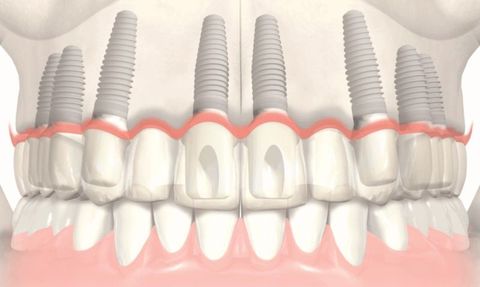
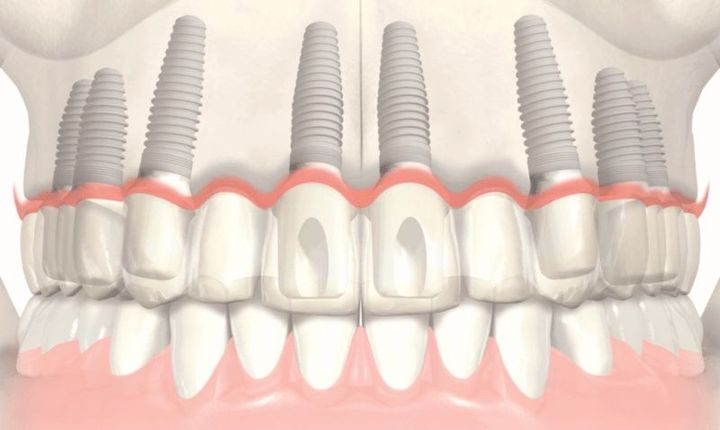
Full arch maxillary implants are used when most or all upper teeth are absent. Multiple implants support a complete upper arch restoration.
Advanced Reconstruction
Maxillary reconstruction implants may be considered in cases involving substantial bone loss, trauma, or previous oral health complications.
Zygomatic Implant Solutions
Zygomatic implants are specialized implants that engage the cheekbone instead of relying entirely on the upper jawbone. They are generally considered in selected situations involving severe bone deficiency.
Comparison of Common Implant Approaches
| Implant Approach | Typical Use | Bone Requirement | Complexity Level |
|---|---|---|---|
| Single Implant | One missing tooth | Moderate | Lower |
| Implant-Supported Bridge | Multiple missing teeth | Moderate | Moderate |
| Full Arch Maxillary Implants | Complete upper arch restoration | Moderate to higher | Moderate to higher |
| Maxillary Reconstruction Implants | Significant bone loss | Variable | Higher |
| Zygomatic Implants | Severe upper jaw bone loss | Reduced upper jaw bone availability | Higher |
Understanding the Procedure
Initial Assessment
The process typically begins with a comprehensive evaluation. Dental professionals may use:
- Clinical examinations
- Dental X-rays
- Cone beam CT scans
- Bite assessments
- Medical history reviews
These assessments help determine whether a dental implant for upper jaw placement is appropriate and identify any factors requiring additional planning.
Treatment Planning
A treatment plan is developed based on the patient's oral condition, bone availability, and restoration goals. In some situations, bone augmentation procedures may be considered before implant placement.
Implant Placement
During maxillary implant surgery, the implant is positioned within the upper jawbone. Healing time varies depending on individual circumstances and treatment complexity.
Osseointegration Phase
Following placement, the implant undergoes osseointegration. During this period, bone gradually integrates with the implant surface, creating stability for the future restoration.
Restoration Placement
Once healing is complete, a crown, bridge, or full-arch prosthesis is attached to the implant system to restore function and appearance.
Laws or Policies
Dental implant treatment is regulated through healthcare and dental regulatory frameworks that vary by country. These regulations generally focus on patient safety, practitioner qualifications, infection control, and the use of approved medical devices.
Common regulatory areas include:
- Licensing requirements for dental professionals
- Standards for implant materials and manufacturing
- Infection prevention and sterilization protocols
- Medical device approval processes
- Patient record and documentation requirements
Titanium maxillary implants and related components are typically subject to medical device regulations before they can be used in clinical settings.
Patients considering treatment are often encouraged to review local healthcare regulations and professional licensing standards relevant to their region.
Tools and Resources
Several tools and resources may help individuals learn about implant procedures and understand treatment planning concepts.
Diagnostic Imaging Platforms
Cone beam computed tomography (CBCT) systems create three-dimensional images of the jaw and surrounding structures, supporting implant planning.
Digital Smile Design Software
Digital planning software allows clinicians to visualize tooth positioning and implant placement before treatment begins.
Oral Health Organizations
Professional dental associations and oral health organizations often publish educational materials covering:
- Tooth replacement options
- Implant procedures
- Oral hygiene guidance
- Recovery information
Treatment Planning Models
Digital models and intraoral scanning technologies help create detailed representations of the mouth, improving communication and treatment planning.
Educational Resources
Many universities, research institutions, and dental education platforms publish articles, videos, and patient information regarding advanced dental implant procedures and full mouth dental implants.
FAQs
What is a maxillary implant?
A maxillary implant is a dental implant placed in the upper jaw to replace one or more missing teeth. It serves as an artificial root that supports a crown, bridge, or other restoration.
How is a maxillary dental implant different from a lower jaw implant?
The upper jaw often has less dense bone than the lower jaw. Because of this difference, treatment planning for a maxillary dental implant may require additional imaging and evaluation of bone availability.
What are full arch maxillary implants?
Full arch maxillary implants are implant-supported restorations used to replace an entire upper set of teeth. Multiple implants provide support for a full-arch prosthesis.
When are zygomatic implants used?
Zygomatic implants may be considered when there is significant upper jaw bone loss and traditional implant placement is challenging. These implants anchor into the cheekbone rather than relying solely on the maxilla.
What are titanium maxillary implants made of?
Titanium maxillary implants are made from medical-grade titanium materials designed for use in dental implant systems. Titanium is commonly used because it can integrate with bone tissue over time.
Conclusion
Maxillary implants are widely used to replace missing teeth in the upper jaw and support long-term oral function. Treatment options range from single-tooth replacement to full arch maxillary implants and advanced reconstruction approaches. Modern imaging, digital planning, and implant technologies have expanded the range of available procedures. Understanding the different implant types, treatment stages, and regulatory considerations can help individuals gain a clearer view of how upper jaw implant restoration is performed.