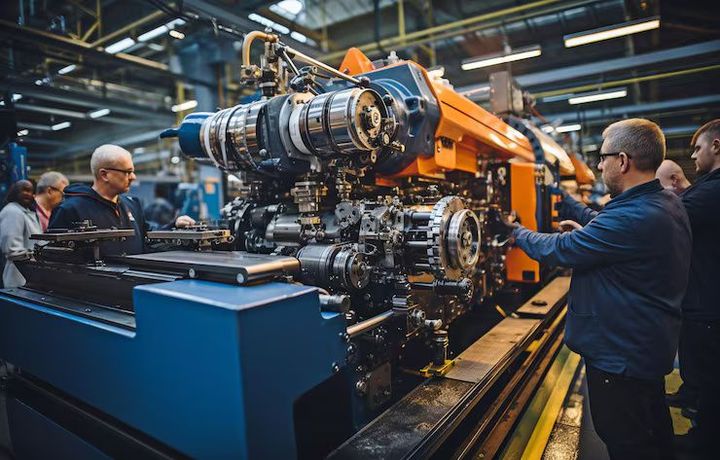
Mechanical Machinery Overview Guide: Industrial Mechanisms
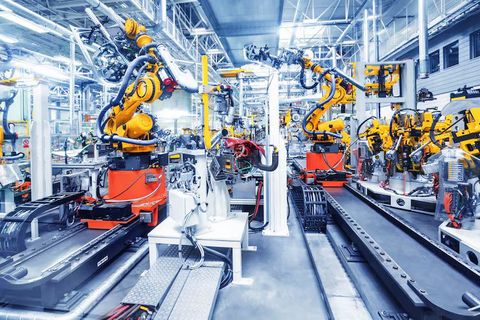
Mechanical machinery refers to engineered systems that use physical components—such as gears, shafts, bearings, belts, and linkages—to transmit motion and force. These machines convert energy into controlled movement to perform defined tasks. From early hand-operated tools to today’s automated production lines, mechanical machinery has evolved to increase efficiency, precision, and repeatability in industrial environments.
Mechanical machinery exists to solve practical problems by extending human capability. Tasks that require high precision, speed, or heavy load handling cannot be achieved consistently through manual effort alone. Machines use industrial mechanisms to transmit motion, balance loads, and maintain stable operation over time.
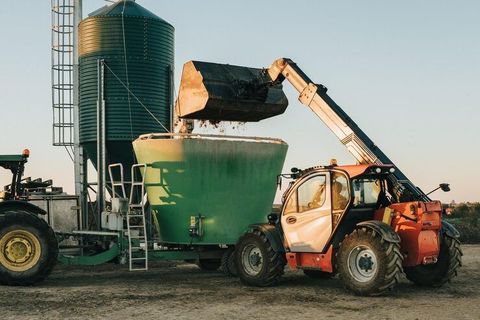
These systems are widely used across manufacturing, energy, construction, transportation, agriculture, and processing industries. Even with digital advancements, the mechanical core remains essential because physical motion and force cannot be replaced by software alone.
Why Mechanical Machinery Matters Today
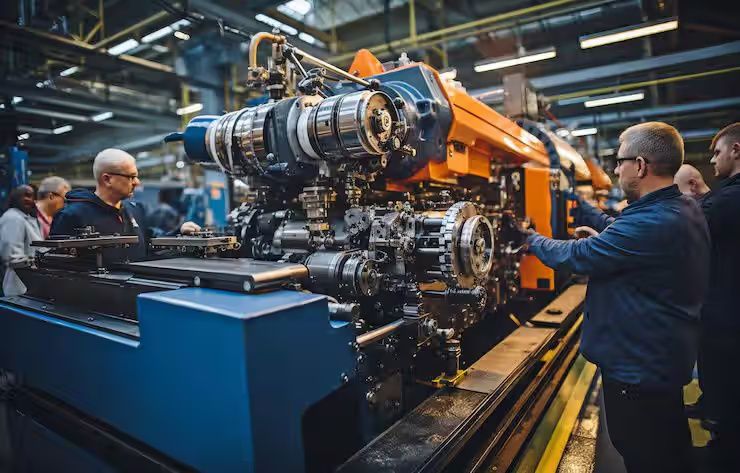
Mechanical machinery continues to play a central role in industrial productivity and reliability. It performs the actual work in automated systems, ensuring materials are shaped, moved, or processed efficiently.
Key Reasons This Topic Matters
- Automation support: Works alongside sensors and control systems
- Precision and repeatability: Maintains tight tolerances in production
- Scalability: Enables high-volume manufacturing
- Safety and ergonomics: Reduces human effort and risk
- Economic impact: Supports infrastructure and industrial growth
Industries such as automotive manufacturing, renewable energy, and heavy engineering rely heavily on mechanical systems for consistent output.
Recent Trends and Developments (2025)
Mechanical machinery has evolved with integration of digital tools, sustainability goals, and reliability improvements. These trends highlight the shift toward smarter industrial systems.
Key Trends Overview
| Trend | Description | Impact |
|---|---|---|
| Predictive maintenance | Monitoring wear patterns using data | Reduces unexpected failures |
| IIoT integration | Sensors tracking vibration, temperature, and load | Improves real-time monitoring |
| Energy-efficient designs | Low-friction components and optimized systems | Reduces energy consumption |
| Modular machinery | Replaceable and upgradeable components | Simplifies maintenance |
| Advanced materials | Use of high-strength alloys and engineered polymers | Enhances durability |
These developments combine mechanical reliability with data-driven insights for improved performance.
Laws and Policies Affecting Mechanical Machinery in India
Mechanical machinery is governed by safety standards, manufacturing policies, and quality frameworks that ensure safe and efficient operation.
Key Regulatory Areas
- ISO standards: Define design, testing, and documentation requirements
- Workplace safety rules: Ensure safe operation and maintenance
- Make in India initiative: Encourages domestic manufacturing
- Environmental guidelines: Promote energy efficiency and resource management
These frameworks influence how machinery is designed, installed, and maintained across industries.
Tools and Resources for Understanding Mechanical Machinery
Various tools and educational resources support learning and analysis of mechanical systems. These tools help improve design accuracy and operational understanding.
Useful Tools and References
- CAD platforms: Visualize mechanical components and assemblies
- Simulation software: Analyze stress, motion, and load distribution
- Condition monitoring dashboards: Track machine health
- Engineering handbooks: Provide standardized technical data
- Online learning resources: Support foundational knowledge
Core Industrial Mechanisms
| Mechanism Type | Primary Function | Common Applications |
|---|---|---|
| Gear systems | Transmit torque and adjust speed | Gearboxes, conveyors |
| Belt and pulley | Transfer motion over distance | Fans, compressors |
| Chain drives | Handle heavy loads | Material handling systems |
| Cam and follower | Convert motion types | Packaging machines |
| Bearings | Reduce friction and support loads | Motors, turbines |
Machinery Lifecycle Overview
| Stage | Key Focus | Typical Considerations |
|---|---|---|
| Design | Function and safety | Load, material, speed |
| Installation | Setup and alignment | Calibration, foundation |
| Operation | Stability | Lubrication, monitoring |
| Maintenance | Reliability | Wear and fatigue |
| Upgrades | Efficiency | Modular improvements |
These tools and frameworks help ensure efficient and reliable machinery operation.
Frequently Asked Questions
What Is the Difference Between a Machine and a Mechanism?
A mechanism controls motion, while a machine combines mechanisms with power to perform work.
Why Are Mechanical Systems Important in Automation?
They perform the physical work, such as motion and force transfer, while automation systems control logic and timing.
What Is Predictive Maintenance?
It uses operational data to detect wear or issues before failures occur, improving reliability.
Are Mechanical Machines Important for Sustainability?
Yes, efficient designs reduce energy loss and material waste, supporting sustainability goals.
What Skills Help in Understanding Mechanical Machinery?
Basic knowledge of physics, materials, and motion, along with practical observation, is essential.
Conclusion
Mechanical machinery remains a foundational element of modern industry. It converts energy into motion, enabling production, infrastructure development, and technological progress.
As industries evolve, mechanical systems continue to integrate with digital technologies, improving efficiency and reliability. Understanding these systems provides insight into their critical role in industrial growth and long-term economic stability.