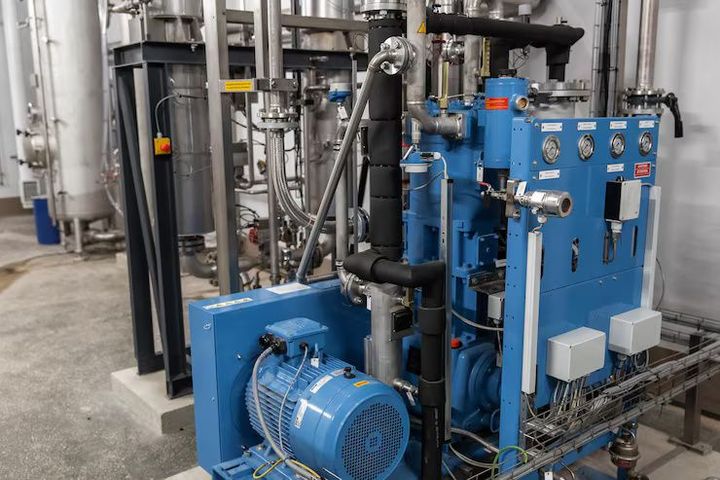
Industrial Vacuum Pump Guide: Types, Uses and Trends
An industrial vacuum pump is a mechanical device designed to remove air, gas, or vapor from a sealed space to create a vacuum environment. The technology has become an essential part of modern manufacturing, processing, packaging, and scientific operations. By reducing pressure within a system, vacuum pumps help industries perform tasks that would otherwise be difficult or impossible under normal atmospheric conditions.
The concept of vacuum technology has existed for centuries, but industrial vacuum pumps have evolved significantly with advancements in engineering and automation. Today, these systems are used across sectors ranging from food processing and pharmaceuticals to electronics manufacturing and chemical production.
The primary purpose of an industrial vacuum pump is to create controlled pressure conditions that improve efficiency, precision, and product quality. Different industries require different vacuum levels, leading to the development of various pump technologies designed for specific applications.
Common Industrial Applications
Industrial vacuum pumps are widely used in:
- Food packaging and preservation
- Pharmaceutical manufacturing
- Chemical processing
- Plastic molding operations
- Electronics and semiconductor production
- Paper and printing industries
- Medical equipment manufacturing
- Metal fabrication processes
- Wastewater treatment facilities
These applications rely on vacuum technology to maintain operational consistency and improve production outcomes.
Why Industrial Vacuum Pumps Matter Today
Industrial vacuum pumps play a critical role in supporting modern industrial infrastructure. As manufacturing processes become more advanced and automated, the demand for reliable vacuum systems continues to grow.
One of the biggest advantages of vacuum technology is its ability to improve operational efficiency. Many production processes require precise pressure control, which vacuum pumps help achieve. This leads to better product quality, reduced contamination risks, and more consistent results.
Key Benefits of Industrial Vacuum Pumps
- Improved manufacturing precision
- Enhanced product quality
- Reduced contamination risks
- Better process control
- Increased operational efficiency
- Lower material waste
- Support for automated production systems
Industries dealing with sensitive materials, such as pharmaceuticals and electronics, particularly benefit from vacuum environments because they help maintain cleanliness and product integrity.
Problems Solved by Vacuum Technology
| Challenge | Vacuum Pump Solution |
|---|---|
| Product contamination | Controlled vacuum environment |
| Packaging spoilage | Air removal from packaging |
| Process inefficiencies | Stable pressure conditions |
| Moisture issues | Effective drying processes |
| Material handling difficulties | Vacuum-based transport systems |
As industries pursue greater efficiency and sustainability, vacuum pumps continue to provide practical solutions for complex manufacturing challenges.
Major Types of Industrial Vacuum Pumps
Industrial vacuum pumps are available in several configurations, each designed for specific operating conditions and requirements.
Rotary Vane Vacuum Pumps
Rotary vane pumps are among the most widely used vacuum technologies. They use rotating vanes inside a chamber to create vacuum pressure.
Advantages include:
- Reliable performance
- Compact design
- Consistent vacuum levels
- Broad industrial applications
Liquid Ring Vacuum Pumps
These pumps use liquid as a sealing medium and are commonly found in chemical and process industries.
Key characteristics include:
- Suitable for wet environments
- Strong durability
- Resistance to contamination
Dry Vacuum Pumps
Dry pumps operate without lubricating oil inside the compression chamber.
Benefits include:
- Reduced contamination risk
- Lower maintenance requirements
- Suitable for clean manufacturing environments
Screw Vacuum Pumps
Screw vacuum pumps use rotating screw mechanisms to compress gases efficiently.
Common uses include:
- Chemical processing
- Semiconductor production
- Pharmaceutical applications
Diaphragm Vacuum Pumps
These pumps use flexible diaphragms to create vacuum pressure.
Typical applications include:
- Laboratories
- Medical equipment
- Analytical instruments
Comparison of Common Vacuum Pump Types
| Pump Type | Maintenance Level | Vacuum Quality | Typical Industry |
| Rotary Vane | Moderate | High | General Manufacturing |
| Liquid Ring | Low | Medium | Chemical Processing |
| Dry Pump | Low | High | Electronics |
| Screw Pump | Moderate | Very High | Pharmaceuticals |
| Diaphragm | Low | Medium | Laboratories |
Recent Updates and Industry Trends
The industrial vacuum pump sector has experienced significant technological advancements over the past year. Developments throughout 2025 and early 2026 have focused on efficiency, digital monitoring, sustainability, and smart manufacturing integration.
Growth of Smart Monitoring Systems
Many modern vacuum systems now include sensors that continuously monitor operating conditions. These systems can provide real-time performance data and predictive maintenance alerts.
Benefits include:
- Reduced downtime
- Improved reliability
- Enhanced operational visibility
- Better maintenance planning
Energy Efficiency Improvements
Energy consumption remains a major focus for industrial facilities. Manufacturers have introduced more energy-efficient vacuum technologies designed to reduce electricity usage while maintaining performance.
Recent innovations include:
- Variable speed drives
- Intelligent control systems
- Optimized motor designs
- Automated load adjustment capabilities
Expansion of Industry 4.0 Integration
The adoption of Industry 4.0 technologies continues to influence vacuum pump development.
Modern systems increasingly support:
- Remote monitoring
- Data analytics
- Automated diagnostics
- Cloud-based performance tracking
Sustainability and Environmental Focus
Throughout 2025, industries placed greater emphasis on reducing environmental impact. This has encouraged the adoption of technologies that minimize waste, reduce energy consumption, and improve overall resource efficiency.
Industry Trend Snapshot
| Trend | Impact on Industry |
| Smart Monitoring | Better maintenance planning |
| Energy Optimization | Reduced power consumption |
| Automation Integration | Improved productivity |
| Predictive Analytics | Lower downtime risks |
| Sustainable Operations | Reduced environmental impact |
These trends indicate that vacuum pump technology is evolving beyond simple mechanical equipment and becoming a key component of intelligent industrial systems.
Laws, Regulations and Compliance Considerations
Industrial vacuum pumps are often subject to regulations related to workplace safety, environmental protection, and equipment performance.
Specific requirements vary by country and industry, but several common regulatory areas influence vacuum system operation.
Workplace Safety Standards
Industrial facilities must ensure vacuum equipment operates safely and does not create hazards for workers.
Safety requirements often address:
- Equipment inspection procedures
- Pressure system management
- Emergency shutdown mechanisms
- Employee training programs
Environmental Regulations
Environmental agencies in many countries regulate industrial emissions and energy consumption.
Vacuum systems may be affected by regulations involving:
- Energy efficiency standards
- Emission controls
- Industrial waste management
- Environmental reporting requirements
Manufacturing Quality Frameworks
Industries such as pharmaceuticals, food processing, and electronics often operate under strict quality management systems.
Vacuum equipment may need to comply with:
- Process validation requirements
- Clean production standards
- Documentation procedures
- Equipment maintenance records
Energy Efficiency Programs
Governments worldwide continue introducing programs that encourage energy-efficient industrial equipment. Modern vacuum technologies often align with these objectives by reducing operational energy demands.
Organizations should regularly review applicable regulations and industry guidelines to ensure ongoing compliance.
Useful Tools and Resources for Learning About Vacuum Technology
A variety of educational and operational resources can help professionals understand vacuum systems and improve equipment performance.
Technical Calculators
Common calculation tools include:
- Vacuum conversion calculators
- Pressure measurement calculators
- Flow rate estimation tools
- Energy consumption estimators
Training Materials
Educational resources may include:
- Industry manuals
- Technical guides
- Engineering handbooks
- Certification programs
Performance Monitoring Tools
Many industrial facilities use:
- Data logging software
- Maintenance scheduling systems
- Equipment monitoring platforms
- Operational analytics dashboards
Planning and Documentation Resources
Useful materials often include:
- Maintenance templates
- Inspection checklists
- Risk assessment forms
- Equipment evaluation worksheets
These resources help operators maintain efficient and reliable vacuum system performance.
Frequently Asked Questions
What is the main purpose of an industrial vacuum pump?
An industrial vacuum pump removes air or gases from a system to create a vacuum environment. This supports manufacturing, processing, packaging, and scientific applications requiring controlled pressure conditions.
Which industries commonly use industrial vacuum pumps?
Industries including food processing, pharmaceuticals, chemicals, electronics, healthcare, paper manufacturing, and plastics production frequently use vacuum pump technology.
Are dry vacuum pumps better than oil-sealed pumps?
The answer depends on the application. Dry pumps reduce contamination risks and require less maintenance in certain environments, while oil-sealed pumps may provide strong performance for other industrial processes.
How often should industrial vacuum pumps be maintained?
Maintenance schedules vary based on operating conditions, pump type, and manufacturer recommendations. Regular inspections and preventive maintenance help ensure optimal performance.
What are the latest innovations in industrial vacuum technology?
Recent innovations include smart monitoring systems, predictive maintenance capabilities, energy-efficient motors, automation integration, and advanced digital control technologies.
Conclusion
Industrial vacuum pumps remain a foundational technology across modern industries. Their ability to create controlled vacuum environments supports manufacturing precision, product quality, process efficiency, and operational reliability. From food packaging and pharmaceuticals to electronics and chemical processing, vacuum systems continue to solve critical industrial challenges.