Medical Supplies Guide: Explore Essential Equipment, Healthcare Products, and Their Everyday Uses
Medical supplies are important components of healthcare, supporting routine examinations, personal care, first aid, patient monitoring, and infection prevention.
Understanding essential equipment and healthcare products helps individuals, caregivers, and healthcare workers recognize their purposes and use them appropriately.
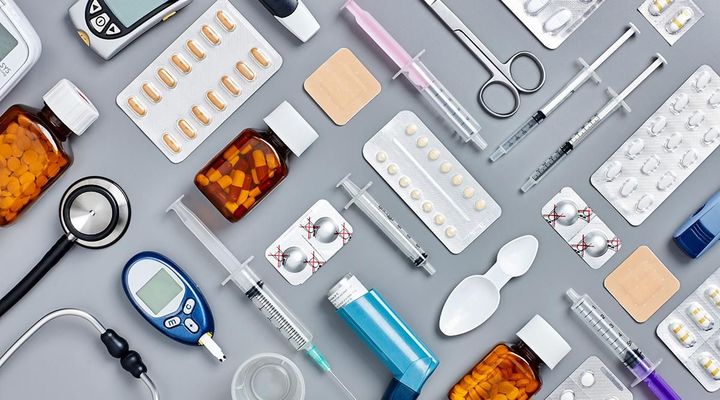
Medical supplies range from simple items such as bandages and disposable gloves to specialized equipment such as blood pressure monitors, oxygen delivery devices, and diagnostic instruments. Their suitability depends on the intended purpose, user training, safety requirements, and the environment in which they are used.
Context – Understanding Medical Supplies
Medical supplies include products, instruments, materials, and equipment used to support healthcare activities. They may be found in hospitals, clinics, laboratories, pharmacies, nursing facilities, workplaces, and homes.
Some supplies are designed for one-time use, while others can be cleaned, disinfected, sterilized, and reused according to their instructions. Medical devices may measure bodily functions, assist with treatment, or support the diagnosis and monitoring of health conditions.
The term medical supplies covers a broad range of products. Their intended purposes and levels of complexity vary considerably.
| Category | Examples | Everyday purpose |
|---|---|---|
| First-aid supplies | Bandages, gauze, adhesive dressings | Covering minor wounds and protecting injured areas |
| Protective equipment | Medical gloves, masks, protective gowns | Reducing exposure to certain hazards |
| Monitoring equipment | Thermometers, blood pressure monitors, pulse oximeters | Measuring selected health indicators |
| Diagnostic equipment | Stethoscopes, examination lights, otoscopes | Supporting clinical examinations |
| Mobility equipment | Walking frames, crutches, wheelchairs | Supporting movement and mobility |
| Hygiene supplies | Hand-cleaning products, disposable wipes | Supporting personal and environmental hygiene |
| Clinical instruments | Surgical instruments, forceps, medical scissors | Supporting specific clinical procedures |
| Home-care equipment | Pill organizers, dressing materials, selected monitoring devices | Supporting routine care at home |
Medical supplies should be distinguished from medicines, although both are important parts of healthcare. Medicines contain substances intended to prevent, treat, or manage health conditions, whereas supplies and equipment may support examination, protection, monitoring, or treatment procedures.
Importance – Why Medical Supplies Matter
Appropriate medical supplies help healthcare professionals perform routine tasks, monitor patients, maintain hygiene, and respond to injuries. In home settings, selected products can help people follow care instructions and monitor certain health measurements.
Different groups rely on different types of equipment. Hospitals may require specialized diagnostic instruments and sterile materials, while households may need basic first-aid supplies and simple monitoring devices.
Medical supplies can support several important activities:
Infection prevention through appropriate protective equipment and hygiene practices.
Patient monitoring through devices that measure temperature, blood pressure, or oxygen saturation.
Wound care through dressings, gauze, and related materials.
Mobility support through walking aids and other assistive equipment.
Emergency preparedness through appropriately maintained first-aid kits.
Correct selection and use are essential. For example, a pulse oximeter estimates oxygen saturation and measures pulse rate, but readings can be affected by factors such as circulation, movement, skin temperature, and device limitations. Results should be interpreted in context rather than treated as a complete assessment of health.
Storage and maintenance also matter. Supplies that are expired, damaged, contaminated, or improperly stored may not perform as intended. Reusable instruments require appropriate cleaning and, where necessary, disinfection or sterilization according to their instructions.
Recent Updates – Developments in Healthcare Equipment
Medical supplies continue to evolve through improvements in digital monitoring, connected devices, material science, and infection-prevention practices.
One important development is the wider use of digital health equipment. Electronic blood pressure monitors, digital thermometers, and connected monitoring systems can record measurements and help users review changes over time. Their usefulness depends on device accuracy, correct technique, and appropriate interpretation.
Another development is the increasing attention given to reusable products and healthcare waste. Some healthcare settings assess whether reusable instruments are appropriate for particular tasks, taking into account cleaning requirements, contamination risks, durability, and environmental considerations.
Single-use products remain important in situations where reuse is not permitted or would introduce unacceptable risks. Reusable equipment must be processed correctly before it is used again.
Other developments include:
Improved designs for mobility aids and ergonomic clinical equipment.
Greater attention to packaging integrity and traceability.
Digital inventory systems for tracking stock levels, expiry dates, and equipment maintenance.
More detailed instructions for device operation, cleaning, and safe disposal.
Increased awareness of cybersecurity and privacy risks associated with connected medical devices.
Not every new technology is suitable for every patient or setting. Equipment selection should reflect clinical needs, applicable standards, available training, and the manufacturer's instructions.
Laws or Policies – Medical Supplies Safety and Regulation
Medical supplies and medical devices are subject to different regulatory requirements around the world. Rules may address product safety, manufacturing quality, labeling, registration, clinical evidence, importation, storage, and distribution.
In the United States, the Food and Drug Administration (FDA) regulates medical devices under applicable federal legislation. Regulatory requirements vary according to the device's classification, intended use, and associated risks. Certain products require premarket review, while others may follow different regulatory pathways.
In the European Union, the Medical Device Regulation (EU) 2017/745 establishes requirements for many medical devices. The regulation addresses areas such as safety, performance, conformity assessment, clinical evaluation, and post-market monitoring.
In India, the Central Drugs Standard Control Organisation (CDSCO) administers relevant provisions of the Drugs and Cosmetics Act and the Medical Devices Rules, 2017. The applicable requirements depend on the product category, classification, and activity involved.
Users should distinguish between regulatory authorization, product certification, and general claims about quality. These terms do not necessarily mean the same thing, and the relevant requirements depend on the jurisdiction.
Practical safety considerations include:
Checking the product label, intended purpose, and applicable instructions.
Reviewing expiry dates and packaging integrity for sterile products.
Following the required cleaning, disinfection, or sterilization procedures.
Using protective equipment according to the task and relevant infection-control guidance.
Disposing of sharps and contaminated materials through appropriate procedures.
Reporting suspected device defects or safety incidents through the applicable channels.
Healthcare workers and organizations should consult current regulatory guidance and their institutional policies before selecting or using specialized equipment.
Tools and Resources – Choosing and Managing Medical Supplies
Reliable information can help individuals and healthcare organizations understand equipment specifications, safe use, maintenance, and regulatory requirements. The most appropriate resource depends on the product and the user's level of training.
Useful resources include official medical-device regulatory publications, manufacturer instructions, recognized infection-control guidance, clinical training materials, and healthcare facility procedures.
A basic equipment assessment can consider the following factors:
| Assessment factor | Questions to consider |
|---|---|
| Intended purpose | What task is the product designed to perform? |
| User requirements | Does the user need training or professional supervision? |
| Safety information | What warnings, limitations, and precautions apply? |
| Maintenance | Does the equipment require calibration, cleaning, or inspection? |
| Storage | Are there specific temperature, humidity, or packaging requirements? |
| Expiry and lifespan | Does the product have an expiry date or recommended replacement interval? |
| Disposal | Are special procedures required for contaminated items or sharps? |
For household preparedness, a basic first-aid kit may include adhesive dressings, sterile gauze, medical tape, disposable gloves, scissors intended for first aid, and written emergency instructions. The contents should reflect household needs and relevant local guidance.
People managing health conditions at home should use monitoring devices according to their instructions and discuss concerning or unexpected readings with an appropriate healthcare professional. Medical equipment should not replace necessary clinical assessment.
FAQs – Medical Supplies Guide
What are the most common medical supplies?
Common examples include bandages, gauze, gloves, masks, thermometers, blood pressure monitors, wound dressings, and selected mobility aids. The appropriate items depend on the setting and intended use.
What is the difference between medical supplies and medical equipment?
Medical supplies often include consumable items such as dressings and gloves. Medical equipment generally refers to devices or instruments used for examination, monitoring, mobility, or treatment. Some products may fall into overlapping categories.
How should medical supplies be stored?
Storage requirements vary by product. Users should follow label instructions, protect supplies from contamination, check expiry dates, and maintain any required environmental conditions.
Can medical supplies be reused?
Some products are designed for repeated use, while others are intended for single use. Reuse should only occur when permitted by the manufacturer and applicable guidance, with appropriate cleaning or sterilization where required.
How can someone check whether medical equipment is appropriate?
Review the intended purpose, instructions, safety warnings, applicable regulatory information, and user requirements. For specialized equipment, seek guidance from a qualified healthcare professional.
Conclusion – Understanding Essential Medical Supplies
Medical supplies support healthcare activities ranging from basic first aid and hygiene to clinical examinations, patient monitoring, and mobility assistance. Understanding their categories, purposes, limitations, and maintenance requirements helps individuals and healthcare organizations manage them more responsibly.
Selecting appropriate equipment requires attention to intended use, product instructions, storage conditions, training, and applicable regulations. Regular inspection and correct handling also help maintain safety and reliability.
As healthcare technology develops, digital monitoring, improved equipment design, and more structured inventory management continue to influence how supplies are used. Reliable information and appropriate professional guidance remain important when evaluating medical products for specific needs.