Metal Forming Machinery Overview: Processes, Equipment, and Uses
Metal forming machinery refers to equipment used to shape metal into specific forms by applying force, pressure, or deformation rather than removing material. These machines exist to transform raw metal into usable components with desired shapes, sizes, and mechanical properties. Unlike cutting or machining, metal forming focuses on reshaping material while maintaining its internal structure.
Historically, metal forming began with simple tools like hammers and anvils. As industrial production expanded, more advanced machines such as presses, rolling mills, and forging equipment were developed. These innovations enabled consistent and large-scale production of metal parts with improved strength and accuracy.
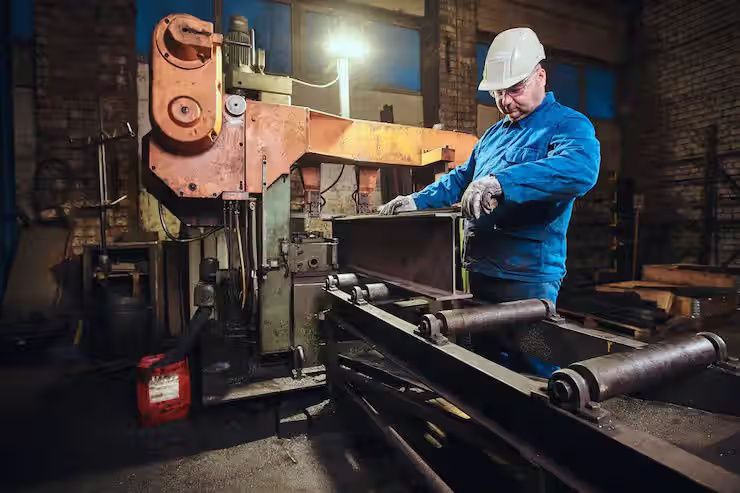
Today, metal forming machinery is widely used in manufacturing environments where precision, durability, and efficiency are essential. It supports the production of both large structural components and small mechanical parts used in various industries.
Importance: Why Metal Forming Machinery Matters Today
Metal forming machinery plays a critical role in modern manufacturing. It allows efficient use of materials while enhancing mechanical properties, making it a preferred alternative to many subtractive processes.
Key Reasons Metal Forming Machinery Is Important
- Efficient shaping of metals with minimal material waste
- Improved strength and toughness of finished components
- High repeatability for mass production
- Compatibility with automation and modern systems
Metal forming supports industries such as automotive, construction, aerospace, and consumer goods. Engineers and production teams rely on it to maintain consistent product quality and performance.
Challenges Addressed by Metal Forming Machinery
- Producing complex shapes at scale
- Maintaining uniform quality across large production batches
- Reducing dependency on extensive machining
As demand grows for lightweight and durable materials, metal forming continues to meet evolving industrial needs.
Overview of Metal Forming Processes
Metal forming processes are classified based on how force is applied and how materials deform. The choice of process depends on material properties, shape requirements, and production volume.
Common Metal Forming Processes
- Rolling: Reducing thickness by passing metal through rotating rolls
- Forging: Shaping metal using compressive forces or impact
- Extrusion: Forcing metal through a die to create continuous shapes
- Drawing: Pulling metal through a die to reduce diameter
- Stamping: Forming or cutting sheet metal using presses
Process Overview Table
| Process | Primary Action | Typical Output |
|---|---|---|
| Rolling | Compression | Sheets, plates |
| Forging | Impact or pressure | Structural parts |
| Extrusion | Pushing through die | Profiles, tubes |
| Drawing | Tensile force | Wires, rods |
| Stamping | Press forming | Sheet components |
Each process uses specialized machinery designed for precise control of force, speed, and output quality.
Recent Updates: Trends and Developments in Metal Forming Machinery
Recent advancements in 2025 have focused on automation, efficiency, and digital integration. These changes reflect broader trends in modern manufacturing systems.
Notable Trends in 2025
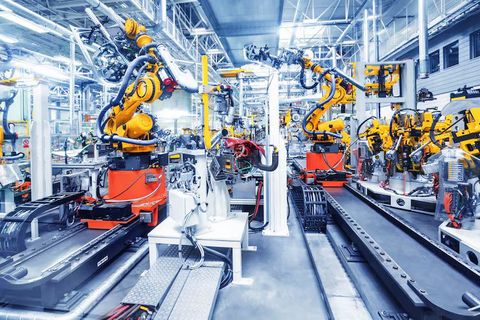
- Increased automation with robotic integration
- Use of sensors for real-time monitoring and analytics
- Adaptation for high-strength and lightweight materials
- Energy-efficient systems to reduce power consumption
Predictive maintenance has also become more common, helping reduce downtime and extend machine life. These developments align with Industry 4.0 and data-driven manufacturing practices.
Laws and Policies: Regulatory Factors Affecting Metal Forming Machinery
Metal forming machinery is subject to regulations focused on safety, quality, and environmental impact. These policies ensure safe operation and consistent production standards.
Key Regulatory Areas
- Machine safety and operator protection requirements
- Noise and vibration exposure limits
- Energy efficiency and emission standards
- Compliance with industrial equipment regulations
Organizations such as ISO and OSHA provide global frameworks for safety and operational standards. National regulations often align with these guidelines to maintain consistency.
Government initiatives also support modernization of manufacturing systems. These programs encourage adoption of safer and more efficient technologies.
Tools and Resources: Helpful References for Metal Forming Knowledge
Various tools and resources support understanding and application of metal forming processes. These resources help professionals plan, operate, and evaluate manufacturing systems effectively.
Common Resource Categories
- Process simulation and analysis software
- Equipment manuals and technical documentation
- Industry standards and reference guides
- Training materials for forming techniques
Resource Overview Table
| Resource Type | Purpose | Typical Use |
|---|---|---|
| Forming Simulators | Predict material behavior | Process planning |
| Technical Manuals | Equipment understanding | Operation reference |
| Standards Documents | Define requirements | Compliance checks |
| Calculation Tools | Estimate force and load | Design support |
Organizations such as ASM International publish guides and handbooks on metal forming. These materials help build both theoretical and practical knowledge.
Visual Overview: Common Types of Metal Forming Machinery
Different machines are used depending on the forming process and production needs. Each type is designed to apply force in a controlled and efficient manner.
Machinery Types Table
| Machine Type | Function | Typical Application |
|---|---|---|
| Mechanical Press | High-speed forming | Sheet metal parts |
| Hydraulic Press | Controlled force | Deep drawing operations |
| Rolling Mill | Thickness reduction | Plates and strips |
| Forging Press | High-force shaping | Structural components |
FAQs: Common Questions About Metal Forming Machinery
What is the main advantage of metal forming over machining?
Metal forming reshapes materials without removing large amounts of metal. This improves efficiency and often enhances material strength.
Can metal forming be used for complex shapes?
Yes, processes like stamping and forging can create complex geometries. Proper tooling and dies are essential for achieving accuracy.
Is metal forming suitable for all metals?
Most metals can be formed, but their properties affect process selection. Factors such as ductility and temperature sensitivity are important.
Does metal forming affect material strength?
Yes, many processes improve strength through grain alignment and work hardening. This enhances the durability of finished components.
How does automation influence metal forming machinery?
Automation improves consistency and reduces manual intervention. It also supports higher production volumes with stable quality.
Conclusion: The Role of Metal Forming Machinery in Manufacturing
Metal forming machinery is essential for shaping metals into functional and reliable components. By applying controlled force, it enables efficient and repeatable production without excessive material loss.
Understanding its processes, importance, trends, and regulations provides valuable insight into modern manufacturing systems. As industries continue to demand precision and efficiency, metal forming remains a fundamental part of industrial development.