Mind-Body Fitness Practices Guide: Learn Balance, Strength, and Inner Wellness
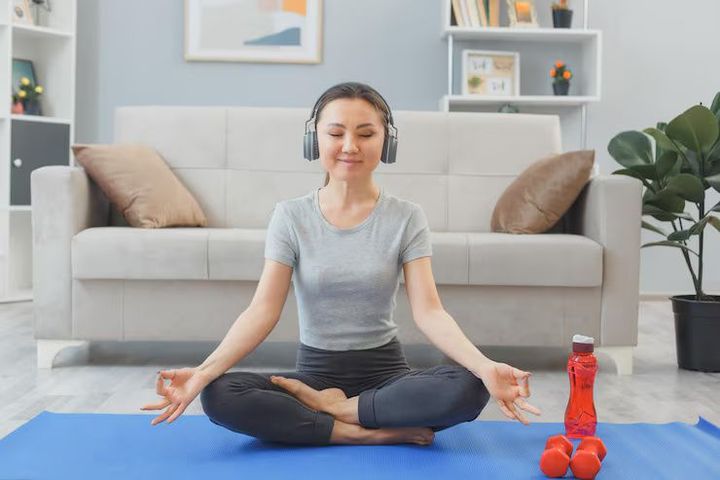
Mind-body fitness practices refer to physical activities that combine movement with mental focus, breathing control, and awareness. These practices aim to strengthen both the body and the mind simultaneously, creating a balanced approach to overall wellness.
Mind-body fitness is based on the connection between physical health and mental well-being. Unlike traditional exercise, which focuses mainly on strength or endurance, this approach integrates emotional balance, stress reduction, and mental clarity.
These practices emphasize controlled movement, posture, and breathing. They promote awareness and internal balance rather than high-intensity performance.
Common Mind-Body Practices
- Yoga
- Pilates
- Tai Chi
- Meditation-based movement
- Breathwork exercises
These methods focus on slow, precise movements and intentional breathing. They are widely used in healthcare, rehabilitation, and wellness programs due to their holistic benefits.
Why Mind-Body Fitness Matters Today
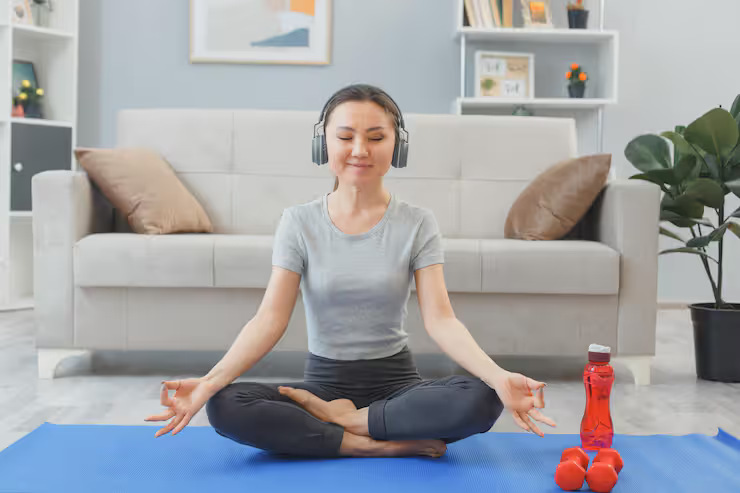
Modern lifestyles often include high stress, long sitting hours, and constant digital exposure. Mind-body fitness helps address these challenges by improving both physical and mental health.
It supports overall well-being by enhancing flexibility, focus, and emotional stability. This makes it relevant for people of all age groups and lifestyles.
Key Benefits
- Improves physical strength and flexibility
- Enhances mental clarity and emotional regulation
- Reduces stress and promotes relaxation
- Improves posture and mobility
Who Can Benefit
- Office workers with sedentary routines
- Students managing academic pressure
- Older adults maintaining balance and mobility
- Athletes focusing on recovery and injury prevention
Problems It Helps Solve
- Chronic stress and anxiety
- Musculoskeletal discomfort
- Poor posture from prolonged screen use
- Mental fatigue and lack of focus
Mind-body practices also contribute to preventive healthcare by improving circulation, breathing efficiency, and sleep quality.
Traditional Fitness vs Mind-Body Fitness
| Aspect | Traditional Fitness | Mind-Body Fitness |
|---|---|---|
| Focus | Physical performance | Physical + mental balance |
| Intensity | Often high | Moderate to low |
| Breathing | Less emphasized | Core component |
| Stress Reduction | Secondary benefit | Primary benefit |
| Awareness | Limited | High |
This comparison highlights how mind-body fitness offers a more balanced and accessible approach.
Recent Trends and Developments
In 2025, mind-body fitness has evolved with the integration of technology and personalized wellness solutions. Digital tools are making these practices more accessible and measurable.
Wearable devices and mobile applications now help track breathing patterns, heart rate, and relaxation levels. This allows users to monitor progress and improve consistency.
Key Trends
- Increased use of wearable fitness devices
- Growth of virtual yoga and meditation platforms
- AI-powered wellness apps for personalized routines
- Hybrid programs combining strength training with mindfulness
Healthcare research in 2025 has shown improved mental resilience among individuals practicing yoga and meditation regularly. This has strengthened the role of mind-body fitness in stress management.
Workplace wellness programs are also adopting these practices. Short mindfulness sessions during work hours are being used to improve productivity and reduce burnout.
Regulations and Policy Influence
Mind-body fitness is guided by general health and wellness regulations rather than strict industry laws. Governments and organizations promote these practices as part of public health initiatives.
In India, the Ministry of AYUSH actively supports traditional wellness practices like yoga. Events such as International Yoga Day encourage global participation.
Key Policy Influences
- Public health campaigns promoting wellness
- Safety guidelines for exercise programs
- Workplace recommendations for stress management
- Certification standards for instructors
Fitness centers are required to follow safety standards related to equipment, hygiene, and instructor qualifications. While these practices are generally safe, proper guidance is important to prevent injury.
Tools and Resources for Mind-Body Fitness
Various tools and digital resources help individuals adopt and maintain mind-body fitness routines. These tools improve accessibility and support consistent practice.
They also help users track progress and maintain proper technique.
Common Tools
- Mobile apps for guided meditation and yoga
- Wearable fitness trackers
- Online video platforms for structured sessions
- Posture correction tools
- Breathing exercise timers
Tool Functions
| Tool Type | Purpose |
|---|---|
| Meditation Apps | Guided relaxation and focus training |
| Fitness Trackers | Monitor activity and heart rate |
| Posture Correction Apps | Improve alignment and ergonomics |
| Breathing Tools | Regulate inhalation and exhalation |
How to Get Started
- Choose a practice such as yoga or Pilates
- Start with short sessions (10–20 minutes)
- Focus on breathing and posture
- Gradually increase duration and difficulty
- Track progress using digital tools
Consistency is essential for achieving long-term benefits.
Frequently Asked Questions
What is mind-body fitness?
Mind-body fitness combines physical movement with mental focus and controlled breathing. It aims to improve overall physical and emotional well-being.
Is it suitable for beginners?
Yes, most practices are beginner-friendly. Simple movements and guided sessions make it easy to start.
How often should one practice?
Practicing 3–5 times per week is generally recommended for noticeable results.
Can it reduce stress?
Yes, these practices focus on relaxation and mindfulness, which help manage stress and improve mental clarity.
Is special equipment required?
Most exercises require minimal equipment, such as a mat or comfortable clothing.
Additional Insights and Practical Guidance
Mind-body fitness prioritizes quality over intensity. Movements are slow and controlled, allowing better focus on alignment and breathing.
This approach helps improve awareness and reduces the risk of injury.
Key Elements
- Controlled breathing techniques
- Core muscle engagement
- Body awareness and posture
- Gradual progression
Sample Weekly Routine
| Day | Activity Type |
|---|---|
| Monday | Yoga (Flexibility) |
| Wednesday | Pilates (Core Strength) |
| Friday | Meditation (Relaxation) |
| Sunday | Light Stretching |
Combining different practices ensures a balanced routine that supports both physical and mental health.
Conclusion
Mind-body fitness offers a holistic approach by combining movement, breathing, and mental awareness. It helps individuals manage stress, improve posture, and enhance overall well-being.
With advancements in technology and growing awareness, these practices are becoming more accessible. Government initiatives and workplace programs are also supporting their adoption.
By using digital tools and maintaining a consistent routine, individuals can achieve long-term health benefits. Mind-body fitness continues to play a vital role in modern wellness strategies.