Mining machines are powerful and specialized equipment used to extract minerals, metals, and other geological materials from the earth. These machines form the backbone of the mining industry, enabling efficient and large-scale extraction of resources that support construction, manufacturing, and energy production worldwide.
The concept of mechanized mining dates back to the Industrial Revolution, when early drilling and excavation tools replaced manual labor. Over time, advances in engineering, hydraulics, and automation led to the development of highly efficient machines capable of operating in challenging terrains. Today, modern mining machines are used across different sectors—coal, gold, iron ore, copper, and rare earth elements—each requiring specific tools and techniques.
From open-pit excavators to underground drilling rigs, these machines integrate cutting-edge technologies like artificial intelligence (AI), machine learning, and real-time monitoring systems to enhance productivity and reduce operational risks.
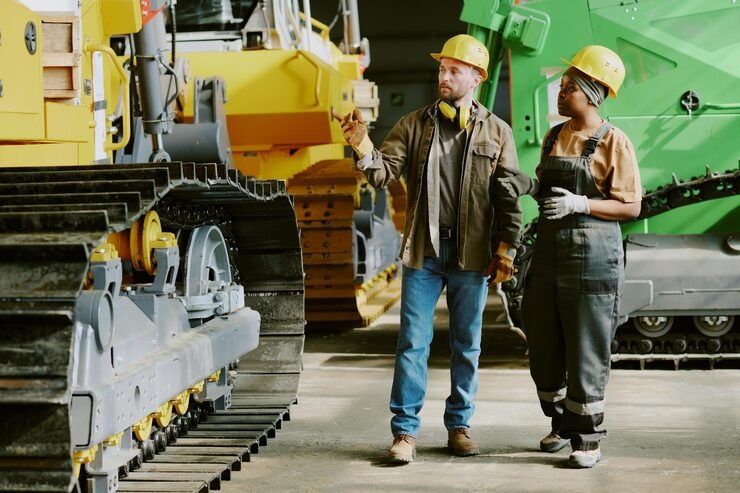
Importance
The role of mining machines extends far beyond simple extraction. They drive industrial growth, support energy generation, and contribute significantly to technological advancements in automation and safety.
1. Efficiency and Productivity
Modern mining equipment enhances output through automation, real-time data collection, and predictive maintenance. These improvements help reduce downtime and optimize energy usage.
2. Worker Safety and Health
With remote-controlled and autonomous machines, the exposure of miners to hazardous environments is minimized. Advanced sensors detect gas leaks, structural weaknesses, and temperature changes, ensuring safer operations.
3. Environmental Impact Reduction
Modern designs emphasize energy-efficient motors, dust suppression systems, and precision extraction methods that reduce environmental degradation. Many companies now use electric or hybrid-powered machinery to cut emissions.
4. Economic Growth
Mining machinery supports large-scale mineral production, which in turn fuels industries like steelmaking, construction, and renewable energy. Nations rich in mineral deposits depend heavily on efficient mining equipment for export revenue.
5. Sustainability and Resource Optimization
New technologies allow companies to recycle materials and manage resources more responsibly. Real-time tracking systems monitor environmental footprints, aligning with global sustainability goals.
Recent Updates
Between 2024 and 2025, the mining machinery sector has experienced significant transformation through digitalization, electrification, and autonomous systems.
| Trend (2024–2025) | Description |
|---|---|
| Automation and AI Integration | Machines now feature predictive analytics and AI-driven process control to optimize performance and reduce manual intervention. |
| Electric and Hybrid Mining Equipment | Manufacturers are replacing diesel engines with battery-electric systems to reduce carbon emissions and improve efficiency. |
| Real-Time Data Monitoring (IoT) | Internet of Things (IoT) systems enable real-time health tracking, minimizing machine downtime. |
| Sustainable Material Use | Machines are increasingly made with recyclable components and sustainable alloys. |
| Remote Operations | Control centers now allow operators to manage equipment from safe, distant locations. |
In 2025, companies such as Caterpillar, Komatsu, and Sandvik introduced autonomous haulage systems capable of operating without direct human input. According to Global Mining Review (2025), the smart mining equipment market is projected to grow at a compound annual rate of 14% through 2030, driven by demand for automation and sustainability.
Laws or Policies
Mining operations and equipment usage are governed by strict laws and regulations focusing on safety, environmental management, and energy efficiency.
1. Safety Regulations
In the United States, the Mine Safety and Health Administration (MSHA) enforces rules ensuring all mining equipment meets health and safety standards. Similar frameworks exist globally, such as the EU Mine Safety Directive and Australia’s Work Health and Safety (WHS) regulations.
2. Environmental Standards
Mining machinery must comply with emission standards under the U.S. Environmental Protection Agency (EPA) Tier 4 regulations and the European Union’s Stage V standards. These govern fuel efficiency and limit greenhouse gas emissions.
3. Energy Efficiency Policies
Several countries offer incentives for using electric or hybrid machinery. Programs like Canada’s Clean Growth Program encourage investment in sustainable mining technologies.
4. Data Protection and AI Ethics
With increasing automation, data collected through IoT systems must comply with data protection laws such as GDPR to ensure privacy and security.
5. Worker Training and Certification
Governments mandate certified operator training programs to ensure that mining equipment is handled safely and effectively.
Tools and Resources
Modern mining operations benefit from advanced digital platforms and management tools that simplify data analysis, monitoring, and equipment maintenance.
| Tool / Platform | Functionality |
|---|---|
| Hexagon Mining | Provides integrated mine planning, fleet management, and safety solutions. |
| Komtrax (Komatsu) | Offers telematics for remote equipment tracking and performance analytics. |
| Caterpillar MineStar Edge | AI-driven system for fleet coordination, safety, and productivity optimization. |
| Sandvik OptiMine | Enables real-time tracking of personnel and equipment in underground mines. |
| ABB Ability™ MineOptimize | Supports energy efficiency and digital automation in mining operations. |
Additionally, industry reports and government databases, such as the U.S. Geological Survey (USGS) and the International Council on Mining and Metals (ICMM), provide valuable data and research on mining trends and compliance standards.
FAQs
Q: What are the main types of mining machines?
A: The most common types include excavators, draglines, drilling rigs, crushers, loaders, and conveyors. Each plays a distinct role depending on the type of mining—open-pit or underground.
Q: How do autonomous mining machines work?
A: They use GPS, LiDAR, and AI algorithms to navigate and perform tasks with minimal human input. Operators can monitor them remotely using real-time dashboards.
Q: Are electric mining machines as powerful as diesel ones?
A: Yes. Advances in battery technology and power electronics now enable electric machines to match or exceed diesel performance while offering reduced maintenance and emissions.
Q: How is sustainability addressed in modern mining machinery?
A: Manufacturers are using recyclable materials, renewable energy sources, and smart control systems to minimize environmental impact and promote resource efficiency.
Q: What are the future trends in mining technology?
A: Expect continued growth in AI-driven analytics, electric machinery, drone-assisted surveying, and digital twins for equipment performance simulation.
Conclusion
Mining machines represent the intersection of innovation, engineering, and sustainability in one of the world’s most vital industries. From early mechanical drills to AI-enabled autonomous equipment, the evolution of mining technology reflects humanity’s ongoing pursuit of efficiency and safety.
As global demand for minerals increases—driven by renewable energy technologies and electric vehicles—the role of modern mining machinery becomes even more critical. Ongoing investments in automation, energy efficiency, and environmental responsibility ensure that mining continues to advance in a sustainable and technologically sound direction.