Modular Living Room Sets: A Complete Guide to Choosing Stylish and Functional Designs
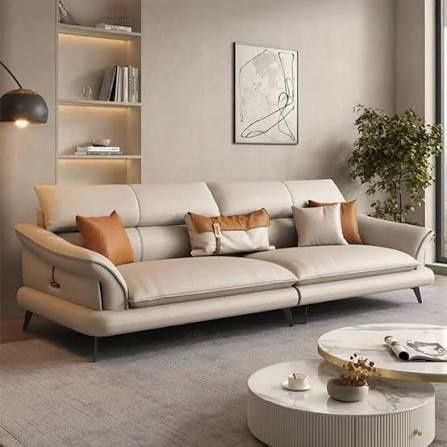
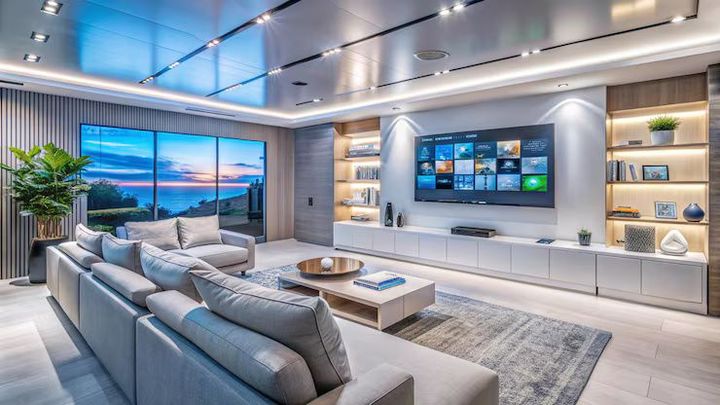
Modular living room sets are furniture systems designed with separate, movable pieces that can be arranged in multiple configurations. Instead of a single fixed sofa or furniture layout, modular furniture allows individual components—such as sectional seating units, ottomans, chaise lounges, and storage modules—to be combined in flexible ways.
Modular living room sets have emerged as a response to changing housing trends and evolving interior design needs. As urban homes become smaller and layouts more varied, traditional furniture often struggles to fit efficiently. Modular systems provide a flexible solution that adapts to different spaces and lifestyles.
Living rooms today serve multiple purposes, including relaxation, entertainment, work, and social gatherings. Modular furniture allows users to rearrange seating layouts based on specific activities. This adaptability makes it a practical choice for modern households.
Common Components of Modular Living Room Sets
Modular furniture is made up of individual pieces that can be combined in different ways. These components allow users to create customized seating arrangements.
- Corner units that connect sections
- Armless chairs or center seats
- Chaise lounges for extended seating
- Ottoman modules for seating or tables
- Storage-integrated furniture pieces
Because each module is movable, users can easily change layouts without replacing furniture entirely.
Why Modular Living Room Sets Matter in Modern Homes
Modern homes prioritize flexibility and efficient space usage. Modular living room sets address these needs by offering adaptable and scalable furniture solutions.
They are particularly useful in urban environments where living spaces are limited. Homeowners can adjust layouts as needed without compromising comfort or style.
Key Advantages of Modular Furniture
- Adapts to different room layouts
- Maximizes limited floor space
- Allows expansion or reconfiguration
- Improves seating capacity
- Matches modern interior design styles
These benefits make modular furniture suitable for both small apartments and larger homes.
Modular vs Traditional Furniture
| Feature | Modular Living Room Sets | Traditional Living Room Furniture |
|---|---|---|
| Layout Flexibility | High | Limited |
| Expandability | Adjustable modules | Fixed size |
| Space Adaptability | Suitable for small or irregular spaces | Designed for fixed layouts |
| Design Customization | Multiple configurations | Single arrangement |
This comparison highlights why modular furniture is increasingly preferred in modern interior design.
Recent Trends and Developments in Modular Living Room Furniture
Interior design trends continue to shape the evolution of modular furniture. In 2024 and 2025, there has been a strong focus on multifunctional and adaptable living spaces.
Manufacturers are integrating new technologies and materials to enhance usability and sustainability. These innovations reflect changing lifestyles, including remote work and hybrid living environments.
Key Trends in 2025
- Smart modular furniture with charging ports and lighting
- Eco-friendly materials like recycled wood and sustainable fabrics
- Compact designs for urban apartments
- Curved and soft-edged seating styles
- Hybrid layouts supporting multiple room functions
These trends show how modular furniture continues to evolve alongside modern living demands.
Trend Popularity Overview
| Design Trend | Popularity Level |
|---|---|
| Modular seating systems | High |
| Smart furniture integration | Increasing |
| Sustainable materials | High |
| Compact apartment layouts | High |
| Minimalist modular design | Moderate |
Regulations and Policies Affecting Furniture Manufacturing
Furniture manufacturing is influenced by various safety and environmental regulations. These rules ensure that products are safe, durable, and environmentally responsible.
Different countries have specific standards, but most regulations focus on consumer safety and material compliance.
Common Regulatory Areas
- Fire safety standards for upholstered furniture
- Chemical safety regulations for foam and fabrics
- Formaldehyde emission limits in engineered wood
- Durability and structural stability requirements
Environmental policies also encourage sustainable production practices. Manufacturers often follow certification programs and labeling guidelines to ensure transparency.
Useful Tools and Resources for Planning Modular Living Room Layouts
Planning a modular living room requires careful consideration of space, layout, and functionality. Digital tools help users visualize arrangements before implementation.
These tools are useful for both homeowners and interior designers. They allow experimentation with layouts, colors, and furniture placement.
Helpful Planning Tools
- Room layout planning software
- Interior design visualization apps
- 3D floor planning tools
- Furniture dimension calculators
- Virtual configuration platforms
Key Design Considerations
- Room size and wall placement
- Walking paths and open space
- Seating capacity requirements
- Natural light and window positioning
- Entertainment system placement
Example Layout Guide
| Room Size | Recommended Modular Layout |
|---|---|
| Small apartment | L-shaped modular sofa |
| Medium living room | U-shaped sectional |
| Large living space | Multi-section seating with ottoman modules |
These tools and guidelines help create efficient and visually appealing living room layouts.
Frequently Asked Questions
What is a modular living room set?
A modular living room set is a collection of separate furniture pieces that can be arranged in multiple configurations. It allows flexibility in seating layouts and room design.
Why are modular sofas popular in modern homes?
They are popular because they adapt easily to different spaces and activities. Their flexibility makes them ideal for modern, multifunctional living areas.
Can modular furniture work in small apartments?
Yes, modular furniture is especially useful in small apartments. It maximizes space by allowing users to rearrange layouts efficiently.
What materials are commonly used in modular furniture?
Common materials include engineered wood, high-density foam, fabric upholstery, leather alternatives, and metal supports. These materials ensure durability and comfort.
How do modular seating layouts improve functionality?
They allow homeowners to adjust seating arrangements for different activities. This improves usability and enhances the overall living experience.
Conclusion
Modular living room sets represent a modern approach to furniture design focused on flexibility and functionality. They allow homeowners to adapt their spaces to changing needs without replacing entire furniture systems.
The rise of compact housing, hybrid lifestyles, and personalized interiors has increased their popularity. Innovations such as smart features and sustainable materials continue to shape their development.
With proper planning and the right tools, modular furniture can significantly improve both the usability and aesthetics of living spaces.