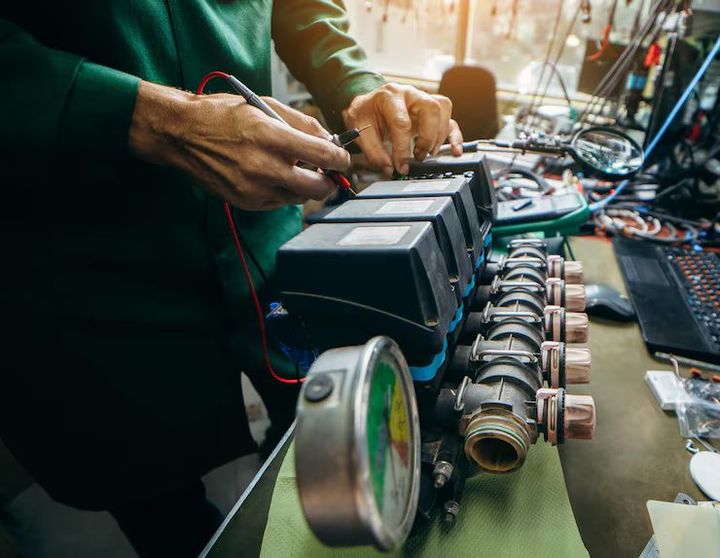
Motor Testing Machines Overview: Understanding Their Role in Performance Evaluation
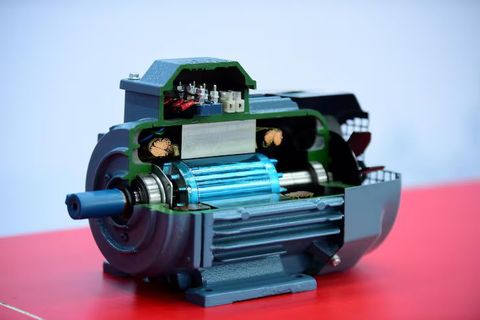
Electric motors power a wide range of systems, from industrial manufacturing equipment to household appliances and electric vehicles. Because these machines operate in demanding environments, their reliability and efficiency must be carefully measured. Motor testing machines are specialized systems designed to evaluate the performance, safety, and operational stability of electric motors.
A motor testing machine measures key performance parameters such as torque, speed, vibration, electrical input, and thermal behavior. Engineers and technicians use this equipment in research, product development, quality control, and maintenance diagnostics.
By analyzing these measurements, organizations can determine whether a motor meets design specifications and industry standards.
Core Components of Motor Testing Systems
Motor testing machines consist of several integrated components that simulate real operating conditions and collect data. These systems are designed to provide accurate and repeatable results.
- Dynamometers for applying load and measuring output
- Power analyzers for electrical input measurement
- Load controllers for simulating operating conditions
- Sensors for temperature, vibration, and speed
- Computerized monitoring software for data analysis
These components work together to evaluate motor performance under controlled conditions.
Importance in Critical Applications
Motor testing is especially important in industries where reliability is essential. Applications such as industrial automation, renewable energy, and transportation systems depend on consistent motor performance.
Accurate testing ensures motors meet safety, efficiency, and durability requirements before deployment.
Why Motor Testing Machines Matter in Modern Industry
Electric motors consume a significant portion of global electricity, especially in industrial environments. Improving motor efficiency has become a major focus for both manufacturers and policymakers.
Key Benefits of Motor Testing
- Evaluates motor efficiency under various loads
- Detects mechanical faults and performance losses
- Supports predictive maintenance strategies
- Ensures compliance with energy efficiency standards
- Improves product reliability and safety
These benefits help reduce operational risks and enhance overall system performance.
Identifying Performance Issues
Motor testing helps detect issues such as:
- Excessive vibration
- Overheating
- Insulation failure
- Rotor imbalance
Early detection of these problems can prevent equipment failure and extend motor lifespan.
Role in Emerging Technologies
Motor testing systems support innovation in areas such as electric mobility. High-performance motors used in electric vehicles require precise testing to ensure efficiency and reliability.
Testing ensures these motors meet performance standards before being integrated into real-world systems.
Industry Applications of Motor Testing
| Industry Sector | Application of Motor Testing |
|---|---|
| Manufacturing | Industrial automation and drive systems |
| Automotive | Electric vehicle motors and drivetrains |
| Energy | Wind turbines and generator systems |
| HVAC | Fans, compressors, and pump motors |
| Robotics | Precision motor control systems |
Motor testing plays a vital role across multiple industries that rely on electric motors.
Recent Trends and Developments in Motor Testing Technology
Motor testing technology has evolved rapidly with advancements in digital systems and automation. Trends in 2024 and early 2025 reflect increased focus on data accuracy and efficiency.
Digital Monitoring and Data Analytics
Modern testing machines include advanced software that collects and analyzes high-resolution data. Engineers can evaluate torque curves, harmonics, and efficiency in real time.
This improves decision-making and speeds up testing processes.
Growth of Electric Mobility Testing
The rise of electric vehicles has driven demand for specialized motor testing systems. High-speed and high-power motors require advanced testing platforms to ensure optimal performance.
Automation and Smart Testing Systems
- Automated test benches for consistent testing
- AI-based fault detection algorithms
- IoT-enabled performance monitoring
- High-speed dynamometers for advanced testing
These technologies reduce manual intervention and improve testing accuracy.
Focus on Sustainability
Energy efficiency regulations are encouraging the development of high-performance motors. Testing machines provide the precision needed to verify compliance with efficiency standards.
Regulations and Standards That Influence Motor Testing
Motor testing is governed by international standards and energy regulations. These ensure consistency and accuracy across testing environments.
International Standards
The International Electrotechnical Commission (IEC) publishes guidelines for motor testing. Standards such as IEC 60034 define testing methods and efficiency classifications.
Efficiency classes like IE2, IE3, and IE4 represent increasing levels of energy performance.
Regional Regulations
- United States: Energy efficiency standards set by regulatory agencies
- India: Bureau of Energy Efficiency promotes efficient motor usage
- Global markets: Similar frameworks encouraging energy conservation
These regulations support the adoption of energy-efficient technologies.
Key Regulatory Objectives
- Improve industrial energy efficiency
- Standardize testing procedures
- Reduce electricity consumption
- Encourage advanced motor design
Motor testing machines help verify compliance with these objectives.
Tools and Resources Used in Motor Testing
Engineers use a variety of tools and software to analyze motor performance. These tools support data collection, visualization, and interpretation.
Common Testing Equipment
- Dynamometers for torque measurement
- Power analyzers for electrical performance
- Thermal sensors for heat monitoring
- Vibration analysis tools for mechanical stability
- Speed and torque sensors for rotational analysis
Software and Digital Tools
- Motor efficiency calculation software
- Industrial monitoring dashboards
- Electrical waveform analysis programs
- Engineering simulation platforms
- Data logging and reporting systems
These tools enhance the accuracy and efficiency of motor testing processes.
Example Motor Efficiency Testing Data
Sample Motor Performance Data
| Test Parameter | Example Measurement |
|---|---|
| Input Power | 10 kW |
| Output Power | 9.2 kW |
| Efficiency | 92% |
| Speed | 1450 RPM |
| Torque | 60 Nm |
This type of data helps engineers evaluate whether a motor meets efficiency targets.
Efficiency Across Load Levels
| Load Level | Efficiency |
|---|---|
| 25% Load | 80% |
| 50% Load | 88% |
| 75% Load | 91% |
| 100% Load | 92% |
These trends show how motor efficiency varies under different operating conditions.
Frequently Asked Questions About Motor Testing Machines
What is the main purpose of a motor testing machine?
It evaluates motor performance, efficiency, and reliability by measuring electrical and mechanical parameters.
What parameters are measured during testing?
Common parameters include torque, speed, power input/output, vibration, temperature, and efficiency.
Why is efficiency testing important?
It helps reduce energy consumption and ensures compliance with industry standards.
How do dynamometers work?
Dynamometers apply controlled load to a motor and measure torque and speed. This allows calculation of output power and efficiency.
Which industries use motor testing equipment?
Industries such as manufacturing, automotive, renewable energy, robotics, and HVAC rely heavily on motor testing systems.
Conclusion
Motor testing machines are essential tools for evaluating the performance and reliability of electric motors. By measuring key parameters, they help engineers understand how motors behave under different conditions.
Advancements in automation, data analytics, and digital monitoring have improved the accuracy and efficiency of modern testing systems. These innovations support better decision-making and faster development cycles.
Regulatory standards and energy efficiency requirements further highlight the importance of testing. They ensure motors meet global performance and sustainability targets.
As industries continue to evolve, motor testing machines will remain critical for ensuring reliable, efficient, and high-performing motor systems.