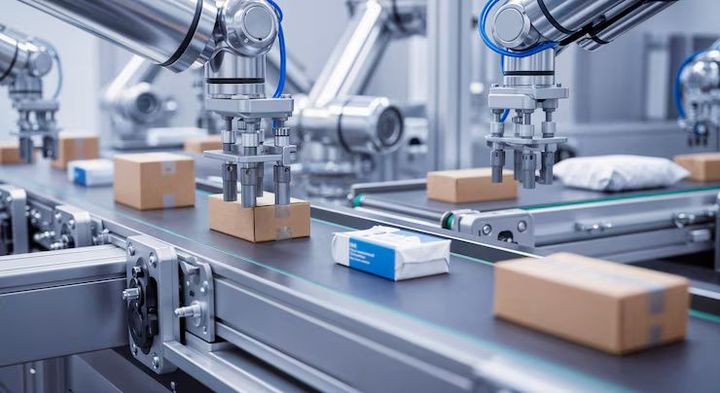
In many industrial operations, moulds can weigh several tons and require precise alignment during installation or removal from machines. Traditional manual methods or basic lifting equipment often increase downtime, reduce operational efficiency, and pose safety risks. To address these challenges, advanced mould handling systems were developed.
These systems are designed to streamline heavy material handling and improve workflow efficiency in modern manufacturing environments. As industries adopt automation and smart factory models, mould handling solutions are becoming more advanced and data-driven.
Common Types of Mould Handling Systems
-
Hydraulic mould carts
-
Rail-guided transfer systems
-
Die lifters
-
Automated mould change (AMC) units
-
Electric mould transport vehicles
-
Overhead cranes with smart controls
These systems aim to reduce manual effort, improve accuracy, and ensure safer operations across production lines.
Importance
Mould handling systems play a critical role in improving efficiency and safety in industrial operations. As production cycles shorten and demand increases, manufacturers require faster and more reliable handling solutions.
Key Industries Using Mould Handling Systems
-
Automotive manufacturing
-
Aerospace engineering
-
Consumer electronics production
-
Packaging industries
-
Medical device manufacturing
-
Heavy metal fabrication
Without proper systems, companies often face serious operational challenges.
Common Challenges Without Automation
-
Extended machine downtime
-
Higher workplace injury risks
-
Equipment misalignment
-
Production bottlenecks
-
Reduced efficiency
Productivity Comparison
| Factor | Manual Handling | Automated Mould Handling |
|---|
| Average Changeover Time | 60–120 minutes | 10–30 minutes |
| Workplace Injury Risk | High | Significantly Reduced |
| Alignment Accuracy | Variable | High Precision |
| Production Downtime | Extended | Minimized |
Reducing downtime directly improves overall equipment effectiveness (OEE). This makes mould handling systems essential for lean manufacturing and industrial automation strategies.
Recent Updates
Recent advancements in mould handling technology are transforming industrial automation. In 2024 and early 2025, manufacturers have increasingly integrated IoT sensors and smart monitoring systems into handling equipment.
Key Technological Trends
-
Integration of IoT for real-time monitoring
-
Predictive maintenance using AI analytics
-
Connection with Manufacturing Execution Systems (MES)
-
Expansion of smart factory ecosystems
-
Adoption of electric-powered mould transport systems
Sustainability is also influencing innovation. Many facilities are replacing diesel-powered units with electric alternatives to meet environmental standards and reduce emissions.
Emerging Developments
-
Modular mould storage systems with automated retrieval
-
Digital dashboards for performance tracking
-
AI-based failure prediction and lifecycle analysis
These updates highlight the shift toward data-driven manufacturing environments.
Laws or Policies
Mould handling systems must comply with workplace safety regulations and industrial standards. These laws ensure safe operation, proper equipment use, and employee protection.
Key Regulatory Focus Areas
-
Safe lifting procedures
-
Load capacity compliance
-
Equipment inspection protocols
-
Worker safety training
Regional Compliance Examples
-
United States: OSHA regulations for workplace safety
-
European Union: Machinery Directive and CE marking requirements
-
Global: Environmental policies promoting energy-efficient equipment
Companies operating internationally must ensure compliance across different regulatory frameworks to avoid penalties and ensure safety.
Tools and Resources
Organizations rely on various tools to manage and optimize mould handling systems effectively. These tools support planning, monitoring, and maintenance.
Commonly Used Tools
-
Industrial simulation software (digital twins)
-
Enterprise Resource Planning (ERP) systems
-
Manufacturing Execution Systems (MES)
-
Safety compliance checklists
-
Load calculation tools
-
Preventive maintenance software
-
Industrial layout and design templates
These resources enable data-driven decisions and help improve operational efficiency.
Frequently Asked Questions
What is a mould handling system used for?
A mould handling system is used to transport, install, remove, and store heavy moulds in manufacturing facilities. It improves safety, reduces downtime, and enhances efficiency.
Which industries benefit the most?
Industries such as automotive, aerospace, plastic molding, and heavy fabrication rely heavily on mould handling systems.
How does automation improve changeover time?
Automation reduces manual intervention by using precision-controlled systems. This shortens changeover time and minimizes alignment errors.
Are these systems regulated?
Yes, they must comply with safety regulations, including equipment inspections and worker training requirements.
What are the latest trends?
Key trends include IoT integration, predictive maintenance, electric transport systems, and smart factory automation.
Conclusion
Mould handling systems are essential for modern manufacturing environments focused on efficiency and safety. They help reduce downtime, improve accuracy, and support automation strategies.
With advancements such as IoT-enabled monitoring, electric transport systems, and predictive maintenance, these systems are becoming more intelligent and sustainable. Companies investing in these technologies can achieve better productivity and long-term operational reliability.