Oil processing machinery refers to equipment used to extract, refine, and process oil from various raw materials such as seeds, nuts, and fruits. These machines are commonly used in agricultural and industrial settings to produce edible oils like soybean oil, sunflower oil, and palm oil, as well as non-edible oils used in cosmetics, fuels, and manufacturing.
The development of oil processing machinery dates back to traditional methods such as manual pressing and grinding. Over time, technological advancements have introduced mechanical and automated systems that improve efficiency, consistency, and output quality. Today, oil processing involves multiple stages, including cleaning, crushing, pressing, extraction, and refining.
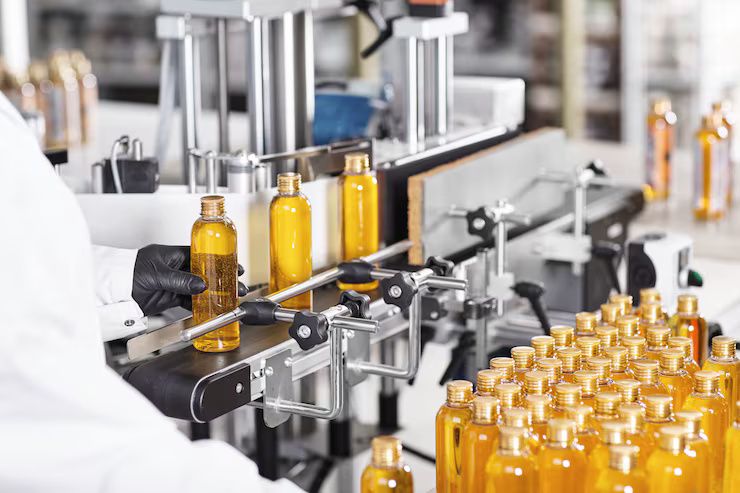
Modern machinery is designed to handle different types of oil-bearing materials and to operate at various scales, from small community-based setups to large industrial plants. The purpose of these machines is to separate oil from raw materials while maintaining safety and minimizing waste.
Importance
Oil processing machinery plays a significant role in food production and industrial supply chains. Edible oils are widely used in cooking, food preparation, and packaged products, making efficient processing essential for meeting global demand. At the same time, non-edible oils are important in sectors such as biofuels, personal care products, and lubricants.
For farmers and agricultural communities, access to oil processing machinery can help increase the value of crops by converting raw materials into processed goods. This contributes to income generation and supports local economies.
The machinery also addresses several challenges, including:
- Improving oil yield from raw materials through precise extraction methods
- Reducing manual labor by automating repetitive tasks
- Enhancing hygiene and safety during processing
- Supporting consistent product quality for large-scale distribution
In addition, efficient oil processing helps reduce waste by utilizing by-products such as oil cakes, which can be used as animal feed or fertilizer.
Recent Updates
Recent developments in oil processing machinery from 2024 to 2026 reflect a shift toward efficiency, sustainability, and automation. Manufacturers and researchers are focusing on improving performance while reducing environmental impact.
One notable trend is the integration of digital monitoring systems. These systems allow operators to track temperature, pressure, and output levels in real time. This helps maintain consistent processing conditions and reduces the likelihood of equipment failure.
Another update is the adoption of energy-efficient designs. Modern machines are built to consume less power while maintaining high output levels. This is particularly important in regions where energy resources are limited or expensive.
Cold-press technology has also gained attention. This method extracts oil without high heat, which helps retain natural nutrients and flavor. As consumer awareness of food quality increases, demand for such processing methods has grown.
Automation is another key trend. Many oil processing systems now include programmable controls and sensors, reducing the need for manual intervention. This leads to more consistent results and improved operational safety.
Additionally, there is growing interest in modular machinery. These systems can be expanded or adjusted based on production needs, making them suitable for both small-scale and large-scale operations.
Laws or Policies
Oil processing machinery is subject to various regulations that ensure safety, quality, and environmental protection. These laws vary by country but generally focus on food safety standards, industrial safety, and environmental compliance.
In India, oil processing units must follow guidelines set by the Food Safety and Standards Authority of India (FSSAI). These guidelines cover hygiene practices, permissible limits of contaminants, and labeling requirements for edible oils.
Environmental regulations also play a role. Processing units are required to manage waste and emissions according to rules set by pollution control boards. This includes proper disposal of by-products and treatment of wastewater.
Workplace safety laws require machinery to meet safety standards to protect operators. This includes features such as emergency shut-off systems, protective guards, and proper ventilation.
Government programs may support small and medium-scale processing units through financial assistance or training initiatives. These programs aim to promote agricultural value addition and rural development.
Tools and Resources
Several tools and resources can help individuals and organizations understand and manage oil processing machinery more effectively. These tools range from technical software to informational platforms.
Some commonly used resources include:
- Equipment selection guides, which help identify suitable machinery based on raw materials and production scale
- Oil yield calculators, which estimate output based on input quantity and extraction method
- Maintenance checklists, which outline routine inspection and servicing steps
- Online training platforms, which provide educational materials on machine operation and safety
- Government portals, which share regulatory updates and compliance requirements
The following table outlines common types of oil processing machinery and their functions:
| Machine Type | Primary Function | Typical Use Case |
|---|---|---|
| Seed Cleaner | Removes impurities from raw materials | Pre-processing stage |
| Oil Expeller | Extracts oil through mechanical pressing | Small to medium-scale production |
| Solvent Extractor | Uses solvents to extract remaining oil | Large-scale industrial processing |
| Filter Press | Removes solid particles from oil | Oil purification |
| Refining Unit | Improves oil quality and stability | Edible oil production |
These tools and machines work together as part of a complete processing system, ensuring that oil is extracted efficiently and meets required standards.
FAQs
What is oil processing machinery used for?
Oil processing machinery is used to extract and refine oil from seeds, nuts, and other raw materials. It is commonly applied in food production, industrial manufacturing, and biofuel processing.
How does oil processing machinery work?
Oil processing machinery typically works in stages, including cleaning raw materials, crushing them, extracting oil through pressing or solvents, and refining the oil to improve quality and shelf life.
What are the main types of oil processing machinery?
The main types include seed cleaners, oil expellers, solvent extractors, filter presses, and refining units. Each type performs a specific role in the overall process.
Is oil processing machinery suitable for small-scale use?
Yes, there are compact and modular machines designed for small-scale operations. These systems are often used in rural or community-based setups to process locally grown crops.
What factors affect the efficiency of oil processing machinery?
Efficiency can be influenced by the type of raw material, moisture content, machine settings, and maintenance practices. Proper operation and regular upkeep help maintain consistent performance.
Conclusion
Oil processing machinery is an essential part of modern agriculture and industry, enabling the efficient extraction and refinement of oils from various sources. It supports food production, industrial applications, and economic development in many regions. Advances in technology have improved efficiency, safety, and environmental performance. Understanding how these machines work and the regulations that govern them helps ensure responsible and effective use.