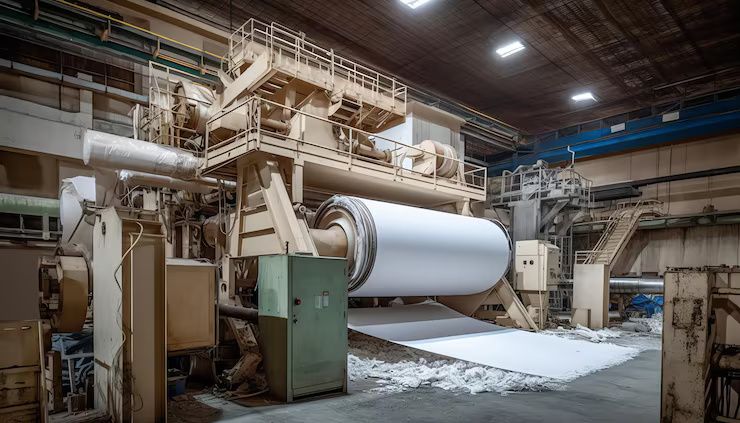
Paper pulping machines are industrial systems used to convert raw fibrous materials into pulp, which serves as the primary input for paper and paperboard manufacturing. These machines exist because paper production requires fibers to be separated, softened, and processed into a uniform slurry before being formed into sheets.
Historically, paper was produced manually using plant fibers soaked and beaten by hand. As demand for paper increased with education, printing, and recordkeeping, mechanized pulping methods became necessary. Early industrial pulping focused on mechanical processes that physically separated fibers. Over time, chemical and semi-chemical methods were developed to improve fiber quality and strength.
Modern paper pulping machines integrate mechanical action, controlled chemical treatment, and process monitoring. They are designed to handle various raw materials, including wood, agricultural residues, and recovered paper. The purpose of pulping machines is to create consistent fiber suspensions suitable for downstream paper-making processes while maintaining efficiency and quality.
Importance: Why Paper Pulping Machines Matter Today
Paper pulping machines remain essential because paper-based materials continue to play a significant role in communication, packaging, and hygiene. From books and office paper to cartons and tissue products, pulped fibers form the foundation of these materials.
Paper pulping machines matter today because they:
-
Enable large-scale paper and packaging production
-
Support fiber preparation for consistent paper quality
-
Allow use of diverse raw materials, including recycled inputs
-
Contribute to material efficiency in manufacturing systems
This topic affects paper manufacturers, engineers, environmental planners, and supply chain stakeholders. Without reliable pulping systems, paper quality becomes inconsistent, leading to strength issues, surface defects, or production inefficiencies.
By solving challenges related to fiber separation, consistency, and preparation, pulping machines support stable manufacturing processes in the global paper industry.
Recent Updates: Manufacturing and Technology Trends from the Past Year
During 2024 and early 2025, paper pulping technology reflected broader industrial trends focused on efficiency, resource optimization, and environmental responsibility. In early 2024, there was increased attention on energy-efficient pulping systems. Manufacturers discussed reducing mechanical energy consumption while maintaining fiber quality.
In mid-2024, advancements in process control gained visibility. Digital monitoring systems were increasingly referenced for tracking pulp consistency, temperature, and fiber characteristics in real time. These tools supported improved process stability and reduced material variability.
By late 2024 and into 2025, recycling-focused pulping solutions became more prominent. As the use of recovered paper expanded, pulping machines designed for better contaminant removal and fiber preservation received greater attention in technical discussions.
Another recent development involved water management. Updated pulping systems emphasized optimized water circulation and reduced process water usage, aligning with broader sustainability goals in industrial manufacturing.
Laws and Policies: Standards and Regulatory Framework
Paper pulping machines are influenced by industrial standards, environmental regulations, and workplace safety frameworks. These rules do not typically specify machine brands or designs but establish performance, safety, and environmental expectations.
International manufacturing and quality standards published by the International Organization for Standardization provide guidance on process management, testing methods, and environmental performance relevant to pulp and paper manufacturing.
In India, industrial equipment and manufacturing practices align with guidelines from the Bureau of Indian Standards, which supports consistency in equipment safety, electrical systems, and industrial operations.
Environmental policies related to water use, effluent treatment, and waste handling also influence pulping operations. These regulations encourage responsible management of resources and emissions, shaping how pulping machines are designed and operated within manufacturing facilities.
Tools and Resources: Understanding Paper Pulping Systems
A range of technical and educational resources help explain paper pulping machines and their role in manufacturing. These tools are used for learning, planning, and process understanding.
Helpful tools and references include:
-
Process flow diagrams for pulp manufacturing
-
Fiber analysis tools for consistency and quality checks
-
Educational manuals on mechanical and chemical pulping
-
Digital dashboards for pulp process monitoring
-
Industry publications on paper manufacturing technology
The table below outlines common pulping methods and their general purpose:
| Pulping Method | Core Process Description | Typical Application |
|---|---|---|
| Mechanical pulping | Physical fiber separation | Newsprint and packaging |
| Chemical pulping | Chemical treatment of fibers | High-strength paper |
| Semi-chemical pulping | Combined mechanical and chemical steps | Corrugated materials |
| Recycled pulping | Fiber recovery from used paper | Packaging and tissue |
| Thermo-mechanical | Heat-assisted mechanical pulping | Improved fiber flexibility |
These tools and resources help clarify how different pulping approaches serve varied manufacturing needs.
Frequently Asked Questions About Paper Pulping Machines
What is the main function of a paper pulping machine?
Its main function is to separate and process fibers into a uniform pulp suitable for paper manufacturing.
Do pulping machines work only with wood?
No, pulping machines can process wood, agricultural fibers, and recovered paper depending on the system design.
Why are different pulping methods used?
Different methods balance fiber strength, efficiency, and material characteristics for specific paper products.
Is recycling important in modern pulping systems?
Yes, recycled pulping supports resource efficiency and reduces reliance on virgin raw materials.
How do pulping machines affect paper quality?
Consistent pulping improves fiber bonding, strength, and surface properties in finished paper.
Conclusion: Paper Pulping Machines as the Foundation of Paper Manufacturing
Paper pulping machines form the foundation of modern paper manufacturing by preparing fibers for consistent and efficient production. From early mechanical systems to advanced digitally monitored processes, pulping technology has evolved to meet growing demand and changing material needs.
Understanding the context, importance, recent developments, regulatory frameworks, and technical resources related to paper pulping machines provides a clear picture of their role in industrial manufacturing. As industries continue to focus on efficiency, recycling, and responsible resource use, paper pulping machines remain essential to producing the paper-based materials used across everyday life.