Party tent rentals refer to the temporary use of structured outdoor shelters for events such as weddings, corporate gatherings, exhibitions, birthdays, and community programs. These tents are designed to create covered spaces in open areas like gardens, beaches, farms, hotel lawns, and public grounds.
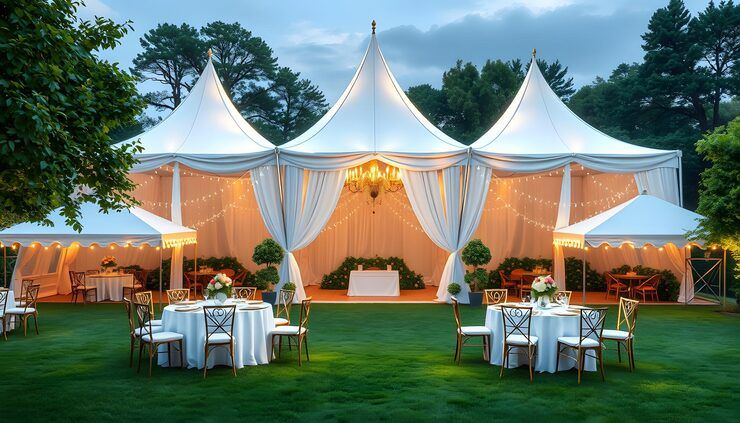
The concept exists because outdoor events are often affected by weather conditions such as heat, rain, and wind. Tents provide shade, protection, and a defined event space without requiring permanent construction. In cities like Surat, where weddings and social events are frequent, tents are commonly used in residential plots and banquet lawns.
There are several types of event tents used today:
-
Frame tents for flexible layouts
-
Pole tents for traditional decorative settings
-
Clear-span structures for large corporate events
-
Canopy tents for small gatherings
-
Luxury wedding tents with climate control systems
These structures often include lighting, flooring, stage platforms, and air-cooling systems. Modern tent setups may also integrate LED screens, sound systems, and modular seating arrangements.
Why Party Tent Rentals Matter Today
Outdoor event planning has grown due to rising interest in open-air celebrations. After the pandemic years, many families and organizations prefer outdoor venues for better ventilation and space management.
Party tent rentals matter because they:
-
Provide weather protection during monsoon and summer seasons
-
Allow large guest gatherings in temporary spaces
-
Support customizable layouts for weddings and corporate branding
-
Reduce the need for permanent construction
-
Offer flexible space solutions for short-term events
In India, large-scale wedding celebrations, corporate exhibitions, and political rallies rely heavily on tent infrastructure. Cities such as Mumbai and Delhi frequently host outdoor events where temporary structures are essential.
The following table shows common event types and typical tent requirements:
| Event Type | Typical Tent Type | Key Additions |
|---|---|---|
| Wedding Ceremony | Luxury Frame Tent | Stage, chandeliers, décor panels |
| Corporate Conference | Clear-Span Structure | LED screens, soundproofing |
| Birthday Party | Canopy Tent | Lighting, small seating area |
| Exhibition or Expo | Modular Structure Tent | Booth partitions, air cooling |
| Cultural Festival | Large Pole Tent | Stage platform, crowd barriers |
These setups help event organizers manage large crowds while ensuring comfort and safety.
Recent Updates and Trends in 2025
Over the past year, the party tent industry has seen technological and structural improvements.
In 2025, several new trends have emerged:
-
Increased use of eco-friendly materials such as recyclable PVC fabric
-
Growth in solar-powered lighting systems for outdoor events
-
Higher demand for air-conditioned clear-span tents during summer months
-
Adoption of digital layout planning tools for event visualization
-
Improved wind-resistance standards after extreme weather incidents in 2024
Weather unpredictability due to climate change has encouraged organizers to focus more on structural stability. Many large events now require reinforced anchoring systems and professional safety inspections before use.
There is also growing interest in luxury wedding décor themes inspired by international styles, especially for destination weddings in cities like Jaipur.
Digital booking platforms and event management software have made coordination more streamlined. Organizers can now use 3D layout simulations to plan seating, stage placement, and lighting in advance.
Laws and Policies Affecting Party Tent Rentals in India
Temporary structures must follow local municipal and safety regulations. While laws vary by city, the following areas are commonly regulated:
-
Fire safety clearance from the local fire department
-
Electrical wiring safety certification
-
Noise pollution control regulations
-
Public gathering permission for large events
-
Structural stability standards
In many states, event organizers must obtain permission from local municipal corporations before installing large tents in public spaces. For example, in Ahmedabad, public ground events often require prior approval from civic authorities.
Fire safety rules typically require:
-
Clearly marked emergency exits
-
Fire extinguishers on-site
-
Flame-retardant tent materials
-
Proper cable management for lighting systems
Noise regulations under environmental laws may limit sound levels after certain hours. These rules aim to prevent disturbances in residential areas.
Tools and Resources for Event Planning
Planning a tent-based event requires coordination and proper documentation. Several tools and platforms can help simplify the process.
Helpful tools include:
-
Event layout design software for 3D visualization
-
Weather forecast applications for planning outdoor events
-
Fire safety compliance checklists from municipal websites
-
Online event budget calculators
-
Guest management applications for RSVP tracking
Popular event management platforms such as BookMyShow help organizers manage ticketed events and registrations.
Mapping tools like Google Maps assist with guest navigation and parking coordination.
Digital invitation platforms reduce paper usage and simplify guest communication.
Using structured planning templates can help track:
-
Guest count
-
Seating layout
-
Power requirements
-
Weather backup plans
-
Safety equipment checklist
These resources support efficient event coordination and reduce unexpected challenges.
FAQs
What types of tents are suitable for large weddings?
Large weddings typically use clear-span or luxury frame tents because they allow wide, pillar-free interiors and decorative lighting installations.
Do party tents require official permission?
Yes, large gatherings often require local municipal approval, especially if the event is held in public spaces or involves amplified sound systems.
Are party tents safe during heavy rain or wind?
Modern tents are designed with reinforced frames and anchoring systems. However, weather conditions must be monitored, and installations should follow structural safety standards.
How early should event planning begin?
For large events, planning often begins two to three months in advance. This allows time for layout design, permissions, safety checks, and weather preparation.
Can tents be climate-controlled?
Yes, many modern tents support air-conditioning systems, air coolers, and ventilation units to maintain indoor comfort during extreme temperatures.
Conclusion
Party tent rentals play an essential role in outdoor event planning across India. They provide flexible space solutions for weddings, corporate gatherings, festivals, and social celebrations. As demand grows, safety standards, eco-friendly materials, and digital planning tools are becoming more important.
Understanding local regulations, weather conditions, and structural requirements helps ensure smooth event execution. By using reliable planning tools and following compliance guidelines, organizers can create safe and comfortable environments for guests.
With careful preparation and awareness of recent trends, party tent setups continue to evolve as a practical and adaptable solution for modern outdoor events.