Pathology Laboratory Equipment: Complete Guide
Pathology laboratory equipment plays an important role in modern healthcare. When a doctor needs more information about a person's health, laboratory testing often provides the answers. From blood samples to tissue analysis, many medical decisions depend on accurate laboratory results. Behind every test is a collection of carefully designed instruments that help laboratory professionals prepare, examine, and analyze samples. Although laboratory equipment may seem complex, each instrument has a specific purpose.
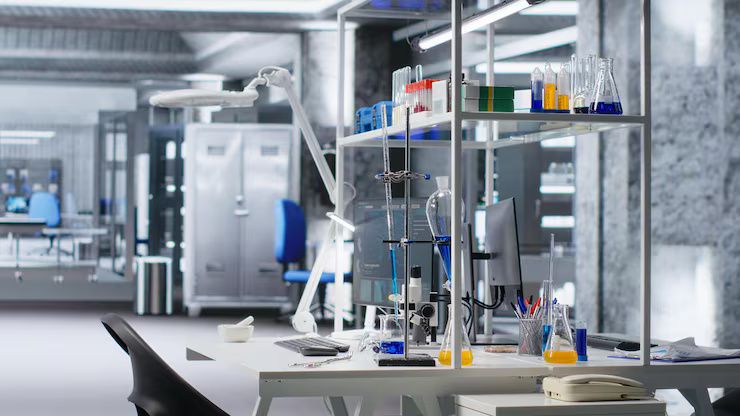
Some prepare samples, others measure chemical substances, and some allow specialists to examine cells under high magnification. Understanding how these tools work helps explain how pathology laboratories support diagnosis, disease monitoring, and medical research.
What Is a Pathology Laboratory?
A pathology laboratory is a facility where biological samples such as blood, urine, tissue, and other body fluids are examined. These laboratories help healthcare professionals understand what is happening inside the body by identifying changes caused by illness, infection, inflammation, or other medical conditions.
Laboratory specialists follow carefully developed procedures to ensure that every sample is handled correctly. Accuracy, cleanliness, and consistency are essential throughout the testing process.
Why Pathology Laboratory Equipment Matters
Every laboratory test depends on reliable equipment. Even a small measurement error can affect the final result. Modern pathology laboratory equipment helps laboratory teams:
- Prepare samples safely
- Measure substances accurately
- Observe cells and tissues clearly
- Reduce manual handling errors
- Improve testing consistency
- Support faster laboratory workflows
Each instrument contributes to a different stage of laboratory analysis.
Common Types of Pathology Laboratory Equipment
A pathology laboratory contains many instruments designed for specific laboratory procedures. Some are used every day, while others support specialized testing.
Microscope
The microscope is one of the most recognizable laboratory instruments. It allows laboratory professionals to observe cells, bacteria, fungi, parasites, and tissue structures that cannot be seen with the naked eye.
Modern digital microscopes may also capture images for documentation and consultation.
Common applications include:
- Blood smear examination
- Tissue sample evaluation
- Microbiology studies
- Cell structure analysis
Centrifuge
A centrifuge separates different components of a sample by spinning it at very high speeds.
For example, a blood sample can be separated into plasma, serum, and blood cells. This separation helps laboratories perform different diagnostic tests using the appropriate portion of the sample.
Centrifuges are available in different sizes depending on laboratory requirements.
Automated Hematology Analyzer
This instrument examines blood samples and measures several important characteristics, including:
- Red blood cell count
- White blood cell count
- Platelet count
- Hemoglobin level
These measurements assist healthcare professionals in evaluating overall health and identifying various blood-related conditions.
Clinical Chemistry Analyzer
Clinical chemistry analyzers measure chemical substances present in blood and other body fluids.
These instruments may evaluate:
- Blood glucose
- Cholesterol
- Electrolytes
- Liver enzymes
- Kidney function markers
Automation allows laboratories to process many samples with consistent measurement methods.
Tissue Processor
Tissue processing is an essential step before microscopic examination.
A tissue processor prepares tissue samples through several stages, including dehydration, clearing, and paraffin infiltration. These steps preserve the sample and make it suitable for thin sectioning.
Proper preparation helps maintain the original tissue structure for examination.
Microtome
Once tissue has been processed and embedded in paraffin wax, a microtome cuts extremely thin tissue sections.
These sections are placed on microscope slides for staining and examination. Thin, even slices help pathologists observe cellular details more clearly.
Histology Stainer
Histology stains improve the visibility of cells and tissues under the microscope.
Automated staining equipment applies specific dyes according to standardized laboratory procedures, helping produce consistent slide preparation.
Different stains highlight different tissue components depending on the examination being performed.
Incubator
Laboratory incubators maintain carefully controlled temperatures for growing microorganisms or supporting biological reactions.
They are commonly used in microbiology laboratories where bacteria or fungi need appropriate environmental conditions for growth and identification.
Temperature stability is important for dependable laboratory results.
Autoclave
An autoclave sterilizes laboratory instruments using high-pressure steam.
Sterilization reduces contamination and helps laboratories maintain clean working conditions. Instruments, glassware, and reusable laboratory materials are commonly sterilized before use.
Autoclaves are an important part of laboratory safety practices.
Refrigerators and Laboratory Freezers
Many biological samples require controlled storage temperatures before analysis.
Laboratory refrigerators and freezers help preserve:
- Blood samples
- Tissue specimens
- Diagnostic reagents
- Laboratory chemicals
- Biological materials
Maintaining proper storage conditions supports sample stability.
Laboratory Balance
Precision balances measure extremely small quantities of laboratory materials.
These measurements are important when preparing laboratory reagents or conducting analytical procedures that require exact amounts.
Even minor differences in weight can influence laboratory testing.
pH Meter
A pH meter measures the acidity or alkalinity of liquids.
Many laboratory reactions depend on maintaining an appropriate pH level. Accurate measurement supports reliable preparation of laboratory solutions.
Water Purification System
Laboratories often require highly purified water for preparing solutions, cleaning equipment, and conducting laboratory procedures.
Water purification systems remove minerals, microorganisms, and impurities that could interfere with testing.
Using purified water improves consistency across laboratory processes.
Laboratory Information Systems
Although not physical laboratory equipment in the traditional sense, laboratory information systems help organize testing workflows.
These digital systems assist with:
- Sample identification
- Test requests
- Result recording
- Report generation
- Data management
Digital recordkeeping improves organization and reduces paperwork.
Safety Equipment in Pathology Laboratories
Laboratory safety is just as important as analytical accuracy. Protective equipment helps reduce exposure to biological materials and laboratory chemicals.
Common safety equipment includes:
- Laboratory coats
- Protective gloves
- Safety goggles
- Face shields
- Biological safety cabinets
- Emergency eye wash stations
- Fire safety equipment
Following safety guidelines helps create a secure working environment.
Routine Maintenance of Laboratory Equipment
Laboratory equipment performs more reliably when it is maintained regularly.
Routine maintenance often includes:
- Cleaning instruments
- Calibration checks
- Performance verification
- Routine inspections
- Replacement of worn components
- Documentation of maintenance activities
Regular maintenance also helps laboratories maintain consistent testing quality over time.
How Automation Is Changing Pathology Laboratories
Automation has transformed many laboratory processes.
Instead of performing every step manually, automated systems now assist with sample preparation, analysis, staining, and result management. This helps laboratories process larger numbers of samples while maintaining consistency.
Automation also supports better workflow organization by reducing repetitive manual tasks and allowing laboratory professionals to focus on interpreting results and monitoring quality.
Despite technological advances, trained laboratory specialists remain essential for operating equipment, reviewing findings, and ensuring that laboratory standards are followed.
Choosing Appropriate Laboratory Equipment
Different laboratories require different types of equipment depending on the tests they perform.
When selecting equipment, laboratories often consider:
- Testing requirements
- Sample volume
- Available laboratory space
- Measurement accuracy
- Compatibility with existing laboratory systems
- Maintenance requirements
- Safety standards
- Regulatory compliance
Careful planning helps laboratories build equipment collections that match their testing activities.
Conclusion
Pathology laboratory equipment forms the foundation of accurate laboratory testing. From microscopes and centrifuges to automated analyzers and tissue processors, every instrument contributes to the careful examination of biological samples. Together, these tools support healthcare professionals by providing dependable laboratory information that assists in diagnosis, treatment planning, and ongoing patient care.
As laboratory technology continues to develop, automation and digital systems are improving workflow efficiency while maintaining high standards of accuracy. Even with advanced instruments, skilled laboratory professionals remain at the center of the testing process, ensuring that each sample is handled carefully and every result is produced using established laboratory practices.