PCB Drilling Machines Guide: Technology, Types, and Modern Applications
PCB drilling machines are specialized industrial machines used to create precise holes in printed circuit boards (PCBs). These holes are essential for mounting electronic components and establishing electrical connections between layers of a board. As electronic devices become smaller and more complex, the drilling process must achieve high precision at microscopic levels.
Printed circuit boards (PCBs) form the foundation of modern electronics, powering devices such as smartphones, medical equipment, and automotive systems. PCB drilling machines are specialized tools designed to create precise holes required for electrical connections and component placement.
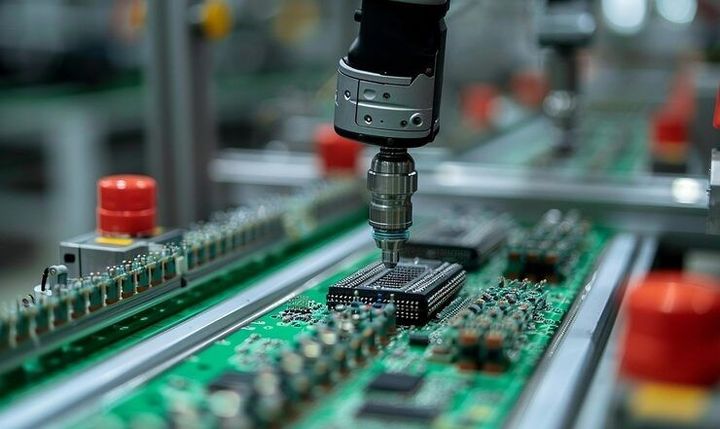
These machines operate with high accuracy and consistency, often drilling thousands of holes per board. Modern systems integrate advanced technologies such as CNC control, laser drilling, and automation to ensure efficiency and minimal waste.
Types of PCB Drilling Machines
PCB drilling machines vary based on production needs, board complexity, and required precision.
Common Machine Types
- Mechanical CNC drilling machines
- Laser drilling systems
- Micro-drilling machines for HDI boards
- Multi-spindle drilling units
Each type supports different manufacturing scales and technical requirements, from standard PCBs to highly complex multilayer designs.
Importance of PCB Drilling Technology
PCB drilling plays a critical role in ensuring proper electrical connections between board layers. Without precision drilling, devices may fail due to poor connectivity or structural defects.
Why It Matters Today
- Rising demand for compact and high-performance electronics
- Increased use of multilayer PCBs in automotive safety systems
- Dependence of medical devices on reliable circuitry
- Growth of telecommunications and 5G infrastructure
Risks of Inaccurate Drilling
- Signal interference
- Electrical shorts
- Structural weaknesses
- Reduced product lifespan
Advanced drilling systems support automation, quality control, and consistent production outcomes in modern manufacturing environments.
Recent Updates in 2025
PCB drilling technology has evolved significantly in recent years, driven by demand for precision and automation.
Key Developments
- Increased adoption of laser micro-drilling for ultra-fine holes
- Integration of AI-based inspection systems
- Expansion of high-speed spindle technologies
- Focus on energy-efficient machinery
Manufacturers are also adopting real-time monitoring systems that track tool wear, vibration, and drilling accuracy. Smart factory integration allows centralized data analysis for improved efficiency.
Laws and Policies
PCB drilling operations must comply with several regulations to ensure safety, environmental responsibility, and product quality.
Key Compliance Standards
- Environmental regulations for waste and dust management
- Worker safety standards for machinery operation
- Electromagnetic compatibility (EMC) standards
- RoHS (Restriction of Hazardous Substances) compliance
- ISO 9001 quality management standards
In regions like the United States and the European Union, strict safety and environmental guidelines govern manufacturing practices. Compliance helps maintain reliability and sustainability in electronics production.
Tools and Resources
Modern PCB drilling relies on various digital tools and software systems to optimize processes and ensure precision.
Common Tools
- CAD software for PCB design
- CAM software for drilling optimization
- CNC simulation tools
- Optical inspection systems
- Tool wear monitoring software
- Industrial IoT dashboards
Common File Types
- Gerber files
- Excellon drill files
- NC drill data
These tools streamline workflow from design to production and improve overall efficiency.
Comparison of PCB Drilling Technologies
Below is a simplified comparison of commonly used drilling technologies:
| Technology Type | Hole Size Range | Speed Level | Typical Use Case |
|---|---|---|---|
| Mechanical CNC | 0.15–6 mm | High | Standard multilayer PCBs |
| Laser Drilling | <0.15 mm | Very High | HDI and microvia boards |
| Multi-Spindle System | 0.2–3 mm | Moderate | High-volume batch production |
This comparison highlights how different technologies serve specific manufacturing needs.
Basic PCB Drilling Workflow
PCB drilling follows a structured process to ensure precision and quality.
Workflow Steps
- Import drill data from PCB design software
- Load PCB panel into the machine
- Align the board using optical systems
- Execute automated drilling
- Perform inspection and verification
Many facilities also use predictive maintenance systems to minimize downtime and improve productivity.
Additional Technical Insights
Modern PCB drilling machines operate at extremely high speeds, often exceeding 100,000 RPM for micro-drilling applications. These machines maintain micron-level accuracy to support complex board designs.
Advanced Features
- Automatic tool changers
- Vision alignment systems
- Vacuum debris removal
- Real-time vibration monitoring
Production Focus Areas (2025)
| Focus Area | Industry Priority Level |
|---|---|
| Microvia Precision | High |
| Automation Integration | High |
| Energy Efficiency | Moderate |
| Manual Operation Reduction | High |
These trends reflect the growing emphasis on automation and smart manufacturing.
Frequently Asked Questions
What is the main purpose of PCB drilling machines?
PCB drilling machines create precise holes for component mounting and electrical connections between layers.
What is the difference between mechanical and laser drilling?
Mechanical drilling uses physical drill bits, while laser drilling uses focused beams for extremely small holes. Laser drilling is ideal for microvias.
Why is drilling accuracy important?
High accuracy ensures proper connectivity, prevents faults, and enhances product reliability.
How are drill paths controlled?
Drill paths are controlled using CNC systems based on digital design files.
Which industries use PCB drilling technology?
- Consumer electronics
- Automotive
- Aerospace
- Telecommunications
- Medical devices
- Industrial automation
Conclusion
PCB drilling machines are essential for producing reliable and high-performance electronic devices. They enable precise manufacturing of multilayer circuit boards used across various industries.
Advancements in automation, laser drilling, and AI-based monitoring are shaping the future of this technology. As demand for compact and complex electronics grows, PCB drilling machines will continue to play a vital role in modern manufacturing.