Learn the Basics of Suspension Parts and Their Role in Smooth Driving
Modern vehicles are designed to deliver more than just speed and engine performance.
Comfort, stability, road control, and driving balance have become equally important as driving environments grow more demanding and road conditions continue varying across cities and highways.
This growing focus on ride quality has increased interest in understanding suspension parts and their role in vehicle performance. Many drivers pay attention to engines, tires, or braking systems, yet suspension systems quietly influence almost every aspect of driving behavior.
What really matters is how suspension components absorb road impact, maintain tire contact, and improve vehicle stability during movement. Without proper suspension balance, even advanced vehicles may feel unstable, uncomfortable, or difficult to control.
This suspension parts guide explores how vehicle suspension systems work, what affects suspension performance, where common problems appear, and how suspension components contribute to smooth and stable driving experiences.
Understanding Suspension Parts
Suspension parts are mechanical components designed to support vehicle stability, absorb shocks, and maintain controlled movement between the vehicle body and wheels.
Traditional vehicle systems focused mainly on durability and basic movement support. Modern suspension systems, however, balance comfort, handling precision, and road responsiveness at the same time.
This matters because road surfaces constantly create vibrations, bumps, and movement forces that affect driving control. The real difference appears when suspension systems reduce these impacts without compromising steering stability.
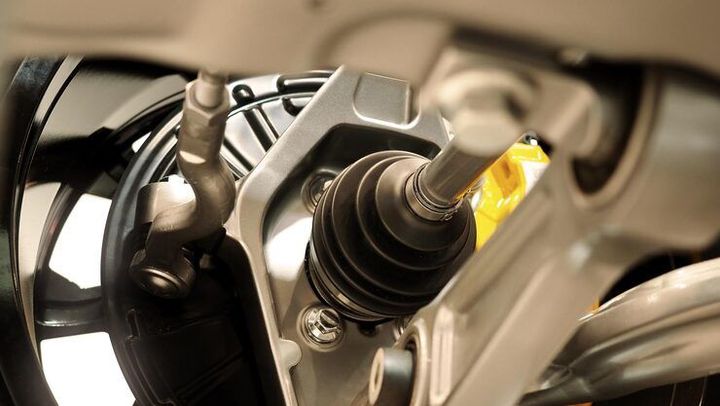
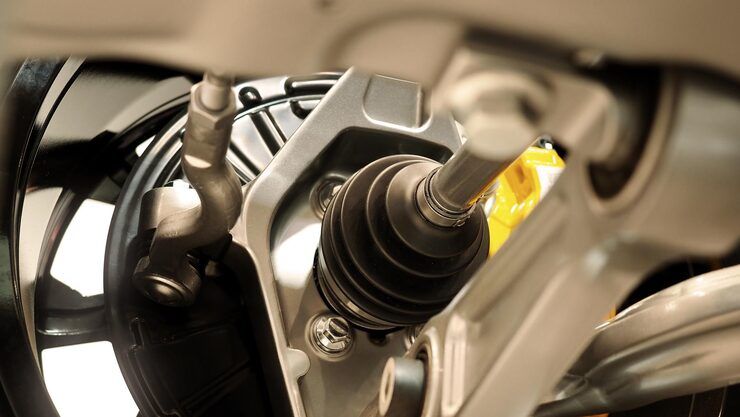
Technically, suspension systems include springs, shock absorbers, struts, control arms, bushings, and stabilizer bars working together to manage movement and weight distribution.
A practical example is highway driving where suspension systems help vehicles remain balanced even while crossing uneven road surfaces at higher speeds.
How Suspension Systems Work
Suspension systems operate through a structured motion-control process.
The process begins when wheels encounter road irregularities such as bumps, potholes, or uneven surfaces. This stage matters because direct road impact would otherwise transfer excessive force into the vehicle cabin.
Springs absorb and distribute movement energy while shock absorbers control excessive bouncing.
Control arms and stabilizer components maintain wheel alignment and steering consistency during movement.
Finally, the suspension system helps keep tires connected to the road surface for safer handling and braking performance.
A practical example is sports utility vehicles using reinforced suspension systems to manage both urban roads and rough terrain conditions more effectively.
Key Suspension Parts and Their Functions
The effectiveness of a suspension system depends on several connected components.
Shock absorbers
Shock absorbers control vertical wheel movement and reduce excessive bouncing after road impact. What really matters is maintaining vehicle stability during acceleration, braking, and turning.
Springs
Springs support vehicle weight while absorbing road vibrations and impact forces.
Struts
Struts combine structural support with shock absorption to improve handling and steering balance.
Control arms
Control arms help manage wheel movement and maintain proper alignment during driving.
Stabilizer bars
Stabilizer bars reduce body roll during cornering and improve vehicle balance.
Together, these suspension parts determine how smoothly and safely a vehicle responds to changing road conditions.
Why Suspension Performance Matters
Suspension performance affects comfort, safety, tire wear, and overall driving control.
One major advantage of a well-functioning suspension system is smoother ride quality. Road vibrations and impacts become less noticeable inside the cabin.
Another important benefit is steering stability because suspension systems help maintain tire contact with the road surface.
Braking performance also improves when weight distribution remains balanced during sudden stops.
Long-term vehicle durability is another factor because controlled movement reduces stress on other mechanical components.
A practical example is long-distance travel where balanced suspension systems reduce driver fatigue and improve overall driving comfort.
Common Suspension Problems
Suspension systems often experience wear due to continuous road impact and vehicle movement.
Worn shock absorbers may cause excessive bouncing and unstable handling.
Damaged bushings can create noise and steering looseness.
Misaligned suspension components may increase uneven tire wear and reduce driving precision.
Spring damage can also affect ride height and weight distribution.
A real-world example is urban driving conditions where potholes and rough roads accelerate suspension wear over time.
Suspension System Comparison: Where Differences Appear
Different suspension systems focus on different driving priorities.
Comfort-oriented suspension systems
These prioritize smooth ride quality and vibration reduction.
Performance suspension systems
These focus on sharper handling and improved cornering stability.
Off-road suspension systems
These emphasize durability, wheel articulation, and rough terrain control.
The real difference appears when comparing comfort, responsiveness, and road adaptability. Some systems prioritize softness and passenger comfort, while others focus more on precision handling and road feedback.
In many cases, suspension effectiveness depends on driving environment and vehicle purpose.
Decision Guide: Understanding Suspension Needs
Understanding suspension needs depends on several practical factors.
Driving environment is one important consideration because highways, urban roads, and rough terrain affect suspension performance differently.
Vehicle type also influences suspension design. Compact city vehicles and heavy utility vehicles require different movement control systems.
Comfort expectations matter because some drivers prefer softer ride quality while others prioritize handling responsiveness.
Maintenance awareness is another major factor since suspension systems gradually wear through regular usage.
A practical example is delivery vehicles requiring stronger suspension durability due to constant weight loads and uneven road conditions.
The real difference appears when ride comfort, vehicle stability, and handling balance work together consistently.
Real-World Use Cases
Suspension systems support multiple vehicle categories and driving conditions.
Passenger vehicles use suspension systems for daily comfort and steering stability.
Commercial vehicles rely on reinforced suspension systems for heavy-load management.
Sports vehicles prioritize handling precision and cornering balance.
Off-road vehicles use specialized suspension systems for rough terrain adaptability.
A clear example is electric vehicles integrating advanced suspension tuning to manage battery weight distribution more effectively.
Future Trends in Suspension Technology
The future of suspension systems is moving toward smarter and more adaptive vehicle control technologies.
Electronic suspension systems are improving real-time ride adjustment and stability control.
AI-assisted vehicle dynamics are helping optimize suspension response based on road conditions.
Adaptive dampers are improving comfort and handling balance automatically.
Lightweight materials are also increasing suspension efficiency while reducing overall vehicle weight.
What really matters is how future suspension systems balance comfort, safety, efficiency, and driving precision in increasingly advanced automotive environments.
FAQ
1. What are suspension parts in a vehicle?
Suspension parts are components that support vehicle stability, absorb shocks, and improve driving comfort.
2. Why are suspension systems important?
They improve ride quality, steering stability, braking balance, and overall vehicle control.
3. What do shock absorbers do?
Shock absorbers reduce excessive bouncing and help stabilize wheel movement.
4. How do suspension problems affect driving?
They may reduce comfort, handling precision, tire performance, and safety.
5. Which vehicles require stronger suspension systems?
Commercial vehicles, off-road vehicles, and heavy-load transport systems commonly require reinforced suspension setups.
Conclusion
Suspension parts play a critical role in maintaining vehicle stability, ride comfort, and smooth driving performance across different road conditions and vehicle types. By controlling movement, absorbing impact, and improving wheel contact with the road, suspension systems quietly influence both safety and driving experience.
The real challenge lies in balancing comfort, durability, and advanced handling as vehicle technology continues evolving rapidly.