Industrial Concrete Mixer Guide for Construction Work
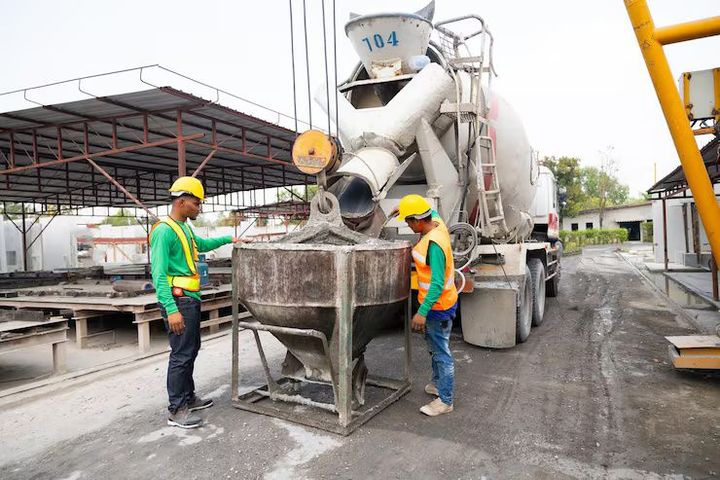
Industrial concrete mixers are machines designed to combine construction materials such as cement, water, sand, and gravel into concrete. These machines are commonly used in large construction environments where consistent concrete mixing is necessary for structural stability and project efficiency.
Concrete mixing has been part of construction for many decades. Earlier construction projects relied heavily on manual labor and small mixing drums. As infrastructure projects became larger and more complex, the need for automated and high-capacity mixing systems increased. Industrial concrete mixers were developed to improve mixing quality, reduce physical labor, and maintain consistency in concrete production.
Heavy-duty construction projects often require large volumes of concrete within limited timelines. Industrial mixers help construction teams prepare concrete continuously without major interruptions. These machines are commonly seen in projects involving highways, bridges, commercial buildings, tunnels, dams, factories, and urban infrastructure.
There are different types of industrial concrete mixers used for specific operational needs. Common examples include:
- Drum mixers
- Twin-shaft mixers
- Planetary mixers
- Continuous mixers
- Reversing drum mixers
The selection of a mixer usually depends on project size, mixing speed, concrete quality requirements, and site conditions.
Types of Industrial Concrete Mixers
| Mixer Type | Main Application | Key Feature |
|---|---|---|
| Drum Mixer | Standard construction projects | Continuous rotation mixing |
| Twin-Shaft Mixer | Large infrastructure work | High-speed uniform mixing |
| Planetary Mixer | Precast concrete production | Precision mixing capability |
| Continuous Mixer | Road and highway projects | Continuous concrete flow |
| Reversing Drum Mixer | Mobile construction work | Flexible discharge direction |
Why Industrial Concrete Mixers Matter Today
Industrial concrete mixers play an important role in modern infrastructure development. Urban growth, transportation expansion, and industrial construction continue to increase the demand for efficient concrete production systems.
One major reason these machines are important is consistency. Concrete quality directly affects the strength and durability of structures. Poorly mixed concrete may lead to cracks, weak foundations, or long-term structural issues. Industrial mixers help maintain uniform material distribution throughout the mixing process.
These machines also support faster project completion. Large construction projects operate under strict schedules. Automated mixing systems reduce delays and improve workflow management.
Industrial concrete mixers affect several industries and groups, including:
- Construction companies
- Civil engineers
- Infrastructure planners
- Manufacturing facilities
- Government development agencies
- Transportation authorities
Another important factor is workplace safety. Modern mixing systems reduce direct worker exposure to heavy manual mixing activities. Automated feeding systems and enclosed operations also help reduce dust exposure and handling risks.
Environmental efficiency has become another focus area. Many construction projects now prioritize reduced material waste and lower energy consumption. New mixer designs are being developed to support sustainable construction practices.
Common Challenges Addressed by Industrial Mixers
| Construction Challenge | Mixer Contribution |
|---|---|
| Inconsistent concrete quality | Uniform material blending |
| Project delays | Faster mixing cycles |
| Labor-intensive operations | Automated processing |
| Material wastage | Controlled batching |
| Large-scale concrete demand | Continuous production capability |
Recent Developments and Industry Trends
Industrial concrete mixing technology has evolved significantly during the past year. Several trends are shaping the construction equipment sector in 2025 and 2026.
One noticeable development is the increased use of automation. Smart monitoring systems are now integrated into many industrial mixers. These systems help operators monitor temperature, moisture levels, rotation speed, and mixing duration in real time.
In early 2025, many infrastructure projects across Asia and the Middle East adopted digital monitoring systems for concrete production management. These systems support better operational accuracy and improve quality control during large-scale projects.
Another trend involves energy-efficient mixer systems. Manufacturers are focusing on reducing fuel consumption and improving motor efficiency. Hybrid-powered equipment and electrically driven mixers are becoming more common in urban construction zones where emissions regulations are stricter.
Remote operation technology has also expanded. Some industrial mixers now include wireless monitoring dashboards that allow supervisors to track performance data from central control systems.
Recycling technology is another growing area. New systems are designed to reuse leftover concrete materials and wash water from construction sites. This helps reduce environmental impact and supports sustainable building initiatives.
The use of predictive maintenance software has also increased during 2025. Sensors inside mixing systems can detect abnormal vibration patterns or motor stress before major equipment failures occur. This approach helps reduce downtime and maintenance interruptions.
Construction Technology Trends in 2025
| Trend | Industry Impact |
|---|---|
| Smart sensors | Improved quality monitoring |
| Energy-efficient motors | Lower energy consumption |
| Remote operation systems | Better site management |
| Predictive maintenance | Reduced equipment downtime |
| Recycling integration | Improved sustainability practices |
Regulations and Construction Policies
Industrial concrete mixers are affected by construction safety standards, environmental regulations, and machinery operation guidelines in many countries.
In India, construction equipment operations are generally guided by workplace safety regulations under occupational safety frameworks. Construction companies are expected to follow safety practices related to machine handling, worker protection, and equipment maintenance.
Dust control regulations have become increasingly important in urban construction projects. Concrete mixing operations may generate airborne particles, which can affect nearby environments and worker health. Construction authorities often require dust suppression systems and proper ventilation practices.
Noise management policies also influence heavy-duty mixing operations. Many urban infrastructure projects now follow operational timing restrictions to reduce noise pollution during nighttime hours.
Environmental regulations encourage responsible disposal of concrete waste materials. Construction sites are often expected to manage slurry water, leftover concrete, and wash materials carefully to prevent environmental contamination.
Infrastructure projects funded through government development programs may also require compliance with energy efficiency standards and equipment inspection procedures.
International safety standards commonly recommend:
- Regular machine inspections
- Emergency stop mechanisms
- Protective equipment for workers
- Operator training procedures
- Controlled loading systems
Construction firms working on public infrastructure projects are often required to document maintenance schedules and operational safety checks.
Useful Tools and Learning Resources
Several digital tools and technical resources help construction teams manage industrial concrete mixing operations more effectively.
Commonly used resources include:
- Concrete volume calculators
- Material ratio estimation tools
- Equipment maintenance tracking software
- Construction planning templates
- Safety inspection checklists
- Moisture monitoring systems
- Digital batching management platforms
Training resources are also widely available for machine operators and construction supervisors. These learning materials often cover:
- Concrete mixing procedures
- Safety protocols
- Preventive maintenance practices
- Material handling techniques
- Equipment troubleshooting basics
Simulation software is increasingly used in engineering education and project planning. These systems help construction teams understand production capacity, workflow optimization, and operational efficiency.
Mobile-based monitoring applications are also becoming more common on construction sites. These applications allow operators to track machine performance, maintenance schedules, and production records directly from handheld devices.
Operational Best Practices
Proper operation of industrial concrete mixers helps improve productivity and maintain construction quality standards.
Some commonly recommended practices include:
- Inspecting mixers before operation
- Monitoring water-to-cement ratios carefully
- Cleaning mixing drums regularly
- Following manufacturer operating limits
- Maintaining consistent batching procedures
- Conducting periodic equipment calibration
Preventive maintenance is particularly important in heavy-duty construction environments. Components such as blades, motors, belts, and hydraulic systems require regular inspection to avoid operational interruptions.
Weather conditions can also affect concrete mixing performance. High temperatures may accelerate concrete setting, while excessive moisture can alter material consistency. Construction teams often adjust mixing procedures based on environmental conditions.
Frequently Asked Questions
What is the main purpose of an industrial concrete mixer?
An industrial concrete mixer combines cement, water, sand, and aggregates to produce consistent concrete for construction projects. It improves efficiency, mixing quality, and production speed.
Which industries commonly use industrial concrete mixers?
These mixers are mainly used in construction, infrastructure development, transportation projects, industrial manufacturing, and large-scale engineering operations.
How do modern concrete mixers improve safety?
Modern mixers reduce manual labor, include emergency stop systems, support enclosed operations, and use automated controls that help reduce workplace risks.
Why is concrete consistency important in construction?
Consistent concrete helps maintain structural strength, durability, and long-term reliability. Uneven mixing can weaken buildings, roads, and infrastructure systems.
What maintenance is required for industrial concrete mixers?
Regular cleaning, lubrication, blade inspection, motor checks, hydraulic monitoring, and calibration are important for maintaining proper equipment performance.
Are industrial concrete mixers environmentally regulated?
Yes. Many regions have environmental guidelines related to dust control, noise management, waste disposal, and energy efficiency during construction operations.
Conclusion
Industrial concrete mixers remain an essential part of modern construction and infrastructure development. These machines support large-scale concrete production, improve consistency, reduce labor-intensive tasks, and help construction teams manage demanding project timelines more effectively.
Recent developments in automation, monitoring technology, energy efficiency, and recycling systems continue to improve the performance of heavy-duty mixing operations. At the same time, construction regulations and environmental policies are shaping how these machines are operated in urban and industrial environments.