Pharmaceutical Development and Manufacturing Explained: Processes, Technologies, and Quality Standards
Pharmaceutical development and manufacturing involve the scientific, technical, and industrial activities required to transform a medical concept into a finished medicine.
These activities include research, formulation design, testing, production, packaging, quality control, and distribution preparation.
The pharmaceutical industry has evolved significantly over the past century. Early medicine production often relied on small-scale preparation methods, while modern pharmaceutical manufacturing uses advanced equipment, highly controlled environments, and detailed quality systems. Today, pharmaceutical development encompasses both traditional medicines and newer biological products, including complex therapies produced through biotechnology.
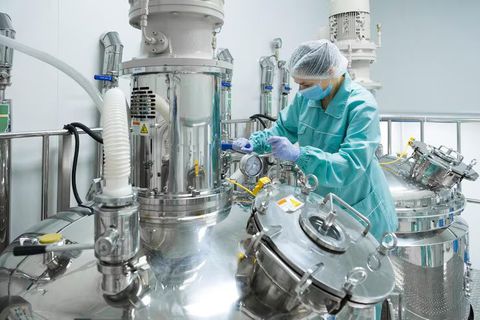
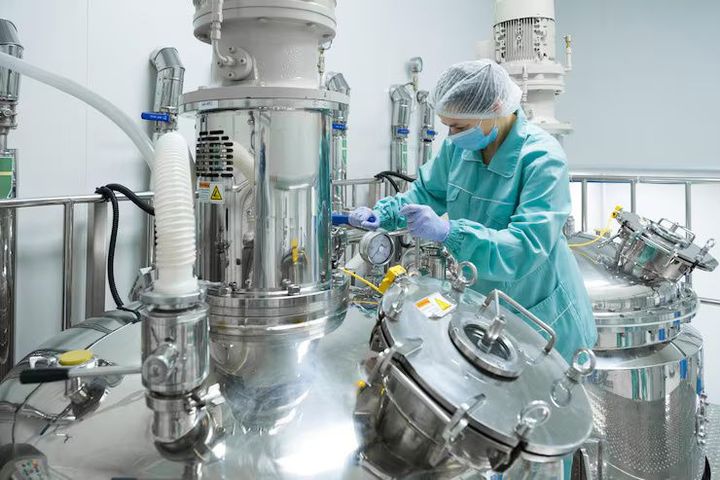
Many organizations participate in the pharmaceutical ecosystem. Activities may include pharmaceutical formulation development, pharmaceutical process development, biologics manufacturing, sterile pharmaceutical manufacturing, packaging operations, and production support. Pharmaceutical production equipment plays a central role in ensuring consistency and quality throughout the manufacturing process.
The overall goal of pharmaceutical development is to create medicines that meet regulatory requirements and can be produced consistently while maintaining quality standards.
Importance
Supporting Public Health
Medicines are an important part of modern healthcare systems. Pharmaceutical manufacturing helps ensure that treatments are available for a wide range of medical conditions.
Without organized development and production processes, it would be difficult to supply medicines to healthcare providers and patients on a large scale.
Ensuring Product Consistency
Every batch of a pharmaceutical product must meet strict quality requirements.
Manufacturing systems help ensure consistency in:
- Strength
- Purity
- Stability
- Composition
- Packaging quality
Consistency is important because patients and healthcare professionals rely on predictable product performance.
Advancing Medical Innovation
Pharmaceutical development supports scientific innovation by transforming laboratory discoveries into products that can be evaluated and manufactured at larger scales.
This process contributes to the continued evolution of healthcare technologies.
Supporting Global Healthcare Systems
Modern healthcare systems depend on reliable pharmaceutical supply chains.
Development, production, packaging, testing, and distribution activities help support access to medicines around the world.
Recent Updates
Expansion of Biologics Manufacturing
Biological medicines continue to represent an important area of pharmaceutical growth.
Biologics manufacturing involves complex production methods that often use living cells and advanced biotechnology platforms.
Increased Manufacturing Automation
Automation technologies are becoming more common throughout pharmaceutical facilities.
Examples include:
- Automated inspection systems
- Digital monitoring platforms
- Robotic material handling
- Electronic documentation systems
These technologies help improve process control and operational efficiency.
Growth of Data-Driven Manufacturing
Manufacturers increasingly use data analytics to monitor production performance and identify process improvements.
Real-time monitoring systems provide greater visibility into manufacturing activities.
Focus on Supply Chain Resilience
The pharmaceutical sector continues to strengthen supply chain planning and production flexibility.
Organizations are evaluating methods to improve continuity and operational preparedness.
Development of Advanced Production Platforms
Modern facilities increasingly incorporate advanced pharmaceutical production equipment capable of supporting complex formulations and specialized manufacturing requirements.
Laws or Policies
Pharmaceutical development and manufacturing are governed by strict regulations designed to protect public health.
Good Manufacturing Practice Requirements
Many countries require pharmaceutical facilities to comply with Good Manufacturing Practice (GMP) regulations.
These requirements address:
- Facility cleanliness
- Documentation
- Quality control
- Personnel training
- Equipment management
Regulatory Review Processes
Before a medicine can reach patients, it typically undergoes regulatory review and evaluation.
Authorities assess manufacturing information, quality data, and scientific evidence according to applicable regulations.
Packaging and Labeling Requirements
Medicines are generally subject to packaging and labeling standards.
These regulations help ensure accurate product information and traceability.
Quality Management Standards
Pharmaceutical organizations operate under quality systems that support consistency and regulatory compliance.
| Regulatory Area | Purpose |
|---|---|
| Good Manufacturing Practice | Supports product quality |
| Regulatory Review | Evaluates safety and quality data |
| Packaging Standards | Supports product identification |
| Quality Systems | Promotes consistency |
| Documentation Requirements | Supports traceability |
Tools and Resources
Manufacturing Execution Systems
Manufacturing execution systems help manage production activities and operational records.
These platforms improve visibility across manufacturing processes.
Laboratory Information Management Systems
Laboratories frequently use digital systems to organize testing information and analytical results.
These tools support quality management activities.
Process Monitoring Platforms
Digital monitoring platforms collect and analyze operational data from production equipment.
These systems help identify trends and process variations.
Quality Management Software
Quality management tools assist organizations in maintaining documentation, investigations, audits, and compliance records.
Regulatory Information Resources
Government agencies and international organizations publish guidance documents related to pharmaceutical manufacturing and quality standards.
Key Stages of Pharmaceutical Development
Discovery and Research
The process often begins with scientific research aimed at identifying potential therapeutic compounds.
Researchers evaluate various candidates before selecting those suitable for further study.
Pharmaceutical Formulation Development
Pharmaceutical formulation development focuses on creating a stable and effective dosage form.
Examples include:
- Tablets
- Capsules
- Injectables
- Suspensions
- Topical products
Formulation scientists evaluate ingredients, stability characteristics, and manufacturing requirements.
Pharmaceutical Process Development
Pharmaceutical process development involves designing manufacturing methods capable of producing products consistently and efficiently.
This stage often includes testing and optimization activities.
Clinical Evaluation
Products may undergo clinical evaluation according to regulatory requirements before broader manufacturing activities occur.
Commercial Manufacturing
After regulatory authorization, products may enter commercial-scale production using specialized pharmaceutical production equipment and controlled manufacturing environments.
Pharmaceutical Manufacturing Technologies
Sterile Pharmaceutical Manufacturing
Sterile pharmaceutical manufacturing is used for products that must remain free from microbial contamination.
These products often require specialized facilities and environmental controls.
Biologics Manufacturing
Biologics manufacturing uses advanced biotechnology techniques and specialized production systems.
These products can be more complex than traditional pharmaceutical compounds.
Packaging Operations
Packaging plays an important role in product protection, identification, storage, and transportation.
Pharmaceutical packaging activities help ensure product integrity throughout distribution.
Digital Manufacturing Systems
Digital technologies support monitoring, documentation, quality control, and operational management.
Industry Participants
Several types of organizations contribute to pharmaceutical development and manufacturing activities.
These may include:
- Research organizations
- Manufacturing facilities
- Packaging operations
- Equipment providers
- Quality testing laboratories
- Regulatory specialists
Some organizations focus on pharmaceutical formulation development, while others specialize in pharmaceutical process development, biologics manufacturing, or sterile pharmaceutical manufacturing.
FAQs
What is pharmaceutical development?
Pharmaceutical development is the process of transforming a potential medicine into a product suitable for manufacturing, regulatory review, and patient use.
What is pharmaceutical formulation development?
Pharmaceutical formulation development involves designing the composition and dosage form of a medicine to ensure stability, quality, and usability.
What is pharmaceutical process development?
Pharmaceutical process development focuses on creating manufacturing methods that consistently produce products according to quality requirements.
What is sterile pharmaceutical manufacturing?
Sterile pharmaceutical manufacturing refers to the production of medicines in highly controlled environments designed to prevent contamination.
What role does pharmaceutical production equipment play?
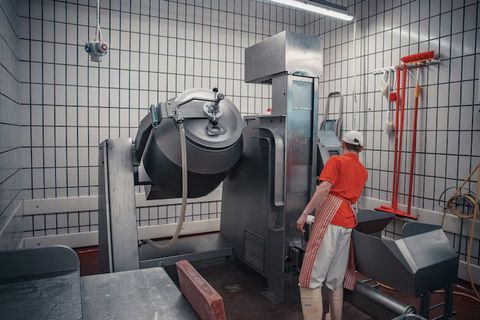
Pharmaceutical production equipment supports mixing, processing, filling, inspection, packaging, and other manufacturing activities required to produce medicines.
Conclusion
Pharmaceutical development and manufacturing are essential components of modern healthcare. Activities such as pharmaceutical formulation development, pharmaceutical process development, biologics manufacturing, sterile pharmaceutical manufacturing, and packaging operations contribute to the production of medicines used around the world. Advances in automation, digital technologies, and manufacturing science continue to shape the industry. As healthcare needs evolve, pharmaceutical manufacturing remains an important part of global public health infrastructure.