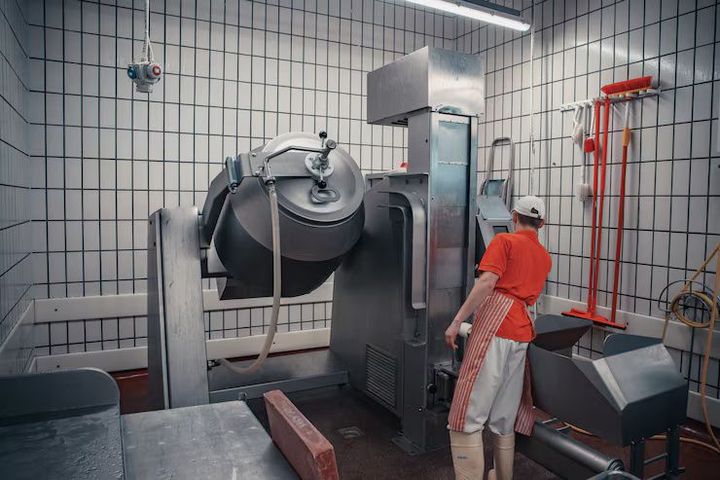
Roller Dryer Machines: A Complete Guide to Industrial Drying Technology
A roller dryer machine is industrial equipment designed to remove moisture from liquids, slurries, or semi-solid materials by using heated rotating drums or rollers.
The technology has been used for many decades in food processing, chemicals, minerals, biomass handling, and agricultural industries. Today, roller dryer machine manufacturers continue to develop systems that support large-scale production and consistent material handling.
Industrial drying became increasingly important during the growth of manufacturing in the nineteenth and twentieth centuries. Early drying methods relied heavily on open-air techniques, which were influenced by weather and seasonal changes. Mechanical drying equipment introduced greater control over temperature, moisture reduction, and production capacity.
Modern industrial roller dryer equipment combines thermal engineering, automation, and material science. Many facilities use continuous roller drying machines to process products without frequent interruptions. This approach helps maintain stable operating conditions and predictable output.
Drum dryer machine suppliers contribute to various sectors, including food ingredients, paper materials, starch products, and biomass processing. In some cases, turnkey drying plant solutions integrate drying systems with conveyors, monitoring devices, and environmental controls within a unified facility design.
Common Types of Roller Drying Equipment
| Dryer Type | Typical Material | Operating Method | Common Industries |
|---|---|---|---|
| Single Drum Dryer | Liquid slurries | One heated drum | Food processing |
| Double Drum Dryer | Thick pastes | Two rotating drums | Chemical production |
| Continuous Roller Dryer | High-volume materials | Continuous feed | Agriculture |
| Biomass Roller Dryer | Organic matter | Controlled thermal drying | Renewable energy |
| Vacuum Drum Dryer | Heat-sensitive products | Reduced pressure | Specialty manufacturing |
These technologies illustrate the broad range of drying methods used in modern industrial environments.
Importance
Supporting Industrial Production
Moisture control is essential in many manufacturing activities. Excess water can influence storage conditions, transportation efficiency, and processing quality. Industrial roller dryer equipment helps transform wet materials into stable forms suitable for later use.
Industries such as food manufacturing, chemical production, and biomass processing depend on reliable drying operations as part of their broader workflows.
Reducing Material Waste
Proper drying can minimize spoilage and deterioration. Agricultural products, organic materials, and industrial compounds often require moisture reduction to maintain usable characteristics during storage and handling.
Continuous roller drying machines contribute to more efficient resource utilization across numerous sectors.
Strengthening Biomass Applications
Biomass roller dryer systems play an important role in renewable energy activities. Wood chips, agricultural residues, and organic materials frequently undergo drying before further processing.
Lower moisture content can improve handling and support energy conversion processes.
Encouraging Technological Innovation
OEM roller dryer manufacturers increasingly incorporate digital monitoring tools and automation features. These developments help operators understand temperature conditions, material flow, and maintenance requirements.
Important operational considerations include:
- Temperature management.
- Material feed consistency.
- Energy efficiency measures.
- Equipment maintenance planning.
- Environmental monitoring.
Supporting Multiple Industries
Roller drying technology appears in a wide variety of industrial settings. Examples include:
- Food ingredient production.
- Chemical manufacturing.
- Biomass processing.
- Mineral treatment facilities.
- Agricultural product handling.
The flexibility of these systems contributes to their continued relevance across global industries.
Recent Updates
Growth of Automated Monitoring
Between 2024 and 2026, many industrial facilities expanded the use of digital sensors within drying equipment. Temperature, moisture, and rotational performance can now be tracked through integrated monitoring platforms.
These tools help improve operational visibility and support preventive maintenance practices.
Development of Energy-Conscious Designs
Industrial organizations increasingly prioritize energy management. Roller dryer machine manufacturers continue exploring methods that reduce energy consumption while maintaining stable drying conditions.
Improved insulation materials and heat recovery approaches have gained greater attention.
Expansion of Biomass Applications
Biomass roller dryer systems have become more significant as renewable energy initiatives continue worldwide. Agricultural residues and forestry by-products represent important resources for energy production and industrial applications.
Drying technology contributes to efficient preparation of these materials.
Integrated Plant Planning
Turnkey drying plant solutions now frequently include digital controls, conveyor systems, environmental monitoring equipment, and centralized management platforms.
This integrated approach supports coordinated facility operation.
Advances in Material Engineering
Modern drums and rollers often incorporate specialized coatings and durable construction materials. These improvements can enhance equipment longevity and reduce maintenance interruptions.
OEM roller dryer manufacturers continue to investigate materials suitable for challenging industrial environments.
Laws or Policies
Environmental Regulations
Many countries regulate industrial emissions and energy consumption. Drying equipment must operate within established environmental frameworks related to air quality and resource management.
Facilities often monitor thermal processes to align with applicable requirements.
Workplace Safety Standards
Industrial drying operations involve elevated temperatures and moving machinery. Safety regulations typically address equipment guarding, maintenance procedures, and worker training.
These measures support safer industrial environments.
Energy Efficiency Programs
Government initiatives in numerous regions encourage efficient industrial practices. Drying systems are sometimes included within broader programs focused on reducing energy use and environmental impact.
Policy priorities vary according to local conditions and industrial sectors.
Agricultural Processing Guidelines
Food and agricultural products processed through industrial roller dryer equipment may fall under additional standards concerning hygiene, storage, and product handling.
These frameworks help maintain consistent practices across production environments.
Technical Standards and Certifications
Engineering organizations publish guidance related to:
- Thermal equipment design.
- Pressure systems.
- Electrical safety.
- Environmental performance.
- Maintenance documentation.
Such standards encourage reliability and interoperability across industrial applications.
Tools and Resources
Process Simulation Software
Engineers frequently use simulation platforms to evaluate drying behavior before equipment installation. These tools help estimate moisture reduction patterns and thermal performance.
Digital modeling supports informed planning decisions.
Moisture Analysis Instruments
Laboratory equipment measures water content in raw materials and finished products. Accurate measurements contribute to effective process control and quality management.
Industry Associations
Manufacturing and engineering associations publish educational resources covering industrial drying technologies. Technical papers, standards documents, and research findings help professionals remain informed about developments in the field.
Maintenance Management Platforms
Digital maintenance systems track inspections, replacement schedules, and equipment performance indicators.
Common functions include:
- Recording operational data.
- Scheduling maintenance activities.
- Monitoring temperature trends.
- Managing spare component inventories.
- Reviewing historical performance information.
Academic Research Portals
Universities and research institutions contribute valuable information regarding heat transfer, material science, and industrial drying methods. Published studies support innovation across numerous sectors.
Understanding Roller Dryer Technology
Single Drum Systems
Single drum dryers utilize one heated rotating cylinder. Liquid materials form a thin layer on the drum surface and dry as the drum rotates.
The dried product is then removed through mechanical scraping mechanisms.
Double Drum Configurations
Double drum arrangements position two heated rollers closely together. Materials pass between the drums and undergo moisture reduction through controlled thermal exposure.
These systems are commonly associated with thick pastes and concentrated mixtures.
Continuous Roller Drying Machines
Continuous roller drying machines maintain uninterrupted material movement throughout the production process. Automated feed systems and digital controls help sustain stable operating conditions.
Large industrial facilities frequently use continuous configurations to manage substantial production volumes.
Biomass Roller Dryer Systems
Biomass roller dryer systems process organic materials such as wood residues, crop waste, and plant matter. Moisture reduction supports later applications involving energy production and industrial manufacturing.
Environmental considerations remain important during biomass processing activities.
The Role of Integrated Drying Plants
Turnkey drying plant solutions combine multiple technologies within a coordinated framework. Conveyors, monitoring devices, thermal equipment, and environmental controls operate together to support efficient material handling.
Industrial planners increasingly favor integrated approaches because they simplify operational coordination. Communication between different components can improve overall facility management.
OEM roller dryer manufacturers often contribute specialized engineering knowledge for customized industrial environments. Their work reflects broader trends involving automation, digital monitoring, and sustainable manufacturing practices.
Industrial roller dryer equipment continues evolving as industries seek efficient methods for processing agricultural products, chemicals, minerals, and biomass resources. Advanced sensors and data analysis tools now complement traditional thermal engineering principles.
FAQs
What do roller dryer machine manufacturers produce?
Roller dryer machine manufacturers develop equipment designed to remove moisture from liquids, slurries, and semi-solid materials across industries such as food processing, chemicals, and biomass management.
How does industrial roller dryer equipment work?
Industrial roller dryer equipment uses heated rotating drums or rollers. Materials contact the heated surfaces, moisture evaporates, and the dried product is collected through mechanical systems.
What are continuous roller drying machines?
Continuous roller drying machines process materials without frequent interruptions. Automated feeding and monitoring systems help maintain steady production conditions.
Where are biomass roller dryer systems commonly used?
Biomass roller dryer systems are widely applied in renewable energy projects, agricultural processing facilities, and forestry-related industries that handle organic materials.
What are turnkey drying plant solutions?
Turnkey drying plant solutions integrate drying equipment, conveyors, control systems, and environmental management tools within a unified industrial framework.
Conclusion
Roller drying technology remains an important component of modern manufacturing and material processing. Industrial roller dryer equipment supports activities across food production, chemicals, agriculture, and biomass utilization. Ongoing developments in automation, energy management, and digital monitoring continue shaping the field. Understanding these systems provides valuable insight into how industries manage moisture control and material preparation on a large scale.