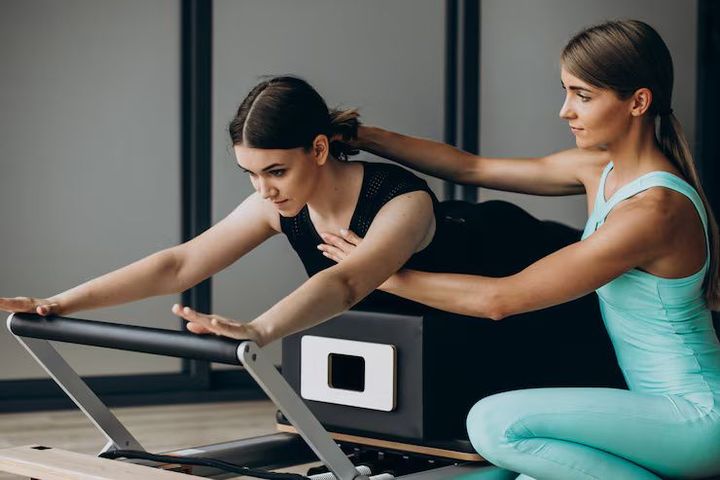
The foundation of Pilates lies in precise movements combined with breathing techniques. It focuses on slow, controlled exercises that target deep muscle groups, especially the core, including the abdomen, lower back, hips, and pelvis.
Pilates is designed to improve posture, balance, and muscular coordination. It is widely used in both fitness and rehabilitation settings due to its adaptable nature for different fitness levels.
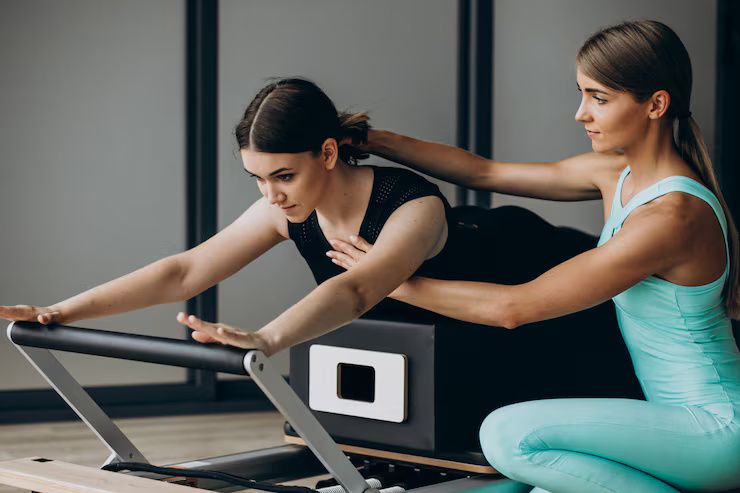
Types of Pilates
Common types of Pilates include:
-
Mat Pilates
-
Reformer Pilates
-
Clinical or rehabilitation Pilates
-
Contemporary Pilates variations
Each type follows the six core principles:
-
Alignment
-
Control
-
Concentration
-
Precision
-
Breathing
-
Flow
Why Pilates Matters in Modern Fitness and Health
Pilates has gained importance in today’s health-conscious environment, especially as sedentary lifestyles and posture-related issues increase. Many individuals spend long hours sitting or using digital devices, leading to physical strain.
This method is beneficial for a wide range of individuals:
-
Office workers with back and neck discomfort
-
Athletes improving flexibility and performance
-
Older adults maintaining mobility and balance
-
Individuals recovering from injuries
Common Problems Addressed by Pilates
Pilates helps manage several physical concerns:
-
Poor posture and spinal misalignment
-
Weak core muscles
-
Reduced flexibility
-
Muscle imbalances
-
Stress and lack of body awareness
A strong core supports the spine and improves movement efficiency. Pilates also promotes mental well-being through controlled breathing and mindful movement.
Recent Trends and Developments in Pilates (2024–2025)
Pilates has evolved with advancements in digital fitness and health technology. New trends have made it more accessible and engaging for users.
One key trend is the rise of virtual Pilates platforms. Many individuals now participate in guided sessions through mobile apps and online programs from home.
Key Developments
-
Use of wearable devices to track posture, breathing, and muscle engagement
-
Growth of hybrid fitness models combining in-person and digital tracking
-
Increased popularity of low-impact exercise programs
-
Expansion of rehabilitation-focused Pilates in physiotherapy settings
These developments highlight the shift toward sustainable and technology-supported fitness routines.
Regulations and Guidelines Affecting Pilates Practice
Pilates is not a regulated medical treatment, but certain guidelines influence its practice. These are especially important in structured environments like gyms and wellness centers.
In countries such as India, facilities must follow safety and hygiene standards set by local authorities.
Common Guidelines
-
Maintain safe exercise environments
-
Ensure proper equipment maintenance
-
Follow health and sanitation standards
For clinical Pilates, practitioners may follow healthcare protocols under professional supervision. Insurance and liability policies also support participant safety.
Tools and Resources for Learning and Practicing Pilates
Various tools and digital resources help individuals practice Pilates effectively. These tools support learning, tracking, and consistency.
Common Tools
-
Fitness tracking apps
-
Posture correction apps
-
Video-based exercise platforms
-
Smart wearables
-
Digital workout planners
Pilates Tools Comparison Table
| Tool Type | Purpose | Example Use Case |
|---|
| Fitness Apps | Track workouts and routines | Daily Pilates session logging |
| Wearable Devices | Monitor movement and posture | Real-time posture feedback |
| Online Video Platforms | Provide guided instruction | Learning beginner techniques |
| Smart Mats | Track balance and alignment | Improving exercise precision |
Basic Pilates Routine Structure
-
Warm-up exercises (5–10 minutes)
-
Core strengthening movements
-
Flexibility and stretching exercises
-
Cool-down and breathing exercises
Helpful Digital Resources
-
Educational fitness websites
-
Health and wellness blogs
-
Mobile apps with guided sessions
-
Online Pilates communities
Frequently Asked Questions
What is the main focus of Pilates?
Pilates focuses on strengthening the core muscles, improving flexibility, and enhancing body control through precise movements.
Is Pilates suitable for beginners?
Yes, Pilates is suitable for beginners because exercises can be modified according to fitness levels and physical conditions.
How often should Pilates be practiced?
Many individuals practice Pilates 2–4 times per week, depending on their goals and schedules.
Can Pilates help with posture improvement?
Pilates supports better posture by strengthening core muscles and improving spinal alignment over time.
What is the difference between Pilates and yoga?
Pilates focuses on core strength and controlled movement, while yoga often includes broader elements like meditation and spiritual practices.
Additional Insights on Core Strength Training
Core strength training is central to Pilates and supports overall physical health. The core includes muscles in the abdomen, lower back, hips, and pelvis.
Benefits of Strong Core Muscles
-
Improved balance and stability
-
Enhanced athletic performance
-
Reduced risk of injury
-
Better posture and alignment
Core Exercise Overview Table
| Exercise Type | Target Area | Benefit |
|---|
| Plank Variations | Abdominal muscles | Stability and endurance |
| Leg Raises | Lower core | Strength and control |
| Spine Stretch | Back muscles | Flexibility and posture |
Pilates exercises activate multiple muscle groups simultaneously, promoting coordinated movement and functional strength.
Conclusion
Pilates is a well-established exercise method that combines strength, flexibility, and mindful movement. Its adaptability makes it suitable for individuals across different fitness levels.
With growing awareness of posture-related issues and sustainable fitness, Pilates continues to gain popularity. Advances in digital tools and wearable technology have further improved accessibility and effectiveness.
Understanding Pilates principles and tools allows individuals to incorporate it safely into their routines. It remains a reliable approach for improving core strength, balance, and overall health.