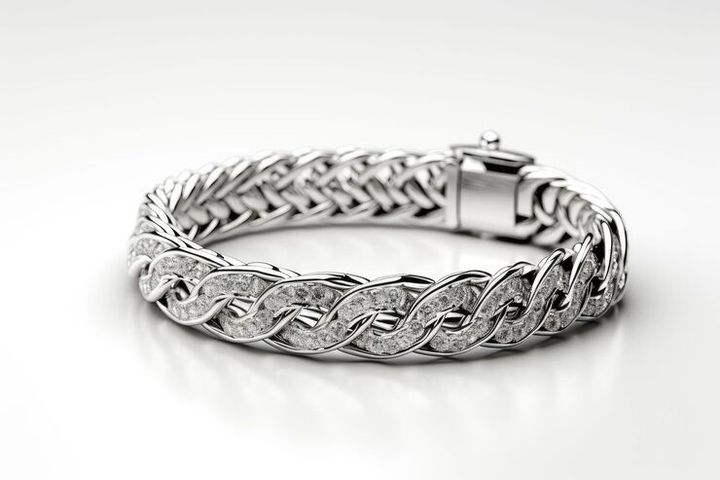
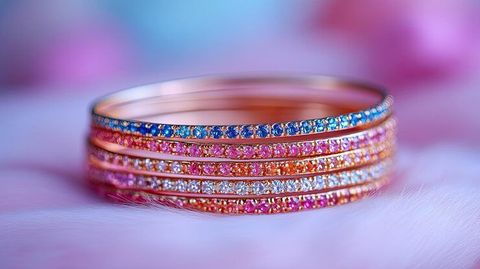
Platinum bracelets are widely recognized in the jewelry industry for their durability and refined appearance. This precious metal maintains its natural color over time and resists tarnishing, making it suitable for long-term use.
Because of its strength, platinum is often used in jewelry that requires structural stability. It is commonly chosen for bracelets that are worn daily and expected to retain their form and finish.
Types of Platinum Bracelet Designs
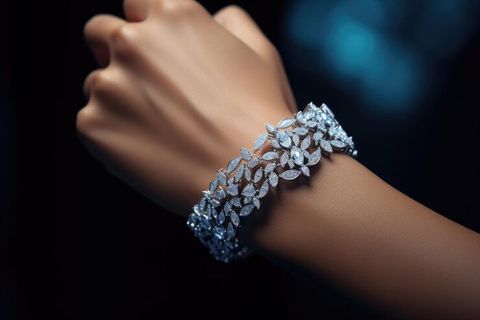
Platinum bracelets are available in a wide range of styles, allowing both modern and classic designs. Some focus on minimal metalwork, while others incorporate gemstones such as diamonds, sapphires, or emeralds.
Common Bracelet Styles
-
Chain bracelets
-
Bangle bracelets
-
Tennis bracelets with gemstone settings
-
Link bracelets
-
Cuff-style bracelets
These designs demonstrate how platinum can support both delicate and bold jewelry structures.
Why Platinum Bracelets Matter in Today’s Jewelry Landscape
Platinum bracelets remain relevant due to their physical properties and role in modern jewelry craftsmanship. The metal’s density and strength make it ideal for frequently worn items.
Another important factor is gemstone security. Platinum provides strong support for stones, helping keep them firmly in place within bracelet designs.
Key Benefits
-
High durability and resistance to wear
-
Secure gemstone settings
-
Natural color retention without plating
-
Hypoallergenic properties for sensitive skin
Platinum is also associated with sustainability trends. Many consumers prefer metals that do not require frequent chemical treatments or replating.
Industries Influenced
-
Jewelry designers and manufacturers
-
Gemologists and gemstone specialists
-
Luxury and fashion markets
-
Jewelry education institutions
These groups contribute to the continued relevance of platinum in the global jewelry sector.
Recent Developments and Design Trends in 2025
The jewelry industry has seen several advancements influencing platinum bracelet design. Digital technologies such as computer-aided design (CAD) allow for precise modeling before production.
Advanced casting techniques also enable more intricate patterns and efficient use of platinum. These innovations support both creativity and production efficiency.
Emerging Trends
-
Minimalist geometric bracelet designs
-
Mixed-metal combinations (platinum with gold)
-
Sustainable sourcing practices
-
High-precision gemstone micro-settings
International jewelry exhibitions in 2024 and 2025 highlighted growing demand for platinum jewelry, especially in Asian and European markets.
Sustainability and Traceability
-
Use of recycled precious metals
-
Transparent supply chain tracking systems
-
Ethical sourcing initiatives
These developments reflect the evolving expectations of modern consumers and industry standards.
Jewelry Regulations and Precious Metal Policies
Platinum jewelry is regulated through quality standards and hallmarking systems. These regulations help ensure authenticity and protect consumers.
In India, organizations like the Bureau of Indian Standards (BIS) provide guidelines for verifying precious metal quality. Similar frameworks exist globally.
Global Regulatory Frameworks
-
European hallmarking conventions
-
United States FTC jewelry guidelines
-
ISO quality standards
Platinum Purity Markings
| Platinum Purity Mark | Platinum Content |
|---|
| Pt950 | 95% Platinum |
| Pt900 | 90% Platinum |
| Pt850 | 85% Platinum |
These markings help identify the composition of platinum jewelry pieces.
Environmental policies also influence platinum mining, focusing on sustainability, water protection, and waste management.
Tools and Resources for Learning About Platinum Jewelry
Various tools and resources are available for understanding platinum bracelets and jewelry design. These support both professionals and learners in the field.
Common Tools
-
Jewelry CAD design software
-
Metal purity testing tools
-
Gemstone identification guides
-
Hallmark verification databases
Educational Resources
-
Online gemology courses
-
Jewelry design tutorials
-
Digital modeling platforms
-
Gemstone grading references
Jewelry Design Tools Overview
| Tool Type | Purpose |
|---|
| CAD Jewelry Software | Digital bracelet design and modeling |
| Gemstone Identification Tools | Recognizing gemstone types |
| Hallmark Databases | Verifying metal purity |
| Jewelry Education Platforms | Learning design and metalworking |
These tools combine traditional craftsmanship with modern digital techniques.
Jewelry Design Patterns and Structural Styles
Platinum bracelets vary in structural design, ranging from simple to complex forms. Designers often focus on symmetry, durability, and aesthetic appeal.
Common Structural Styles
| Bracelet Style | Design Characteristics |
|---|
| Chain Bracelet | Interlocking metal links |
| Tennis Bracelet | Continuous line of gemstones |
| Bangle Bracelet | Circular rigid structure |
| Cuff Bracelet | Open-ended metal band |
These structures highlight the versatility of platinum in jewelry design.
Common Questions About Platinum Bracelets
What makes platinum different from other metals?
Platinum is denser and more durable than many other metals. It also retains its natural white color without requiring plating.
What does a platinum purity mark mean?
A purity mark indicates the percentage of platinum in the jewelry. For example, Pt950 means the item contains 95% platinum.
Why is platinum used for gemstone settings?
Its strength helps secure gemstones firmly, making it ideal for designs with valuable stones.
Does platinum change color over time?
Platinum does not tarnish, but it may develop a patina over time. This is considered a natural characteristic rather than damage.
How should platinum jewelry be maintained?
-
Clean gently with mild solutions
-
Store properly to avoid scratches
-
Schedule periodic professional inspections
These steps help maintain the bracelet’s appearance and structure.
Conclusion
Platinum bracelets are a key segment of fine jewelry, valued for their durability, strength, and refined look. Their ability to support gemstones and maintain appearance makes them suitable for a variety of designs.
Recent advancements in digital design, sustainability practices, and traceability systems continue to shape the industry. At the same time, regulations ensure quality and authenticity in platinum products.
As jewelry design evolves, platinum remains an essential material that combines technical reliability with aesthetic appeal.