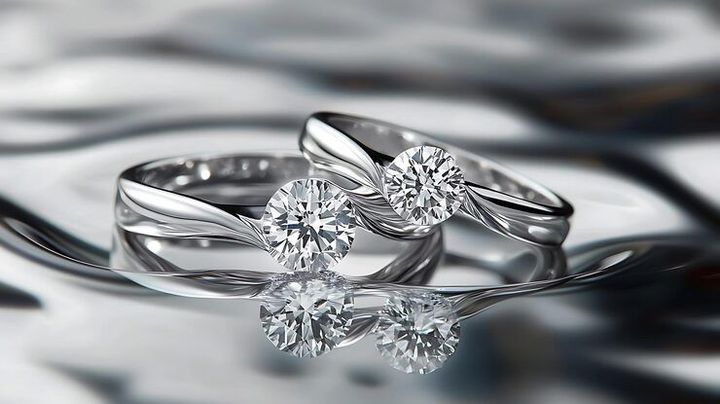
Platinum Engagement Rings Explained: Designs, Durability and Care Tips
Platinum engagement rings are a popular choice in fine jewelry due to their strength, rarity, and natural white appearance. Platinum is a dense and durable metal, often used to secure gemstones such as diamonds in engagement rings. Unlike other metals, platinum does not fade or change color over time, making it suitable for long-term wear.
Platinum engagement rings symbolize long-term commitment and durability. This metal is widely valued for its purity, typically around 95%, which sets it apart from other jewelry metals.
These rings are available in a wide variety of designs, ranging from simple to highly detailed styles. Modern craftsmanship techniques ensure both aesthetic appeal and structural strength.
Common Design Styles
Platinum rings are crafted in several popular styles to suit different preferences:
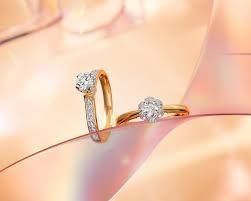
- Solitaire settings with a single gemstone
- Halo designs featuring smaller surrounding stones
- Three-stone rings symbolizing past, present, and future
- Vintage-style rings with engraved details
- Minimalist bands with clean, modern lines
Each design benefits from platinum’s strength and long-lasting nature.
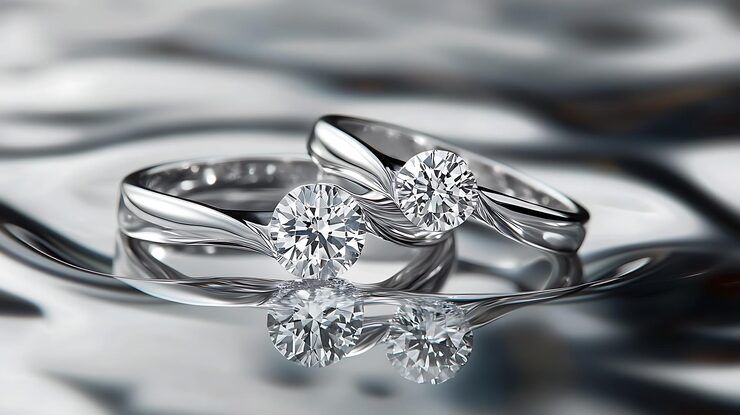
Why Platinum Engagement Rings Matter Today
Platinum remains highly relevant due to its durability and natural appearance. It resists tarnishing and corrosion, making it ideal for everyday wear.
The metal is also hypoallergenic, which makes it suitable for individuals with sensitive skin. Its ability to securely hold gemstones adds to its practicality.
Key Benefits
Platinum addresses several common concerns in jewelry:
- High resistance to corrosion and tarnish
- Strong grip for securing gemstones
- Natural white color that doesn’t require plating
- Develops a patina instead of wearing away
Who Benefits from Platinum Rings
Different groups find platinum particularly useful:
- Buyers seeking long-lasting jewelry
- Designers working with premium materials
- Jewelers handling high-purity metals
- Individuals with skin sensitivities
Sustainability is another factor driving its popularity. Platinum is recyclable and reduces the need for frequent replacements.
Recent Trends and Updates in 2025
Platinum engagement rings have evolved with changing consumer preferences and technology. One major trend is the pairing of platinum with lab-grown diamonds, reflecting sustainability awareness.
Advanced design technologies have also improved customization options. 3D modeling and printing allow for precise and intricate designs.
Key Trends (2024–2025)
- Increased demand for minimalist and geometric designs
- Growth in custom-designed rings using digital tools
- Expanded use of recycled platinum
- Improved polishing techniques for better finish
Lightweight platinum designs are also gaining popularity. These designs maintain strength while improving comfort for daily wear.
Laws and Regulations Affecting Platinum Jewelry
Platinum jewelry is regulated to ensure authenticity and quality. In India, the Bureau of Indian Standards (BIS) oversees hallmarking requirements.
Common purity markings include:
- Pt950 (95% platinum)
- Pt900 (90% platinum)
Global Standards
Platinum jewelry must comply with:
- International hallmarking standards
- Consumer protection laws for material disclosure
- Environmental regulations in mining and refining
These regulations promote transparency and ethical sourcing.
Benefits of Compliance
- Ensures product authenticity
- Builds consumer trust
- Supports environmental responsibility
- Encourages ethical sourcing practices
Tools and Resources for Understanding Platinum Rings
Various tools can help consumers better understand platinum rings. These resources make it easier to compare materials and visualize designs.
Useful Tools
- Jewelry design software for customization
- Ring size charts and measuring tools
- Metal comparison guides
- Gemstone grading references
- CAD-based design platforms
Metal Comparison Table
| Feature | Platinum | White Gold | Yellow Gold |
|---|---|---|---|
| Purity Level | High (90–95%) | Moderate | Moderate |
| Color Stability | Natural White | Requires plating | Natural Yellow |
| Durability | Very High | High | Moderate |
| Maintenance Needs | Low | Moderate | Low |
Basic Care Checklist
- Clean regularly with mild soap and water
- Avoid harsh chemicals
- Store separately to prevent scratches
- Inspect prongs periodically
Frequently Asked Questions
What makes platinum different from white gold?
Platinum is naturally white and does not need plating. White gold requires rhodium coating to maintain its color.
Is platinum suitable for daily wear?
Yes, platinum is highly durable and ideal for everyday use. It withstands regular exposure without significant wear.
Does platinum scratch easily?
Platinum can develop surface scratches, but it does not lose material. Instead, it forms a patina over time.
How should a platinum ring be cleaned?
Use mild soap, warm water, and a soft brush. Regular cleaning helps maintain its appearance.
Are platinum rings hypoallergenic?
Yes, platinum is generally safe for sensitive skin and rarely causes allergic reactions.
Additional Insights on Design and Durability
Platinum is denser than most jewelry metals, giving it a solid and premium feel. This density contributes to its long-term durability.
Modern designs focus on both functionality and appearance.
Design Considerations
- Low-profile settings reduce snagging
- Bezel settings protect gemstones
- Open gallery designs enhance light reflection
Durability Factors Table
| Factor | Impact on Longevity |
|---|---|
| Metal Purity | High |
| Setting Type | Moderate |
| Daily Wear Exposure | High |
| Maintenance Routine | High |
Conclusion
Platinum engagement rings offer a combination of durability, elegance, and reliability. Their natural white color and resistance to wear make them suitable for long-term use.
With advancements in technology and a growing focus on sustainability, platinum continues to be a preferred choice. Understanding its properties and care requirements helps consumers make informed decisions.