Pollution Control Machinery for Manufacturing: Information and Tips
Manufacturing industries play an important role in economic growth, but they also produce emissions, wastewater, dust, and industrial waste that can affect air, water, and soil quality. Pollution Control Machinery for Manufacturing helps industries reduce environmental impacts by treating or controlling pollutants before they are released. Modern systems are designed to support cleaner production while meeting environmental standards and improving operational efficiency.
As industries continue adopting advanced production methods, pollution control equipment has become an essential part of manufacturing facilities. New technologies, automation, and monitoring systems are improving the effectiveness of pollution management. Understanding how these systems work, the regulations that guide their use, and the available resources helps manufacturers make informed environmental decisions.
Context
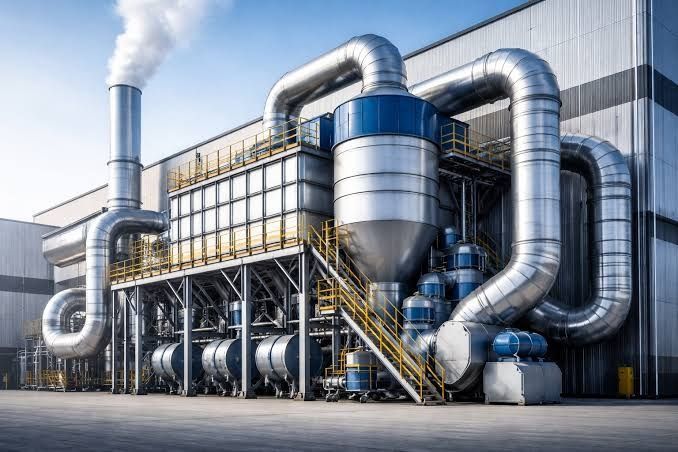
Pollution Control Machinery for Manufacturing refers to equipment and systems designed to reduce or eliminate pollutants generated during industrial production. These machines help control emissions released into the air, remove contaminants from wastewater, manage industrial dust, and process solid waste before disposal or recycling.
Manufacturing industries such as metal processing, chemical production, food processing, pharmaceuticals, cement, textiles, plastics, and automotive production commonly use pollution control equipment. The primary objective is to minimize environmental impact while supporting safe industrial operations.
Common Types of Pollution Control Machinery
Some of the most widely used equipment includes:
- Dust collection systems
- Baghouse filters
- Electrostatic precipitators
- Wet scrubbers
- Industrial air filtration systems
- Wastewater treatment equipment
- Oil-water separators
- Industrial effluent treatment plants
- Activated carbon filtration systems
- Industrial noise control equipment
Each system is designed for specific pollutants and manufacturing processes.
| Pollution Type | Common Machinery | Primary Purpose |
|---|---|---|
| Air emissions | Baghouse filters, scrubbers | Remove dust and harmful gases |
| Wastewater | Effluent treatment systems | Treat contaminated water |
| Dust | Dust collectors | Capture airborne particles |
| Solid waste | Waste handling equipment | Process industrial waste |
| Odor | Carbon filtration systems | Reduce unpleasant industrial odors |
Importance
Pollution control machinery supports both environmental protection and responsible manufacturing. Without proper treatment systems, industrial emissions may affect nearby communities, natural ecosystems, and workplace safety.
Manufacturers benefit from pollution control equipment by improving operational consistency, reducing waste generation, and supporting compliance with environmental regulations. Efficient systems can also improve resource utilization by recovering reusable materials from production processes.
Industries affected include:
- Heavy manufacturing
- Chemical processing
- Pharmaceutical production
- Food manufacturing
- Mining operations
- Steel production
- Power generation
- Textile manufacturing
- Paper and pulp industries
Communities also benefit through improved air quality, cleaner water resources, and reduced environmental pollution.
Key Benefits
Modern pollution control systems help manufacturers:
- Reduce harmful emissions
- Improve workplace air quality
- Support environmental compliance
- Improve waste management practices
- Increase monitoring accuracy through automation
- Improve operational sustainability
Recent Updates
Between 2024 and 2026, pollution control technology has continued to evolve with increased use of digital monitoring, automation, and energy-efficient equipment.
Several manufacturing facilities are adopting Industrial Internet of Things (IIoT) sensors that continuously monitor emissions and equipment performance. Real-time monitoring allows operators to detect issues earlier and maintain consistent environmental performance.
Artificial intelligence is also becoming more common in pollution management. AI-assisted monitoring can analyze equipment performance, identify maintenance requirements, and optimize filtration efficiency.
Manufacturers are increasingly integrating energy-efficient filtration systems that reduce electricity consumption while maintaining pollutant removal efficiency. Compact modular treatment units have also become more popular because they are easier to integrate into existing production facilities.
Growing interest in circular economy practices has encouraged industries to recover water, chemicals, and reusable materials during manufacturing. This reduces waste while supporting better resource utilization.
Digital reporting systems are also becoming more common as environmental agencies increasingly accept electronic compliance documentation and continuous emissions reporting.
Laws or Policies
Environmental regulations vary by country, but most industrial pollution control requirements share similar objectives. They aim to reduce emissions, protect public health, and preserve natural resources.
Manufacturing facilities are generally required to monitor emissions, maintain pollution control equipment, and document environmental performance according to applicable regulations.
Examples of regulatory areas include:
- Air quality standards
- Industrial wastewater discharge regulations
- Hazardous waste management requirements
- Noise pollution regulations
- Chemical handling standards
- Environmental impact assessment requirements
Many countries require industries to obtain environmental approvals before starting major manufacturing operations and conduct periodic environmental monitoring.
International standards such as ISO 14001 Environmental Management Systems are widely recognized frameworks that help organizations establish structured environmental management practices.
Governments also continue encouraging cleaner manufacturing technologies through environmental improvement initiatives, technical guidance, and sustainability programs that promote pollution reduction.
Tools and Resources
Manufacturers, engineers, and environmental professionals use various tools to evaluate pollution control performance and maintain compliance.
Useful resources include:
- Government environmental agency websites
- Environmental reporting portals
- Air emission calculators
- Wastewater calculation worksheets
- Stack emission monitoring guidelines
- ISO environmental management documentation
- Industrial environmental audit templates
- Equipment maintenance checklists
- Energy efficiency assessment tools
- Environmental monitoring software platforms
These resources assist organizations in tracking emissions, maintaining documentation, improving equipment performance, and understanding environmental requirements.
Industry associations, research institutions, and technical publications also provide educational material covering pollution prevention, industrial sustainability, and emerging environmental technologies.
FAQs
What is Pollution Control Machinery for Manufacturing?
It refers to industrial equipment that reduces pollutants generated during manufacturing processes, including air emissions, wastewater, industrial dust, and waste materials.
Why is pollution control machinery important?
It helps reduce environmental pollution, supports workplace safety, improves operational efficiency, and assists manufacturers in meeting environmental regulations.
Which industries commonly use pollution control equipment?
Industries including chemical manufacturing, pharmaceuticals, food processing, textiles, metals, mining, power generation, automotive manufacturing, and cement production commonly use these systems.
What are the latest trends in pollution control technology?
Recent developments include AI-assisted monitoring, IIoT sensors, energy-efficient filtration systems, digital emissions reporting, modular treatment equipment, and improved wastewater recycling technologies.
How should pollution control equipment be maintained?
Regular inspections, filter replacement, sensor calibration, preventive maintenance, equipment cleaning, and performance monitoring help maintain reliable operation and environmental effectiveness.
Conclusion
Pollution Control Machinery for Manufacturing plays an essential role in reducing industrial emissions and protecting environmental quality. Modern manufacturing increasingly depends on advanced filtration, wastewater treatment, and monitoring technologies to improve sustainability and regulatory compliance. Continued technological innovation between 2024 and 2026 is making pollution control systems more efficient, data-driven, and environmentally responsible. Understanding available equipment, applicable regulations, and practical resources helps manufacturers support cleaner industrial operations and long-term environmental stewardship.