Explore CNC Laser Technology: Complete Information
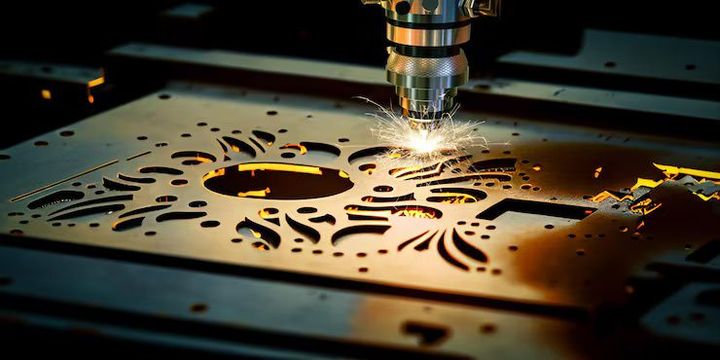
CNC laser technology has transformed modern manufacturing by combining computer-controlled precision with high-powered laser systems.
It is widely used to cut, engrave, and mark materials with remarkable accuracy across many industries. From metal fabrication to sign making, CNC laser machines help produce consistent and detailed results.
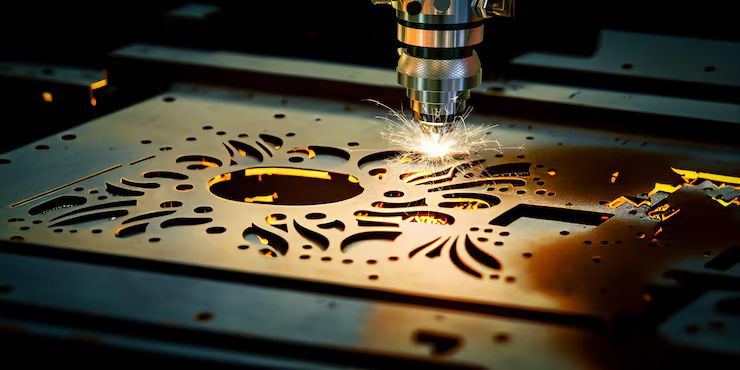
As industries continue to adopt automation, CNC laser technology plays a growing role in improving production quality and reducing material waste. Understanding how this technology works, where it is used, and the latest developments can help students, professionals, and businesses stay informed about modern manufacturing methods.
Context
CNC laser technology combines Computer Numerical Control (CNC) systems with laser equipment to perform precise cutting, engraving, and marking operations. A computer program controls the movement of the laser head based on digital design files, allowing highly accurate production.
The term CNC refers to automated machine control through programmed instructions. The laser generates a focused beam of light that can cut, engrave, or mark different materials depending on the machine type and laser source.
Common laser types include:
- Fiber lasers for metals
- CO₂ lasers for wood, acrylic, leather, and plastics
- UV lasers for delicate marking applications
The technology is widely used because it can create detailed designs with minimal physical contact between the machine and the material.
Common Applications
CNC laser technology is commonly found in:
- Metal fabrication
- Automotive manufacturing
- Aerospace components
- Electronics production
- Medical device manufacturing
- Jewelry engraving
- Educational laboratories
- Architectural models
- Advertising and signage
CNC Laser Technology Overview
| Feature | Information |
|---|---|
| Technology | Computer Numerical Control with laser beam |
| Main Functions | Cutting, engraving, marking |
| Common Laser Types | Fiber, CO₂, UV |
| Materials | Metal, wood, acrylic, plastic, leather, glass (selected applications) |
| Control Method | Computer programming (CAD/CAM files) |
| Industries | Manufacturing, medical, electronics, automotive, education |
Importance
CNC laser technology is important because it enables precise manufacturing with repeatable results. Computer-controlled automation reduces manual errors and allows manufacturers to produce identical components efficiently.
Many industries rely on laser processing because it supports complex designs that may be difficult using traditional machining methods.
Benefits include:
- High cutting precision
- Consistent product quality
- Reduced material waste
- Faster production for many applications
- Ability to create detailed patterns
- Minimal tool wear due to non-contact processing
The technology affects a wide range of users, including:
- Manufacturing companies
- Product designers
- Engineers
- Educational institutions
- Research organizations
- Small fabrication workshops
As digital manufacturing expands, CNC laser systems continue to become an important part of modern production environments.
Recent Updates
Between 2024 and 2026, CNC laser technology has continued to evolve through improvements in automation, software integration, and energy efficiency.
Manufacturers are increasingly connecting CNC laser machines with Industry 4.0 systems. These connected production environments allow operators to monitor machine performance, production data, and maintenance information in real time.
Artificial intelligence is also beginning to assist with production planning. Some modern software can automatically optimize cutting paths, improve nesting layouts, and reduce material waste.
Fiber laser technology continues to improve in efficiency and cutting capability, especially for processing different metal thicknesses. Machine manufacturers are also introducing systems with enhanced motion control for smoother operation and improved precision.
Other notable developments include:
- Increased automation using robotic loading systems
- Better CAD/CAM software integration
- Improved predictive maintenance tools
- Enhanced operator safety monitoring
- Energy-efficient laser sources
- Cloud-connected production management
These trends reflect the broader movement toward smart manufacturing and digital production systems.
Laws or Policies
The use of CNC laser technology is supported by workplace safety standards, manufacturing regulations, and technical guidelines. Requirements vary between countries, industries, and applications.
Organizations using laser equipment generally follow occupational health and safety regulations to protect workers from laser exposure, electrical hazards, and machine-related risks.
Common Regulatory Areas
Typical regulations may include:
- Laser safety classifications
- Protective eyewear requirements
- Machine guarding standards
- Electrical safety regulations
- Ventilation requirements
- Fire prevention procedures
- Employee safety training
- Environmental compliance for industrial emissions
International standards published by organizations such as the International Organization for Standardization (ISO) and the International Electrotechnical Commission (IEC) provide technical guidance for machine safety and laser equipment.
Businesses should also follow local government regulations and workplace safety requirements applicable in their region.
Tools and Resources
Several digital tools help users learn, design, and operate CNC laser systems more effectively.
Useful resources include:
- CAD software for creating technical drawings
- CAM software for generating machine instructions
- Material compatibility charts
- Laser parameter reference guides
- Machine maintenance checklists
- Industrial safety manuals
- Technical training platforms
- Manufacturer documentation
Many engineering organizations also publish educational materials covering laser processing principles, manufacturing standards, and production best practices.
When selecting learning resources, it is helpful to review information from recognized educational institutions, standards organizations, and equipment manufacturers.
FAQs
What is CNC laser technology?
CNC laser technology is a manufacturing process that uses computer-controlled laser equipment to cut, engrave, or mark materials with high precision.
What materials can CNC laser machines process?
Depending on the laser type, machines can process metals, wood, acrylic, leather, plastics, paper, fabric, and selected glass applications.
Is CNC laser technology suitable for small businesses?
Many small workshops and educational facilities use compact CNC laser machines for prototype development, engraving, and light manufacturing tasks.
How accurate are CNC laser machines?
Modern CNC laser systems can achieve extremely precise cuts when properly calibrated, although actual accuracy depends on machine quality, material type, and operating conditions.
What skills are useful for learning CNC laser technology?
Basic computer knowledge, CAD design, manufacturing principles, machine safety, and understanding of CNC programming are valuable skills for working with laser systems.
Conclusion
CNC laser technology has become an essential part of modern manufacturing by combining digital automation with highly accurate laser processing. Its applications continue to expand across industries ranging from engineering to healthcare and education.
Advances between 2024 and 2026 show continued progress in automation, smart manufacturing, and software integration. As technology develops, CNC laser systems are expected to remain an important tool for precision manufacturing.
Understanding CNC laser technology helps students, engineers, manufacturers, and technology enthusiasts appreciate how computer-controlled production supports today's industrial landscape.
Following recognized safety standards, using reliable educational resources, and staying informed about industry developments can help organizations and individuals make effective use of this evolving technology.