Industrial Bakery Machinery Basics for Understanding Modern Bakery Systems
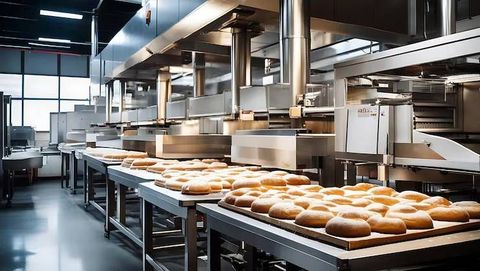
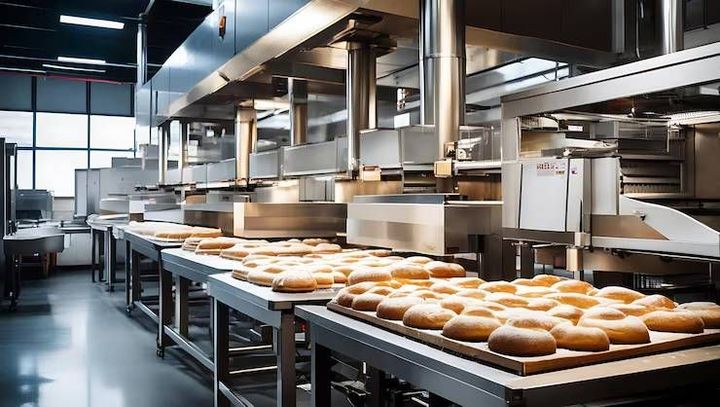
Industrial bakery machinery plays an important role in producing bread, cakes, biscuits, pastries, and other baked foods on a large scale. These machines help manage essential stages of production, including ingredient mixing, dough preparation, shaping, baking, cooling, and packaging.
Understanding industrial bakery machinery basics helps readers learn how modern bakery systems operate and how equipment supports consistent food production.
Modern bakery systems combine mechanical equipment, temperature controls, automated processes, and quality monitoring methods. From small production facilities to large industrial bakeries, machinery is selected according to the type of product, production volume, available space, and food safety requirements.
Context of Industrial Bakery Machinery
Industrial bakery machinery refers to the equipment used to prepare, process, bake, cool, and handle bakery products in commercial or industrial environments. These systems reduce the need for repetitive manual tasks and help maintain consistent production conditions.
Traditional bakeries relied heavily on manual mixing, shaping, and oven management. As demand for packaged bakery products increased, manufacturers developed specialized machines that could process larger quantities of dough and batter with greater control over time, temperature, and product dimensions.
A modern bakery production line may contain several connected machines. Each machine performs a particular function, while the complete system coordinates the movement of ingredients and products between stages.
Common types of industrial bakery machinery include:
Dough mixers for combining flour, water, yeast, and other ingredients.
Dough dividers and moulders for portioning and shaping dough.
Proofing chambers for controlling the conditions required for dough fermentation.
Industrial ovens for baking products at controlled temperatures.
Cooling conveyors for reducing product temperature after baking.
Packaging machines for enclosing finished products in suitable materials.
The machinery used depends on whether a facility produces bread, biscuits, cakes, crackers, or frozen bakery items. Different products require different processing methods and operating conditions.
Importance of Industrial Bakery Machinery
Industrial bakery machinery matters because bakery production requires consistent ingredients, controlled processing conditions, and reliable hygiene practices. Equipment can help manufacturers manage large production volumes while reducing repetitive handling and improving process consistency.
For example, an automated dough divider can portion dough into similar-sized pieces. A controlled oven can maintain a suitable baking environment, while a cooling conveyor helps prevent moisture accumulation before packaging.
Several groups benefit from understanding these systems:
Bakery operators who supervise daily production.
Food technologists who develop recipes and processing methods.
Maintenance teams responsible for equipment performance.
Quality control professionals who monitor product consistency.
Food safety personnel who oversee sanitation and hygiene procedures.
Machinery selection also affects energy consumption, production layout, cleaning routines, and employee safety. Poorly coordinated equipment may create bottlenecks, excessive product handling, or uneven production flow.
A properly planned system considers the complete process rather than evaluating each machine independently. Equipment capacity, operating speed, cleaning requirements, and product characteristics should work together to support the intended production process.
Recent Updates in Industrial Bakery Machinery
Industrial bakery systems continue to develop through automation, digital monitoring, improved energy management, and more flexible production designs. These developments help facilities monitor operating conditions and identify problems before they significantly affect production.
Automation is increasingly used for ingredient dosing, dough handling, oven control, and packaging. Sensors can monitor variables such as temperature, humidity, conveyor speed, and equipment vibration. When connected to suitable control systems, this information helps operators identify deviations and make adjustments.
Another development is the use of digital monitoring tools. Some systems record operating data and maintenance events, helping teams understand equipment performance over time. Predictive maintenance methods can use sensor readings to identify possible equipment problems before a breakdown occurs.
Energy efficiency is also an important consideration. Insulated ovens, improved heat distribution, variable-speed motors, and better process controls can help reduce unnecessary energy consumption when properly designed and operated.
The following table summarizes common developments in bakery machinery.
Development | Main purpose | Practical consideration |
|---|---|---|
Automated ingredient dosing | Improve measurement consistency | Requires accurate calibration |
Digital oven controls | Monitor baking conditions | Sensors need regular verification |
Conveyor automation | Coordinate product movement | Layout affects production flow |
Predictive maintenance | Identify potential equipment faults | Depends on useful operating data |
Energy-efficient ovens | Manage heat use | Performance depends on process conditions |
Flexible production lines | Support different product types | Changeovers require careful planning |
These technologies do not eliminate the need for trained operators. Human supervision remains important for checking product quality, verifying sanitation, responding to equipment faults, and maintaining safe working conditions.
Laws or Policies for Industrial Bakery Machinery
Industrial bakery operations must follow applicable food safety, machinery safety, workplace health, and environmental requirements. The exact rules depend on the country, the facility, the equipment, and the products being manufactured.
In India, the Food Safety and Standards Authority of India (FSSAI) establishes food safety requirements under the Food Safety and Standards Act, 2006, and related regulations. Bakery facilities must consider applicable licensing, hygiene, sanitation, and food manufacturing requirements.
Relevant areas of compliance include:
Food-contact surfaces must be suitable for their intended use and maintained in hygienic condition.
Cleaning and sanitation procedures should address equipment surfaces, conveyors, mixers, and production areas.
Machinery must be operated and maintained according to appropriate safety procedures.
Employees should receive suitable training for equipment operation and emergency response.
Packaging and product handling must meet applicable food safety and labelling requirements.
Workplace safety requirements may cover moving machine parts, electrical hazards, hot ovens, steam, noise, and emergency stops. Guards and other protective measures should remain in place during operation.
Environmental requirements may also apply to fuel use, emissions, wastewater, and waste management, depending on the facility and its location.
Internationally, the Codex Alimentarius General Principles of Food Hygiene provide a useful framework for hygienic food production. HACCP-based procedures can help identify and control hazards throughout the manufacturing process.
Businesses should consult current official regulations and qualified compliance professionals to determine which requirements apply to their operations. Requirements may change, and not every standard applies to every machine or facility.
Tools and Resources for Understanding Bakery Machinery
Several technical resources help readers understand industrial bakery machinery, production planning, food safety, and equipment maintenance. Official regulatory publications and technical documentation are useful starting points because they provide information about operating requirements and recommended practices.
Useful resources include:
FSSAI publications: Information about food safety regulations and hygiene requirements in India.
Codex Alimentarius: International food hygiene principles and HACCP guidance.
Equipment manuals: Instructions for installation, operation, cleaning, troubleshooting, and preventive maintenance.
Process flow diagrams: Visual or text-based representations of ingredient movement and production stages.
Maintenance checklists: Records of inspections, lubrication, calibration, and component replacement.
Energy monitoring spreadsheets: Tools for recording electricity or fuel consumption across production stages.
A basic machinery assessment can also help compare equipment requirements before planning a production line.
Assessment area | Questions to consider |
|---|---|
Product type | Is the equipment suitable for bread, cakes, biscuits, or pastries? |
Production capacity | How much product must be processed per hour? |
Space and layout | Can materials move through the facility efficiently? |
Hygiene | Are food-contact areas accessible for cleaning? |
Energy use | What electricity or fuel does the equipment require? |
Maintenance | Are inspections and replacement parts manageable? |
Safety | Are guards, emergency stops, and operating instructions available? |
These tools help teams organize technical information and identify gaps in production planning. Equipment specifications should always be checked against actual product requirements and operating conditions.
FAQs About Industrial Bakery Machinery
1. What is industrial bakery machinery?
Industrial bakery machinery includes equipment used to mix ingredients, prepare dough, shape products, bake food, cool finished items, and package bakery products in commercial production environments.
2. What are the main types of bakery machines?
Common types include dough mixers, dividers, moulders, proofing chambers, industrial ovens, cooling conveyors, and packaging equipment. The required combination depends on the products being manufactured.
3. How does automation help modern bakery systems?
Automation can improve process consistency, coordinate production stages, reduce repetitive manual handling, and help operators monitor important variables such as temperature, speed, and ingredient quantities.
4. How can bakery machinery support food safety?
Suitable equipment design, accessible cleaning surfaces, controlled processing conditions, regular maintenance, and documented sanitation procedures can help reduce contamination risks. Machinery alone cannot replace a complete food safety system.
5. What should be considered when planning a bakery production line?
Important factors include product type, production capacity, available space, energy requirements, cleaning procedures, operator safety, maintenance needs, and applicable regulatory requirements.
Conclusion
Industrial bakery machinery forms the foundation of many modern bakery production systems. Understanding mixers, shaping equipment, proofing chambers, ovens, cooling conveyors, and packaging machines provides useful knowledge about how ingredients become finished bakery products. Automation and digital monitoring can improve consistency, but effective results still depend on suitable equipment selection, trained personnel, and careful process control.
Food safety and machinery safety must remain central to bakery operations. Facilities should maintain hygienic equipment, follow applicable regulations, and establish clear inspection and maintenance routines.
As bakery technology continues to develop, knowledge of industrial bakery machinery basics will remain valuable for understanding production efficiency, product quality, energy management, and safe food manufacturing practices.