Powder Technologies Guide: Production, Handling, and Processing
Powder technologies play an important role in many industries, even though most people rarely think about them. From food products and pharmaceuticals to construction materials and advanced manufacturing, powders are used in countless everyday applications. The way these fine particles are produced, handled, processed, and transformed can significantly influence product quality, safety, and performance.
As industries continue to improve efficiency and material performance, powder technologies have become increasingly important. Advances in equipment, automation, and material science have allowed manufacturers and researchers to work with powders more precisely than ever before. Whether creating medicines, producing metal components, or developing new materials, understanding powder technology helps explain how many modern products are made.

What Is Powder Technology?
Powder technology is the study and application of fine solid particles. It focuses on how powders are created, stored, transported, mixed, compacted, and processed into finished products.
A powder consists of many small particles that can behave differently from larger solid materials. Because powders can flow, settle, compress, and react in unique ways, they require specialized handling methods.
The field combines elements of physics, chemistry, engineering, and material science. Researchers and industry professionals examine factors such as particle size, shape, density, moisture content, and flow characteristics to achieve desired results.
Why Powders Matter in Everyday Life
Many common products begin as powders or contain powdered ingredients. These include:
- Flour and baking ingredients
- Instant beverages
- Pharmaceutical tablets
- Cosmetic products
- Fertilizers
- Detergents
- Paint pigments
- Construction materials
- Metal components
- Battery materials
The properties of a powder often determine how well a product performs. For example, the consistency of a medicine tablet may depend on how evenly powder ingredients are mixed before manufacturing.
Key Characteristics of Powders
Understanding powder behavior starts with examining several important characteristics.
Particle Size
Particle size affects how powders flow, mix, and react. Smaller particles generally provide a larger surface area, which can influence chemical reactions and processing efficiency.
Particle Shape
Particles may be spherical, irregular, flaky, or needle-like. Shape affects packing density, movement, and handling.
Density
Powder density refers to how much material is contained within a given volume. Density influences storage, transportation, and manufacturing processes.
Flowability
Flowability describes how easily a powder moves. Some powders flow smoothly, while others tend to clump or stick together.
Moisture Content
Even small amounts of moisture can change powder behavior. Moisture may affect flow, stability, and product quality.
How Powders Are Produced
Different methods are used to create powders depending on the material and intended application.
Mechanical Grinding
Large solid materials can be broken down into smaller particles through crushing, milling, or grinding processes.
This approach is commonly used for minerals, pigments, and certain food ingredients.
Spray Drying
Spray drying transforms liquid materials into powders by spraying fine droplets into a heated environment. As the liquid evaporates, dry particles remain.
This technique is frequently used in food and pharmaceutical production.
Atomization
Atomization involves converting molten material into tiny droplets that solidify into powder particles.
Metal powders used in manufacturing are often produced using this method.
Chemical Processes
Certain powders are formed through chemical reactions that create fine particles directly from raw materials.
This approach is often used for specialty materials and advanced applications.
Powder Handling and Storage
Once powders are produced, they must be handled carefully to maintain quality and consistency.
Storage systems are designed to protect materials from moisture, contamination, and environmental conditions. Containers, silos, and sealed packaging help preserve powder characteristics.
Transportation systems may include conveyors, pneumatic transfer systems, and automated equipment that move powders efficiently while minimizing material loss.
Proper handling is important because powders can behave unpredictably under certain conditions. Factors such as humidity, temperature, and vibration may influence their performance.
Mixing and Blending Powders
Many products require multiple powder ingredients to be combined uniformly.
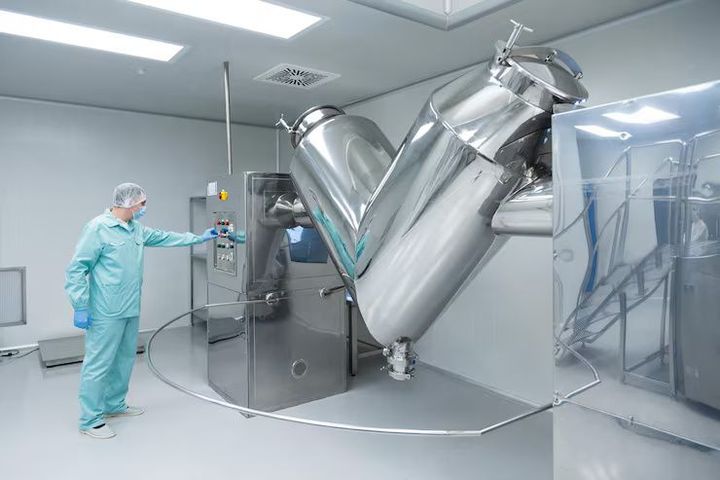
Mixing processes help distribute ingredients evenly throughout a batch. Consistent blending is especially important in applications such as pharmaceuticals, food production, and specialty materials.
Several factors influence mixing quality:
- Particle size differences
- Density variations
- Moisture levels
- Mixing time
- Equipment design
Careful control of these variables helps ensure that each portion of the final product contains the intended composition.
Powder Compaction and Forming
In many manufacturing processes, powders are transformed into solid shapes.
Compaction involves applying pressure to powders, causing particles to pack closely together. The resulting shape may then undergo additional processing.
Examples include:
- Pharmaceutical tablets
- Ceramic components
- Metal parts
- Electronic materials
The ability to form complex shapes from powders has made powder-based manufacturing an important area of modern industry.
Powder Technologies in Manufacturing
Manufacturing applications continue to expand as new materials and production methods emerge.
Metal Powder Processing
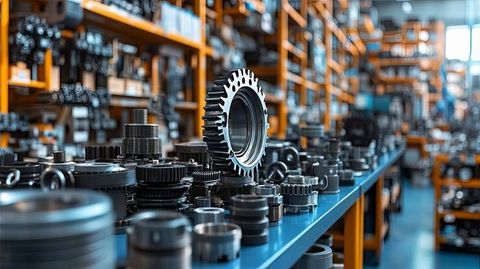
Metal powders are used to create components for automotive, aerospace, medical, and industrial applications.
Powder-based methods allow manufacturers to produce parts with precise dimensions and complex geometries.
Additive Manufacturing
Additive manufacturing, often associated with industrial 3D printing, frequently uses powdered materials.
Layer by layer, powder particles are combined to create finished components with detailed designs that may be difficult to achieve through traditional methods.
Advanced Materials
Researchers use powder technologies to develop innovative materials with specific properties such as improved strength, conductivity, or thermal resistance.
These materials contribute to developments in energy storage, electronics, transportation, and environmental technologies.
Safety Considerations
Working with powders requires attention to safety practices.
Some powders may create airborne particles that require proper ventilation and dust-control measures. Others may react to environmental conditions such as moisture or temperature changes.
Important safety considerations include:
- Dust management
- Air quality monitoring
- Equipment maintenance
- Material compatibility
- Worker training
- Storage controls
Modern facilities often use automated monitoring systems to help maintain safe operating conditions.
Emerging Trends in Powder Technology
Powder technology continues to evolve alongside advancements in manufacturing and material science.
Automation and Digital Monitoring
Smart sensors and digital monitoring systems provide real-time information about powder flow, mixing, and processing conditions.
Sustainable Manufacturing
Industries are exploring ways to reduce waste and improve material efficiency through advanced powder processing techniques.
Advanced Battery Materials
The growing demand for energy storage has increased research into powdered materials used in battery production.
Precision Material Engineering
Researchers are developing powders with highly controlled particle characteristics to improve product performance across various applications.
These developments demonstrate how powder technologies remain a dynamic field supporting innovation across multiple industries.
The Future of Powder Technologies
As industries continue to seek improved efficiency, material performance, and sustainability, powder technologies are expected to remain an essential part of modern manufacturing and product development.
Advances in automation, material characterization, and process control are enabling greater precision throughout the powder production cycle. At the same time, emerging applications in energy, healthcare, electronics, and advanced manufacturing continue to create new opportunities for innovation.
Although powders may appear simple, the science behind them is complex and influential. Understanding how powders behave and how they are processed provides valuable insight into many products and technologies that shape everyday life.
From food ingredients and medicines to industrial materials and next-generation manufacturing techniques, powder technologies help connect scientific research with practical applications across the global economy.