Premium Perfume Brands: A Guide to Luxury Fragrance Collections
The world of premium perfume brands is rich with history, artistry, and innovation, offering a luxurious experience for those who appreciate the finer scents in life. From the complex mixtures of natural essences to the exquisite design of their bottles, these perfumes represent more than just a fragrance; they embody a higher level of craftsmanship and prestige. This article endeavors to explore the educational aspects of high-end fragrances, guiding you through the elements that contribute to their status and allure.
Luxury perfumes often begin their life as an idea or a feeling that the perfumer wants to evoke. Many well-known brands have long-standing traditions, sometimes spanning centuries, which are deeply embedded in their identity. These traditions often include the way the perfumes are crafted, the sourcing of rare ingredients, and the secrets passed down through generations. Understanding these aspects is key to appreciating the distinct character that premium perfumes possess.
At the heart of every high-end fragrance is the selection and blend of ingredients. Natural and rare elements such as oud, ambergris, and sandalwood are often sourced from exclusive locations worldwide, which can contribute to the uniqueness and scarcity of a luxury perfume. These ingredients are meticulously combined by master perfumers, or "noses", who have trained for years to perfect their craft. They understand the subtleties of how different notes interact and how they evolve over time on the skin.
The production process of a luxury perfume is also crucial in defining its premium status. Brands often employ artisanal methods that rely on traditional techniques, which stand in contrast to mass production practices. Limited edition releases and bespoke services, where perfumes are tailored to individual preferences, are hallmarks of many high-end brands. This personalized approach enhances the exclusivity and allure of the fragrance.
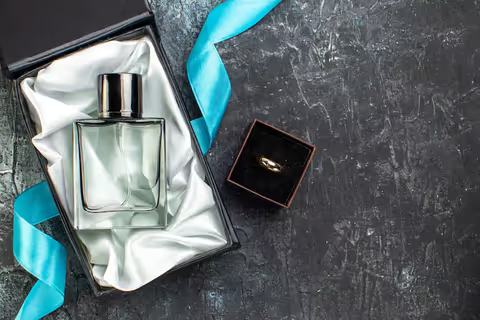
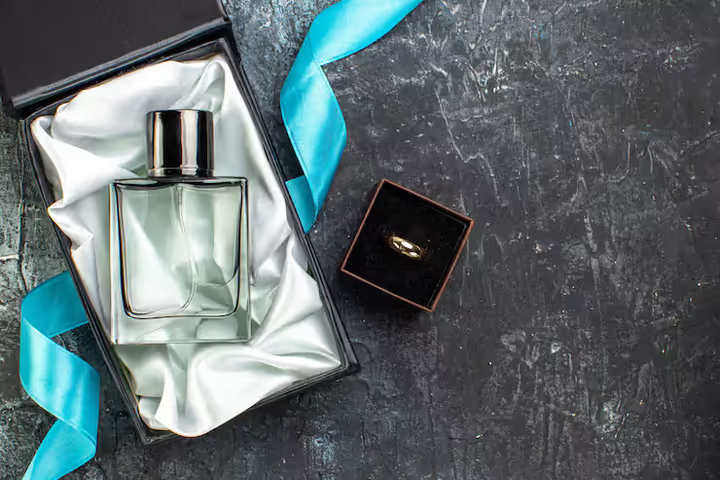
The artistic design of a perfume bottle is another important aspect that reflects the luxury nature of the fragrance. Design can play a significant role in a brand's identity, with many companies collaborating with renowned artists or using innovative materials to craft their packaging. The bottle not only serves as a container but also as a piece of art, elevating the entire fragrance experience and often becoming a collectible item.
Marketing and presentation also play significant roles in establishing a perfume brand as a luxury entity. High-end brands frequently invest in sophisticated advertising campaigns and exclusive distribution channels. By associating their products with luxury lifestyles and elite status, these brands can create an aura of exclusivity and desirability around their fragrances. This, combined with strategic pricing, reinforces their position in the premium segment of the market.
In addition to the fragrances themselves, the narratives behind luxury perfume brands contribute immensely to their value. Stories of royal connections, legendary figures, or inspirational journeys often accompany these perfumes, creating an emotional link between the consumer and the product. Educational experiences, such as guided tours of a brand's museum or an informative session with a perfumer, can provide deeper insights into the heritage and craftsmanship of the fragrance, enriching the consumer's appreciation.
Education about high-end perfume brands can also extend to understanding the different fragrance families and how they influence our olfactory experience. The olfactory pyramid of top, middle, and base notes helps to classify perfumes, offering a standardized language for describing fragrances. This classification guides consumers in finding scents that align with their personal preferences, enhancing their ability to choose a fragrance that resonates with their individuality and style.
Exploring the cultural impact of luxury fragrances reveals how they symbolize more than just pleasant aromas. High-end perfumes can serve as cultural artifacts, reflecting societal values and shifts in fashion, art, and technology over time. For instance, certain perfumes may become emblematic of particular eras or movements, further ingraining them into public consciousness and maintaining their status as icons in the fragrance industry.
Education about sustainability in the fragrance industry is also becoming increasingly important. High-end brands are starting to address environmental concerns by adopting sustainable practices, such as ethical sourcing of ingredients, environmentally friendly packaging, and reducing carbon footprints. By understanding these efforts, consumers can make more informed decisions and support brands that align with their values.
Finally, for those truly passionate about perfumes, the option to become a certified perfumer or to study fragrance evaluation can be an enriching educational pursuit. Some institutions offer courses and workshops that cover the science of perfumery, providing enthusiasts with a deeper understanding of scent creation and an opportunity to develop their skills in this artistic domain.
In conclusion, premium perfume brands offer more than just luxury products; they provide a rich educational experience encapsulating history, art, science, and culture. By delving into the nuances of these high-end fragrances, one can appreciate the complexity and artistry that defines their exceptional quality and allure. Through education, both consumers and creators can continue to support and preserve the esteemed tradition of luxury perfumery for future generations to enjoy.