Professional Guide: Deep Dive into Welding Machines and Applications
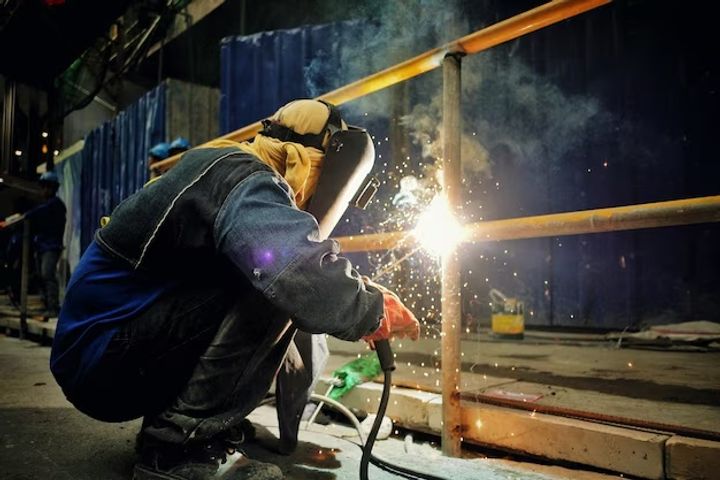
Welding machines are central to modern manufacturing and construction. These machines exist to permanently join metals and sometimes thermoplastics, creating durable bonds required for infrastructure, transportation, and industrial equipment. The foundation of welding dates back centuries, but in the last hundred years, technology has advanced from manual techniques to sophisticated systems like laser welding and robotic automation.
Welding machines include a wide range of processes such as arc welding, gas tungsten arc welding (GTAW), metal inert gas welding (MIG), and resistance welding. Each type is designed for specific materials and applications, from heavy steel construction to precision aerospace components.
These machines play a key role in joining materials with strength and durability. Their versatility makes them essential across many industrial sectors.
Importance of Welding Machines in Industry
Welding technology is critical for modern industries because it enables the creation of strong, long-lasting structures. It supports various sectors that depend on precision and reliability.
-
Construction
Used in bridges, pipelines, and high-rise buildings. -
Automotive manufacturing
Essential for producing safe and efficient vehicles. -
Energy sector
Applied in power plants, oil rigs, and renewable energy systems. -
Shipbuilding and aerospace
Required for high-strength and safety-critical structures.
Welding machines also improve productivity and ensure structural integrity. Proper usage and safety standards help protect workers in demanding environments.
Recent Updates in Welding Technology
Industry Trends (2023–2024)
Welding technology has advanced significantly with the integration of automation and digital systems. These developments focus on improving efficiency, accuracy, and sustainability.
-
Robotic welding adoption
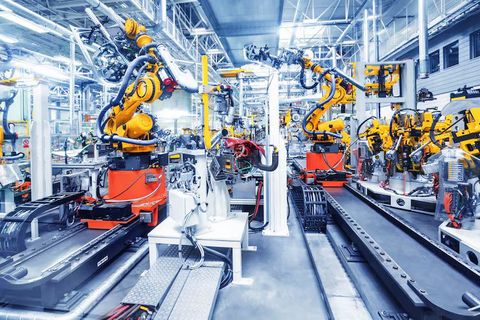
Increased use in industries like automotive for precision and speed. -
AI integration
Real-time monitoring improves quality control and reduces defects. -
Laser welding advancements
Enables faster and cleaner welding, especially for thin materials. -
Eco-friendly innovations
Energy-efficient machines reduce emissions and environmental impact. -
Industry 4.0 integration
Smart systems with sensors support predictive maintenance.
These trends highlight the shift toward intelligent and automated welding solutions.
Market Growth Overview
| Year | Market Value (USD Billion) | Key Trend |
|---|---|---|
| 2020 | 19.5 | Traditional arc welding |
| 2021 | 20.7 | Automation adoption begins |
| 2022 | 22.1 | Laser welding expansion |
| 2023 | 24.3 | Robotic welding growth |
| 2024 | 25.8 | AI-driven welding systems |
This data shows steady growth in demand for advanced welding technologies.
Laws and Policies
Welding machines are regulated by safety, environmental, and operational standards. These ensure safe usage and high-quality outcomes.
-
Safety regulations
Standards such as OSHA guidelines promote safe welding practices. -
International certifications
ISO certifications ensure quality and worker safety. -
Environmental policies
Encourage reduced emissions and cleaner welding technologies. -
Training requirements
Certification is often required before operating welding equipment. -
Energy efficiency directives
Promote adoption of low-energy welding machines.
These policies help maintain safe and sustainable industrial operations.
Tools and Resources
Various tools and resources support welding applications and learning. These help professionals improve efficiency and decision-making.
-
Welding simulators
Provide virtual training without real-world risks. -
Welding calculators
Help determine voltage, amperage, and electrode size. -
Safety apps
Remind users about protective measures and safe handling. -
Design software
CAD tools assist in welding design and structural planning. -
Standards platforms
Provide access to guidelines from AWS and ISO. -
Industry portals
Share knowledge on welding techniques and metallurgy.
Frequently Asked Questions
What are the main types of welding machines?
Common types include:
- Arc welding machines
- MIG welders
- TIG welders
- Resistance welders
- Laser welding machines
Each type is suited for specific materials and applications.
How does welding automation improve efficiency?
Automation increases precision, reduces errors, and supports high-volume production. It is widely used in industries like automotive and aerospace.
Is welding safe for workers?
Welding is safe when proper safety standards are followed. Operators should use protective equipment and work in well-ventilated environments.
What industries rely on welding machines?
Major industries include:
- Construction
- Automotive
- Shipbuilding
- Aerospace
- Energy
These sectors depend on welding for structural strength and reliability.
What is the future of welding technology?
Future developments include:
- AI-assisted welding systems
- Eco-friendly equipment
- Advanced robotic welding
- Integration with smart factories
These innovations will continue to improve performance and efficiency.
Conclusion
Welding machines are essential tools in modern industry, enabling the creation of durable and reliable structures. They support a wide range of applications, from construction to aerospace.
Recent advancements in automation, AI, and sustainability are transforming welding processes. By following safety standards and adopting modern tools, industries can ensure efficient and high-quality results in an evolving technological landscape.