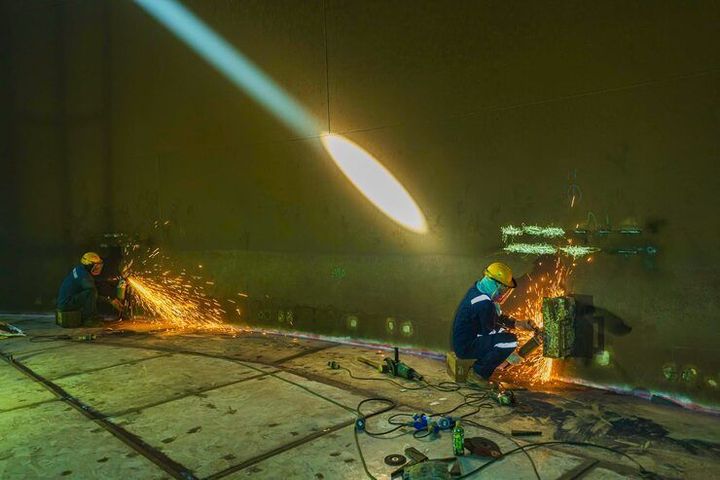
Projection Welding Machines Overview – Explore Functions, Uses, and Key Details
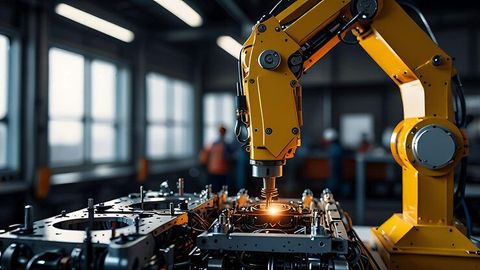
Projection welding machines are specialized equipment used to join metal pieces by applying pressure and electric current at precise points. Unlike standard spot welding, projection welding focuses current through raised sections, or projections, on the workpiece. This method ensures a stronger, more uniform weld and is widely used in automotive, electronics, and construction industries.
Projection welding machines are designed to meet the demands of modern manufacturing, where speed, precision, and reliability are essential. These machines enable multiple welds to be created at the same time, reducing manual effort and improving efficiency.
They are particularly effective for joining thin metal sheets, studs, and fasteners, where traditional welding methods may cause damage or inefficiency.
Why Projection Welding Machines Matter
Projection welding machines play a critical role in industries that require consistent, high-volume production. Their ability to deliver precise and repeatable welds makes them indispensable in several sectors.
Key Industry Applications
- Automotive Manufacturing: Used for assembling body panels, brackets, and structural components
- Electronics: Ideal for joining connectors, terminals, and delicate parts
- Appliances: Supports efficient production of metal housings and components
Main Benefits
- Increased productivity through simultaneous welds
- Consistent weld quality and strength
- Reduced material deformation, especially for thin components
- Lower energy consumption compared to conventional welding
Understanding these machines helps manufacturers improve product quality and streamline production processes.
Recent Trends and Updates in Projection Welding (2025–2026)
Projection welding technology has advanced significantly with the integration of digital and automated systems. These updates reflect the broader shift toward smart manufacturing.
Automation Integration
Modern machines now include robotic arms and computer-controlled settings. This ensures consistent weld quality and reduces dependency on manual operation.
Energy-Efficient Designs
Advanced power systems help minimize electricity consumption. These designs contribute to cost savings and environmental sustainability.
Smart Monitoring Systems
IoT-enabled sensors track parameters such as temperature, pressure, and weld quality in real time. This allows early detection of issues and reduces downtime.
Advanced Material Compatibility
New machines are capable of welding high-strength steels, aluminum alloys, and specialty metals. This expands their use across advanced manufacturing sectors.
Production Efficiency Overview
| Feature | Impact on Production |
|---|---|
| Automation | Up to 30% faster production cycles |
| Smart Monitoring | Reduced defects and downtime |
| Energy Optimization | Lower operational costs |
These developments highlight the growing importance of digital tools in manufacturing.
Regulations and Safety Policies
Projection welding machines must comply with various safety and quality standards. These regulations ensure safe operation and consistent production outcomes.
Key Standards and Guidelines
- ISO 9001 / ISO 3834: Quality management and welding consistency
- OSHA Guidelines: Workplace safety, protective equipment, and ventilation
- CE Certification: Compliance with European safety standards
- National Electrical Code (NEC): Safe electrical installation practices
Adhering to these standards reduces risks and ensures legal compliance in industrial environments.
Tools and Resources for Projection Welding
A range of tools and platforms supports efficient operation and process optimization. These resources are valuable for both operators and engineers.
Essential Tools
- Weld Calculators: Determine optimal current, pressure, and welding time
- Simulation Software: Tools like WeldPro and Sysweld for process modeling
- Machine Manuals: Provide operational guidance and troubleshooting steps
- IoT Monitoring Platforms: Track machine performance in real time
- Industry Forums: Platforms like The Fabricator and WeldingWeb for shared knowledge
Using these tools helps improve weld accuracy and reduce operational errors.
Common Questions About Projection Welding Machines
What materials can be welded?
Projection welding works with metals such as low-carbon steel, stainless steel, aluminum, brass, and copper alloys. It is most effective for thin materials and fasteners.
How is it different from spot welding?
Projection welding uses raised points to concentrate current, allowing multiple welds at once. This reduces deformation and increases efficiency compared to spot welding.
What safety precautions are required?
Operators should follow key safety practices:
- Wear protective equipment
- Ensure proper grounding
- Maintain ventilation systems
- Conduct regular machine inspections
Can projection welding be automated?
Yes, modern systems integrate robotics and digital controls. This enables high-speed, consistent, and large-scale production.
How is weld quality monitored?
Sensors and software track welding parameters such as current, pressure, and temperature. This ensures each weld meets required standards.
Insights and Tips for Effective Projection Welding
Optimizing projection welding requires attention to detail and consistent practices. The following tips can improve results:
- Clean metal surfaces before welding to prevent contamination
- Adjust parameters based on material type and thickness
- Maintain electrodes regularly for consistent performance
- Use both destructive and non-destructive testing methods
- Document procedures for standardization across operations
These practices help maintain quality and reduce production errors.
Comparing Manual vs. Automated Projection Welding
| Feature | Manual Machines | Automated Machines |
|---|---|---|
| Speed | Moderate | High, with simultaneous welds |
| Consistency | Operator-dependent | Highly consistent with computer control |
| Safety | Requires careful handling | Enhanced with sensors and automation |
| Cost | Lower initial cost | Higher upfront, lower long-term costs |
| Maintenance | Simple | Requires software and sensor calibration |
This comparison helps manufacturers choose the right system based on their production needs.
Conclusion
Projection welding machines are essential for modern manufacturing due to their efficiency, precision, and scalability. They enable faster production while maintaining high-quality standards across industries.
With advancements in automation, energy efficiency, and smart monitoring, these machines continue to evolve. By understanding their operation, following safety regulations, and using the right tools, manufacturers can achieve optimal performance and long-term reliability.