Future of Hydraulic Machinery: How Modern Systems Are Evolving
Hydraulic machinery has been part of modern industry for many decades. It powers equipment that lifts heavy loads, shapes metal, moves earth, and supports production across many sectors. From construction sites and manufacturing facilities to agriculture and transportation, hydraulic systems continue to play an important role in everyday operations. As technology evolves, hydraulic machinery is changing as well. New materials, digital monitoring, automation, and energy-conscious designs are helping these systems become more efficient, reliable, and easier to maintain.
Rather than replacing hydraulic technology, many industries are combining it with smart digital tools to improve performance and reduce unnecessary downtime.
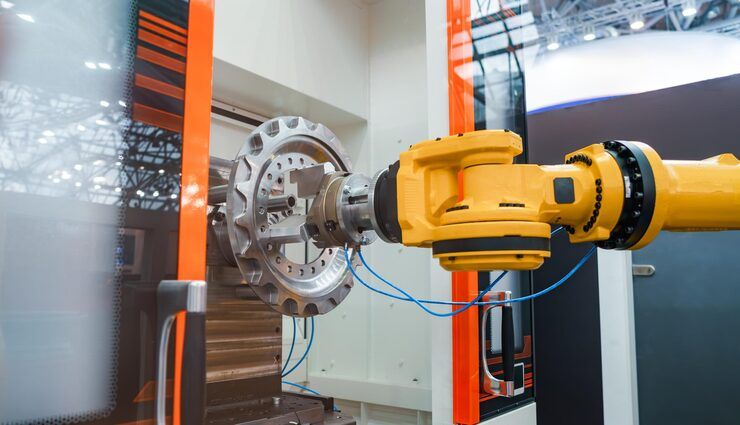
This article explores the future of hydraulic machinery, the technologies shaping its development, and the role it may continue to play in the years ahead.
Understanding Hydraulic Machinery
Hydraulic machinery works by using pressurized fluid to create force and movement. A typical hydraulic system includes pumps, cylinders, valves, hoses, and hydraulic fluid. When pressure is applied, the fluid transfers power through the system, allowing heavy equipment to perform tasks that would otherwise require significant physical effort.
Hydraulic systems are known for producing high force with precise control. This combination makes them suitable for applications where strength, accuracy, and smooth movement are important.
Today, hydraulic machinery can be found in:
- Construction equipment
- Agricultural machines
- Manufacturing equipment
- Mining operations
- Material handling systems
- Marine applications
- Waste management equipment
- Aerospace equipment
Despite the arrival of newer technologies, hydraulic systems remain an important part of industrial operations because they can handle demanding workloads.
Why Hydraulic Machinery Continues to Matter
Industries continue to depend on hydraulic machinery because it delivers consistent power even under challenging conditions. Heavy lifting, pressing, digging, and controlled movement often require force levels that hydraulic systems can produce efficiently.
Another reason for their continued use is adaptability. Hydraulic systems can be designed for many different machine sizes, from compact equipment to very large industrial machinery.
Their ability to perform repetitive tasks with precision also supports productivity in many working environments.
Digital Technology Is Changing Hydraulic Systems
One of the biggest changes shaping the future of hydraulic machinery is digital technology.
Modern hydraulic equipment increasingly includes sensors that monitor important operating conditions such as pressure, temperature, fluid quality, vibration, and system performance.
Instead of relying only on routine inspection schedules, operators can review real-time information that helps identify small issues before they become larger mechanical problems.
Digital monitoring can support:
- Improved equipment performance
- Earlier detection of wear
- Better maintenance planning
- Reduced unexpected downtime
- More consistent operation
As industrial monitoring technology continues to improve, hydraulic systems are becoming more connected and data-driven.
Predictive Maintenance Is Becoming More Common
Traditional maintenance often follows a fixed schedule regardless of the machine's actual condition. While this approach can work well, it sometimes replaces parts that are still functioning properly or misses hidden issues developing between inspections.
Predictive maintenance uses operating data collected by sensors to evaluate equipment health.
For example, unusual pressure changes or rising fluid temperatures may indicate that a component requires attention before failure occurs.
This approach helps maintenance teams make informed decisions while reducing unnecessary part replacement and unexpected shutdowns.
As data analysis becomes more advanced, predictive maintenance is expected to become a standard feature in many hydraulic systems.
Energy Efficiency Will Continue to Improve
Energy efficiency is becoming an important consideration across many industries.
Manufacturers are developing hydraulic systems that reduce energy loss during operation while maintaining strong performance.
Several improvements contribute to this goal:
Variable-Speed Pumps
Variable-speed pumps adjust their output according to demand instead of operating continuously at full capacity. This helps reduce unnecessary energy consumption.
Improved Hydraulic Fluids
Modern hydraulic fluids are designed to provide stable performance while supporting smoother operation across different working conditions.
Reduced Internal Friction
Improved component design helps reduce internal resistance, allowing hydraulic systems to operate more efficiently over long periods.
Together, these developments help hydraulic machinery use energy more effectively without reducing performance.
Automation Is Expanding Hydraulic Applications
Automation is becoming increasingly common across industrial environments.
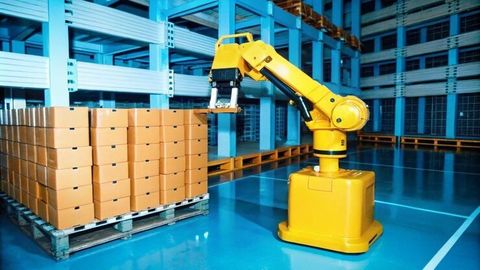
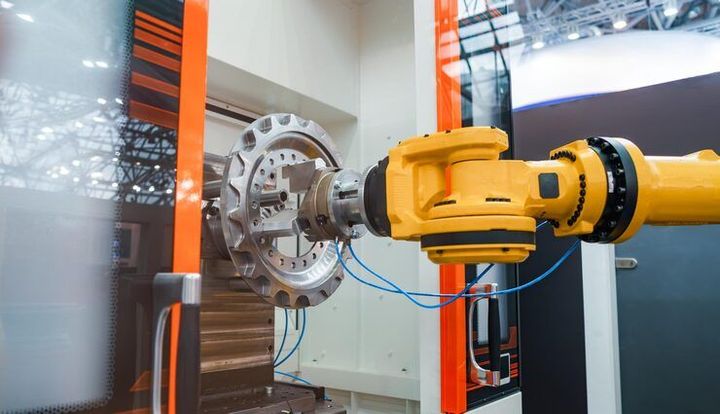
Many automated machines continue to rely on hydraulic power because it provides precise control for lifting, pressing, clamping, and positioning heavy components.
Hydraulic machinery is now being integrated with programmable control systems that allow equipment to perform repetitive tasks with consistent accuracy.
Examples include:
- Automated production equipment
- Robotic material handling
- Industrial presses
- Packaging machinery
- Warehouse lifting systems
Automation and hydraulics are working together rather than competing with one another.
Smart Hydraulic Components
Future hydraulic machinery will likely include more intelligent components.
Smart valves, pumps, and cylinders can communicate with electronic control systems to adjust performance automatically based on operating conditions.
These systems may respond to changing workloads without requiring manual adjustment.
Some potential capabilities include:
- Automatic pressure regulation
- Continuous performance monitoring
- Remote diagnostics
- System optimization
- Digital reporting
These features help operators better understand equipment performance and support more efficient maintenance planning.
Environmental Considerations
Environmental awareness continues to influence equipment design.
Future hydraulic systems are expected to focus on reducing fluid leakage, improving energy use, and extending component life.
Manufacturers are also developing hydraulic fluids with improved environmental characteristics for certain applications.
Better sealing technologies, improved filtration, and cleaner operating systems help reduce waste while supporting long-term equipment reliability.
These improvements benefit both industrial operations and environmental management efforts.
Lightweight Materials Are Supporting New Designs
Advances in material science are changing how hydraulic machinery is built.
Stronger lightweight materials allow certain machine components to maintain durability while reducing overall weight.
Lower machine weight can improve transportation, handling, and overall efficiency in many applications.
Improved materials also help reduce wear in moving components, contributing to longer operating life under demanding conditions.
Remote Monitoring Is Becoming More Practical
Modern communication technology allows equipment data to be viewed from different locations.
Operators and maintenance teams can monitor machine performance through connected software platforms without being physically present at the equipment.
Remote monitoring may include:
- Pressure readings
- Fluid condition
- Operating hours
- Temperature data
- Maintenance reminders
This capability helps organizations monitor equipment across multiple locations more efficiently.
Artificial Intelligence May Support Future Hydraulic Systems
Artificial intelligence is gradually becoming part of industrial equipment management.
Rather than controlling hydraulic power directly, AI can analyze operating information collected from sensors.
This analysis may help identify patterns that indicate developing mechanical issues, changing operating conditions, or maintenance requirements.
Future AI-assisted systems may recommend maintenance schedules, detect unusual operating behavior, and improve equipment performance through continuous analysis.
Human expertise will remain important, but AI can provide valuable decision-support information.
Challenges That Remain
Although hydraulic technology continues to advance, several challenges remain.
Hydraulic systems still require regular maintenance, proper fluid management, and careful inspection to maintain reliable operation.
Digital components also introduce additional complexity that requires technical knowledge during installation and troubleshooting.
Organizations adopting newer hydraulic technologies may need additional training to understand connected monitoring systems and digital diagnostics.
Addressing these challenges will remain an important part of future equipment development.
What the Future Looks Like
The future of hydraulic machinery is likely to combine traditional mechanical strength with modern digital intelligence.
Instead of replacing hydraulic technology, industries are improving it through automation, smart monitoring, energy-efficient components, and predictive maintenance.
Construction, agriculture, manufacturing, mining, transportation, and many other industries are expected to continue using hydraulic systems because they provide powerful and controlled movement for demanding applications.
As technology develops, hydraulic machinery will likely become more connected, easier to monitor, and more efficient while continuing to perform the heavy-duty tasks that many industries rely upon every day.
Conclusion
Hydraulic machinery has evolved significantly over the years, and its development continues through digital innovation, smarter monitoring, automation, and improved efficiency. These changes are helping hydraulic systems become more reliable, easier to maintain, and better suited to modern industrial environments.
While new technologies continue to emerge, hydraulic systems remain an important part of equipment used across construction, manufacturing, agriculture, transportation, and many other fields. By combining proven mechanical performance with intelligent monitoring and data-driven maintenance, the future of hydraulic machinery points toward safer, more efficient, and increasingly connected operations.