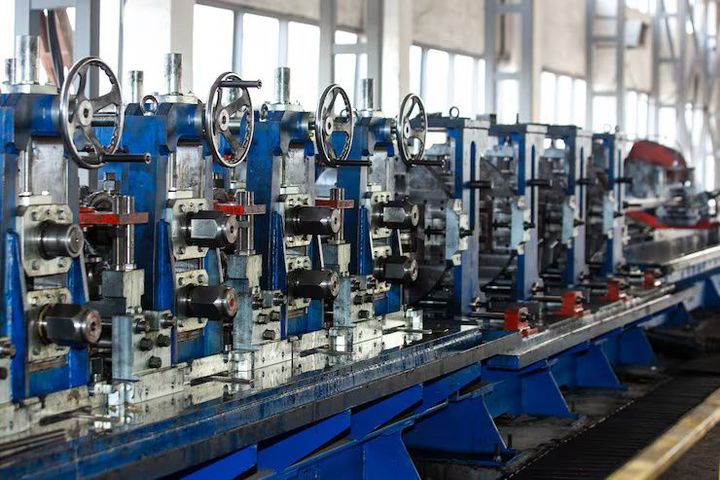
Punching Machines Basics: Essential Knowledge, Functions, and Industrial Applications Explained
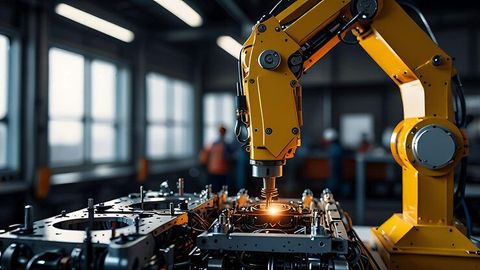
Punching machines are widely used tools in manufacturing and fabrication industries to create holes or shapes in materials such as metal sheets, plastic, or composite panels. These machines operate by applying controlled force through a punch and die system, allowing precise cuts or holes to be formed in flat materials.
In many industrial environments, a metal punching machine is part of larger production systems used in sheet metal fabrication. The process is essential for creating consistent shapes and holes in components like panels, brackets, enclosures, and mechanical parts.
A punching machine works through a simple principle: a punch tool presses the material against a die using high pressure. When the applied force exceeds the material’s shear strength, the punch penetrates the material and produces a clean hole or cut-out shape.
Different machines vary in design. Some rely on mechanical force through flywheels and crankshafts, while others use hydraulic systems or CNC (computer numerical control) technology for improved precision.
Industries Using Punching Machines
- Automotive component production
- Electronics manufacturing
- Construction materials
- Aerospace engineering
- Appliance manufacturing
Due to their efficiency and accuracy, punching machines remain a key technology in modern industrial fabrication.
Importance of Punching Machines in Modern Manufacturing
Punching machines are crucial in mass production and precision engineering. They allow manufacturers to process large volumes of sheet metal quickly while maintaining uniform quality.
Key Advantages
- High-speed material processing in manufacturing lines
- Precision hole punching for electrical and mechanical components
- Efficient shaping of sheet metal panels and parts
- Compatibility with automated manufacturing systems
Punching machines are often integrated with bending, laser cutting, and assembly systems. This integration improves overall production efficiency.
They also support industries requiring lightweight metal structures, such as ventilation panels, electrical cabinets, and architectural facades. Material efficiency is another benefit, as well-designed punch patterns minimize scrap and optimize material usage, especially with high-value metals like stainless steel and aluminum alloys.
Recent Updates and Industry Trends
Technological advancements are shaping the punching machine market. Key trends in 2024–2025 include automation, energy efficiency, and hybrid machines.
Industry Trends Summary
| Manufacturing Trend | Description | Impact |
|---|---|---|
| CNC Integration | Machines connected with digital production systems | Improved efficiency, predictive maintenance |
| Hybrid Machines | Equipment combining punching and forming operations | Greater versatility in sheet metal processing |
| Automation | Robotic material handling and automated tool changes | Increased productivity, reduced manual errors |
| Smart Monitoring | Sensors tracking performance and wear | Enhanced machine longevity and quality control |
Automation also improves workplace safety, allowing machines to detect abnormal forces or misaligned materials. Precision sheet metal processing is growing in industries such as renewable energy and electric vehicles, requiring faster, more accurate machines with advanced software control.
Laws and Industrial Safety Policies
Punching machines use high mechanical force, making safety regulations critical. Governments and industry bodies establish standards to protect operators.
Common Safety Requirements
- Protective machine guards
- Emergency stop mechanisms
- Proper operator training procedures
- Lockout and maintenance protocols
In Europe, machines must comply with the EU Machinery Directive for safe operation. In the U.S., OSHA guidelines regulate press safety and machine guarding. India enforces standards through the Directorate General Factory Advice Service and Labour Institutes, focusing on:
- Worker safety training
- Correct installation and maintenance
- Regular safety inspections
- Personal protective equipment usage
Modern punching machines often include built-in safety systems such as light curtains and automatic shutoff mechanisms to prevent accidents.
Tools and Resources for Learning About Punching Machines
Many digital tools and educational resources support engineers, students, and industry professionals.
Common Tools
- Punching Force Calculators – Estimate the required force for different materials
- CAD Software – Design sheet metal components and hole patterns
- CAM Software – Generate CNC punching machine instructions
- Manufacturing Simulation Tools – Test production processes digitally
Popular Software Platforms
- SolidWorks
- AutoCAD
- Fusion 360
Industry Resources Summary
| Resource Type | Purpose |
|---|---|
| CAD Design Tools | Create detailed part layouts |
| CAM Software | Generate machine instructions |
| Engineering Calculators | Determine punching force |
| Technical Manuals | Understand machine operation |
These resources are useful for both professional manufacturing and educational training programs.
Frequently Asked Questions
What materials can punching machines process?
Sheet metals like steel, aluminum, brass, and copper. Some machines also handle plastics, rubber, or composite sheets.
How does a punching machine differ from laser cutting?
Punching uses mechanical force to remove material, while laser cutting melts or vaporizes it. Punching is faster for repetitive hole patterns; lasers are more flexible for complex shapes.
What is the difference between mechanical and hydraulic punching machines?
Mechanical machines use flywheel-driven mechanisms for rapid force, while hydraulic machines use pressurized fluid for controlled and adjustable punching force.
What industries rely on punching machines the most?
Automotive, electronics, construction, appliance manufacturing, and aerospace industries.
What safety precautions are important?
Use machine guards, wear protective equipment, maintain safe hand distance, and follow maintenance protocols.
Conclusion
Punching machines remain a vital part of modern industrial manufacturing. They allow precise shaping of sheet metal components while supporting efficiency, accuracy, and mass production.
Advances in CNC technology, automation, and digital integration improve speed and consistency. Safety regulations ensure operators are protected, while hybrid and energy-efficient machines address evolving industry needs.
With continued demand in automotive, electronics, renewable energy, and other sectors, punching machines will remain essential for precision metal fabrication. Understanding their operation, regulatory requirements, and supporting tools is critical for anyone involved in modern industrial manufacturing.