PVC Laminate Production Line Overview and Essential Manufacturing Facts
PVC laminate products are widely used across construction, furniture, interior design, packaging, and industrial applications.
Their durability, surface appearance, moisture resistance, and versatility make them a practical solution for a variety of manufacturing needs. As demand for decorative and functional surface materials continues to grow, production technologies have become increasingly advanced and efficient.
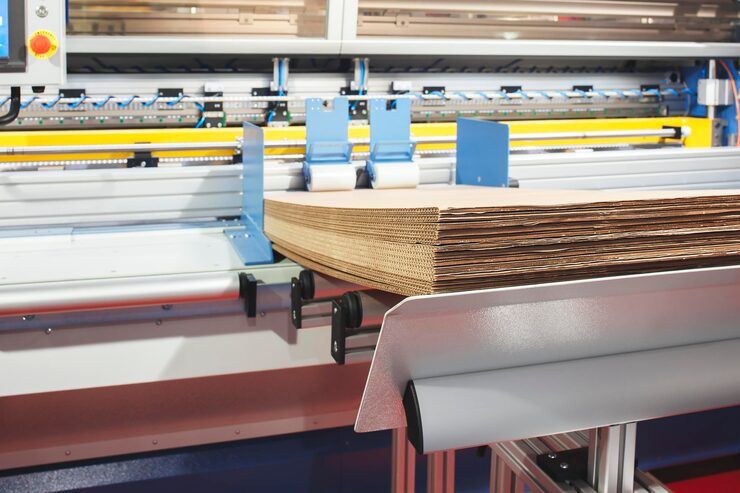
At the center of this manufacturing process is the PVC laminate production line. This specialized system combines multiple processing stages to transform raw materials into finished laminated products with consistent quality and performance characteristics. Although many people encounter PVC laminated surfaces daily, the production process behind them often remains less understood.
What really matters is not simply producing a laminated sheet. Material preparation, process control, surface treatment, and production consistency all influence the final product's appearance, durability, and long-term performance. Understanding the fundamentals of a PVC laminate production line provides valuable insight into modern manufacturing operations.
This guide explores how PVC laminate production lines work, explains key production stages, examines essential equipment, and highlights important manufacturing facts that influence product quality and operational efficiency.
Understanding PVC Laminate Production Lines
A PVC laminate production line is a manufacturing system designed to produce laminated sheets or surface materials by combining PVC films with various substrates through controlled processing techniques.
The production line integrates multiple operations, including material feeding, surface preparation, lamination, bonding, cooling, and finishing. These processes work together to create products that offer decorative appeal as well as functional performance.
This matters because consistent manufacturing conditions help ensure uniform product quality across large production volumes.
A practical example is furniture panel manufacturing, where laminated surfaces improve both appearance and durability while supporting efficient large-scale production.
Why PVC Lamination Is Important in Manufacturing
Modern industries often require materials that combine visual appeal with practical performance. PVC lamination helps manufacturers achieve this balance by adding protective and decorative layers to different substrates.
The process can enhance resistance to moisture, wear, scratches, and environmental exposure while also improving aesthetic characteristics.
The real difference appears when laminated materials are used in demanding environments where untreated surfaces may experience faster deterioration.
A real-world example is interior wall panels that benefit from decorative finishes while maintaining durability in daily use.
How a PVC Laminate Production Line Works
The manufacturing process typically follows a sequence of carefully controlled stages.
Raw materials are first prepared and inspected to ensure they meet production requirements. The substrate surface is then cleaned or treated to improve bonding performance.
PVC film is applied to the substrate through a lamination process that uses pressure, heat, or specialized adhesive systems. Once bonding is completed, the material passes through cooling and stabilization stages.
The finished product is then inspected before packaging or additional processing.
This process matters because each stage influences product appearance, structural integrity, and long-term durability.
A practical example is decorative panel manufacturing where consistent lamination quality directly affects the visual finish of the final product.
Key Components of a PVC Laminate Production Line
Several integrated systems contribute to efficient production operations.
Material feeding units help ensure smooth movement of substrates and PVC films throughout the production process.
Lamination systems perform the bonding operation that joins materials together under controlled conditions.
Heating and cooling sections regulate temperatures to support proper adhesion and product stability.
Control systems monitor production parameters and help maintain operational consistency.
Important production line components include:
- Material feeding systems
- Surface preparation units
- Lamination equipment
- Cooling and finishing sections
Together, these components help support reliable manufacturing performance.
Essential Features of Modern Production Lines
Modern PVC laminate production lines incorporate advanced technologies designed to improve efficiency and product quality.
Automation systems help reduce process variation and support consistent production output. Digital monitoring solutions provide operators with real-time information regarding operational conditions.
Precision control technologies allow manufacturers to maintain accurate temperature, pressure, and alignment settings throughout production.
This matters because production consistency directly influences both product quality and manufacturing efficiency.
A practical example is high-volume panel production where automated control systems help maintain uniform surface quality across thousands of units.
Benefits of PVC Laminate Manufacturing
PVC lamination offers several advantages for manufacturers and end users.
One major benefit is enhanced surface durability. Laminated products often provide improved resistance to scratches, moisture, and everyday wear.
Another advantage is design flexibility. PVC films can be produced in a wide variety of textures, colors, and decorative patterns.
Production efficiency also contributes to the popularity of PVC lamination because manufacturers can create large quantities of finished materials within controlled production environments.
A practical example is furniture manufacturing, where laminated surfaces provide both decorative appeal and long-term durability.
Common Manufacturing Challenges
Despite its advantages, PVC laminate production involves several technical challenges.
Maintaining strong and consistent bonding is critical because weak adhesion can affect product performance.
Temperature control is another important consideration since excessive or insufficient heat may influence lamination quality.
Material alignment must also be carefully monitored to prevent defects and maintain appearance standards.
A real-world example is decorative panel production where minor alignment variations can become highly visible in the finished product.
Understanding these challenges helps manufacturers improve operational reliability and product consistency.
PVC Lamination Compared with Alternative Surface Finishing Methods
| Factor | PVC Lamination | Traditional Surface Coating |
|---|---|---|
| Surface Protection | High | Moderate |
| Decorative Options | Extensive | Limited by Process |
| Production Consistency | High | Variable |
| Moisture Resistance | Strong | Application Dependent |
| Manufacturing Efficiency | Continuous Process | Multiple Processing Steps |
The real difference appears when manufacturers require both decorative flexibility and reliable surface protection within a single production process.
Decision Guide for Manufacturing Applications
Selecting a surface finishing approach depends on several practical considerations.
Product application is often the most important factor because performance requirements vary across industries.
Environmental exposure also influences manufacturing decisions. Products intended for moisture-prone environments may require different surface protection characteristics than those used in controlled indoor settings.
Production volume can affect process selection as well since certain manufacturing methods support large-scale output more effectively.
A practical example is comparing furniture panels with industrial wall systems. Although both may utilize laminated materials, their performance requirements often differ.
In many cases, the real difference appears when manufacturing processes align closely with product usage conditions and long-term performance expectations.
Industrial Applications of PVC Laminate Products
PVC laminated materials are used across numerous industries.
Furniture manufacturers utilize laminated surfaces for cabinets, tables, and decorative panels.
Construction industries use laminated materials in wall systems, partitions, and interior finishing applications.
Retail and commercial environments often incorporate laminated products for display fixtures and architectural elements.
Packaging and industrial sectors also use laminated materials where durability and appearance are important considerations.
These applications demonstrate the versatility of PVC laminate production technologies.
Future Trends in PVC Laminate Manufacturing
Manufacturing technologies continue evolving as industries seek greater efficiency and improved product performance.
Automation and smart production systems are becoming increasingly common within modern production environments.
Advanced material technologies are helping manufacturers develop improved surface properties and enhanced durability.
Sustainability initiatives are also encouraging more efficient resource utilization and environmentally conscious manufacturing practices.
Artificial intelligence and data-driven production management may further improve quality control and operational efficiency in the future.
What really matters is how production lines continue adapting to changing market requirements while maintaining product quality, efficiency, and manufacturing flexibility.
FAQ
1. What is a PVC laminate production line?
A PVC laminate production line is a manufacturing system used to bond PVC films to substrates for decorative and protective purposes.
2. Why is PVC lamination important?
It improves surface appearance, durability, moisture resistance, and overall product performance.
3. What industries use PVC laminated products?
Furniture, construction, interior design, retail, packaging, and industrial sectors commonly use laminated materials.
4. What factors affect lamination quality?
Bonding strength, temperature control, material alignment, and process consistency all influence product quality.
5. How do modern production lines improve efficiency?
Automation, digital monitoring, and precision control systems help maintain consistent production performance.
Conclusion
PVC laminate production lines play an essential role in modern manufacturing by combining decorative flexibility, surface protection, and production efficiency within a single process. Through carefully controlled operations, manufacturers can produce high-quality laminated materials used across a wide range of industries.
As automation, advanced materials, and intelligent production systems continue evolving, PVC laminate manufacturing is expected to become even more efficient and adaptable. The future of laminated product manufacturing may depend on how effectively production lines balance quality, innovation, and operational performance in an increasingly competitive industrial landscape.