Road milling machines are specialized construction machines used to remove worn or damaged layers of asphalt or concrete pavement. The process, often called cold milling, exists to restore road surfaces to a uniform level before resurfacing or structural rehabilitation. By precisely cutting and removing material, these machines prepare pavements for safer, smoother, and longer-lasting road layers.
The concept of road milling developed as road networks expanded and traffic volumes increased. Traditional full-depth reconstruction was time-consuming and disruptive. Milling offered a controlled method to correct surface irregularities, improve drainage, and extend pavement life without removing the entire road structure. Today, road milling machines are a core part of modern pavement maintenance and rehabilitation strategies.
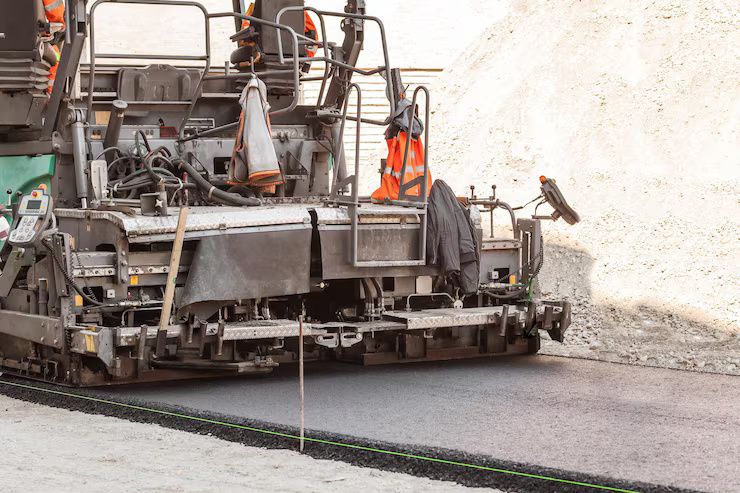
Importance: Why Road Milling Machine Knowledge Matters Today
Understanding road milling machines and their engineering concepts matters because road infrastructure directly affects safety, mobility, and economic activity. Poorly maintained road surfaces can increase accident risks, vehicle wear, and congestion. Road milling machines help address these issues efficiently by enabling targeted pavement removal.
This topic is important for:
-
Civil engineers and infrastructure planners
-
Road construction supervisors and equipment operators
-
Urban development authorities and transport agencies
-
Students studying highway and transportation engineering
Road milling machines solve several challenges, including uneven pavement surfaces, aging asphalt layers, and preparation for overlays. Their controlled operation helps reduce material waste, supports recycling of reclaimed asphalt pavement, and improves surface bonding for new layers.
Core Engineering Principles Behind Road Milling
Road milling machines operate on a combination of mechanical cutting, material conveyance, and precision control systems. The key engineering focus is achieving consistent depth and texture while maintaining stability during operation.
Important engineering concepts include:
-
Cutting mechanics involving rotating milling drums with replaceable teeth
-
Depth control systems using sensors and hydraulic actuators
-
Power transmission from the engine to the cutting drum
-
Material flow management through conveyor systems
Table: Key Components and Engineering Functions
| Component | Engineering Role | Functional Impact |
|---|---|---|
| Milling Drum | Removes pavement material | Determines cut depth and texture |
| Cutting Teeth | Fracture asphalt or concrete | Influences efficiency and wear |
| Conveyor System | Transfers milled material | Supports clean work zones |
| Leveling Sensors | Control milling depth | Ensures surface uniformity |
These principles allow road milling machines to operate accurately even on long highway stretches and complex urban roads.
Importance of Precision and Surface Quality
Precision is a defining feature of road milling engineering. Modern machines rely on electronic leveling systems to maintain consistent depth across the pavement. This precision reduces the need for additional leveling layers and improves long-term road performance.
Surface texture created by milling is also critical. Properly milled surfaces improve bonding with new asphalt layers, reducing the risk of delamination. Engineering control of drum speed, machine travel speed, and cutting tooth arrangement all contribute to optimal surface outcomes.
Recent Updates: Trends and Developments in the Past Year
In 2024 and early 2025, road milling technology reflected broader trends in sustainable and data-driven construction. Manufacturers introduced enhanced digital control systems that allow real-time monitoring of milling depth, machine load, and fuel efficiency. These systems support better operational accuracy and maintenance planning.
Another notable trend is the increased focus on reclaimed asphalt pavement reuse. Updates in pavement design guidelines during mid-2024 emphasized higher reuse percentages, increasing the importance of precise milling to maintain material quality.
Noise and emission reduction also gained attention. Engineering updates released in late 2024 highlighted improved drum housing designs and engine optimization to reduce environmental impact in urban milling projects.
Laws and Policies Influencing Road Milling Practices
Road milling machine usage is influenced by transportation regulations, construction safety rules, and environmental policies. In many countries, highway authorities specify milling depth, surface texture, and disposal practices in official road maintenance standards.
Key policy areas include:
-
Occupational safety regulations for heavy construction equipment
-
Environmental guidelines for dust and noise control
-
Government road maintenance programs emphasizing pavement rehabilitation
National infrastructure initiatives often allocate funding for resurfacing and rehabilitation rather than full reconstruction. These policies indirectly promote road milling as a preferred engineering solution due to its efficiency and reduced disruption.
Tools and Resources Related to Road Milling Engineering
Several technical tools and resources support understanding and planning road milling operations. These references focus on engineering accuracy, safety, and compliance.
Helpful tools and resources include:
-
Pavement condition assessment manuals
-
Milling depth and volume estimation calculators
-
Engineering charts for drum speed and travel rate
-
Road construction safety guidelines
-
Technical handbooks on asphalt pavement rehabilitation
Table: Example Milling Depth and Application Reference
| Milling Depth Range | Typical Use Case | Engineering Purpose |
|---|---|---|
| Shallow | Surface correction | Improve ride quality |
| Medium | Overlay preparation | Restore structural balance |
| Deep | Structural rehabilitation | Remove damaged layers |
These resources help engineers and planners design milling operations that align with pavement conditions and project requirements.
Environmental and Material Efficiency Considerations
Road milling supports sustainable construction practices by enabling reuse of removed pavement material. Engineering control of milling depth and material handling helps maintain the quality of reclaimed asphalt pavement for reuse in new mixes.
Dust suppression systems, water spray mechanisms, and enclosed conveyors are engineering features designed to reduce environmental impact. These systems are especially important in urban areas where air quality and public exposure are concerns.
FAQs: Common Questions About Road Milling Machines
What is cold milling in road construction?
Cold milling is the process of removing pavement layers without applying heat, using a rotating cutting drum to achieve precise material removal.
How does a road milling machine control depth?
Depth is controlled through hydraulic systems guided by electronic sensors that reference the road surface or a set grade.
Why is surface texture important after milling?
Proper texture improves bonding between the existing pavement and new asphalt layers, enhancing durability.
Can road milling be used on concrete pavements?
Yes, road milling machines can remove concrete surfaces, though cutting tools and settings differ from asphalt milling.
How does road milling support sustainability?
It enables reuse of milled material, reduces waste, and lowers the need for full pavement reconstruction.
Conclusion
Road milling machines play a vital role in modern road maintenance and rehabilitation. Their engineering concepts combine mechanical precision, digital control, and material efficiency to address aging and uneven pavements. Recent updates highlight advances in monitoring, sustainability, and environmental performance, while regulations ensure safe and standardized operation.
A clear understanding of road milling machine engineering concepts supports better infrastructure planning, improved road safety, and long-term pavement performance. As transportation networks continue to expand and age, road milling remains a key technology for maintaining reliable and efficient road systems.