Rolling machines are essential equipment in industrial manufacturing, widely used for shaping metals and other materials into sheets, bars, or specific forms. These machines apply force through rollers to compress, bend, or smooth raw material, making them critical for industries such as automotive, aerospace, construction, shipbuilding, and energy production.
The concept of rolling dates back to the 17th century when early mills were developed for flattening metals. Over time, the process has evolved into highly advanced rolling techniques, supported by precision controls, automation, and material science. Today, rolling machines range from small-scale sheet rolling units to massive industrial rolling mills used in steel plants.
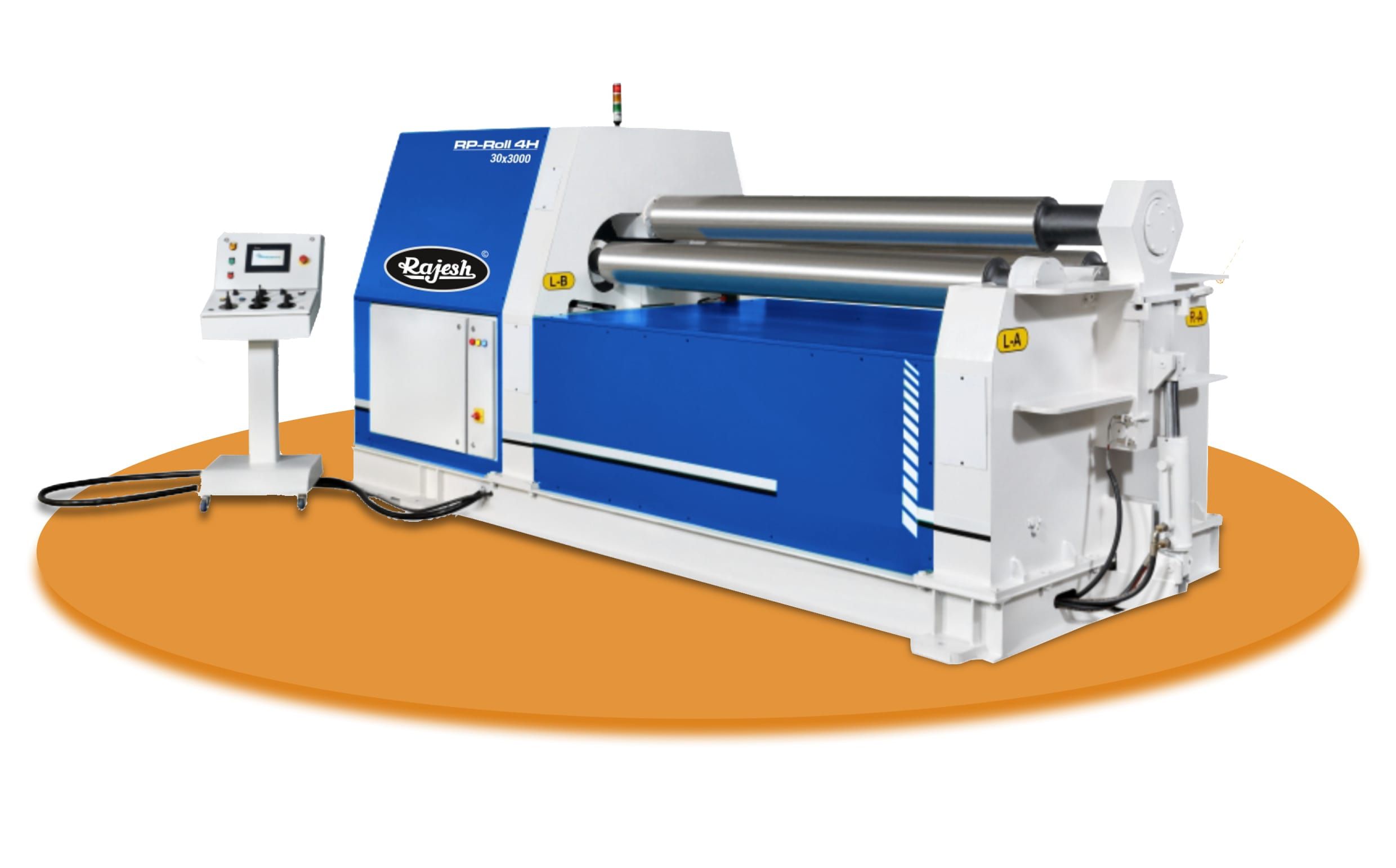
Rolling can be categorized into several types:
-
Hot rolling: processing at high temperatures to improve malleability
-
Cold rolling: conducted at room temperature for enhanced strength and surface finish
-
Plate rolling: producing large plates for heavy industries
-
Section rolling: shaping bars, beams, and structural forms
These variations allow industries to tailor rolling methods to specific production needs, making rolling machines versatile and indispensable.
Why rolling machines are important today
The global demand for metals, alloys, and advanced materials has expanded across multiple sectors. Rolling machines address this demand by enabling mass production, precision shaping, and resource optimization.
Key reasons why rolling machines matter:
-
Infrastructure development: Used in producing steel beams, pipes, and construction components.
-
Energy sector growth: Rolling machines shape turbine blades, pipelines, and renewable energy equipment.
-
Automotive and aerospace industries: Essential for lightweight alloys and precision parts.
-
Sustainability and material efficiency: Cold rolling processes minimize material waste while delivering stronger outputs.
-
Global competitiveness: Nations with advanced rolling technologies can maintain industrial resilience and meet export needs.
By supporting large-scale production, rolling machines reduce manual labor, increase efficiency, and provide consistent quality. They also help industries transition toward greener manufacturing by optimizing energy use and enabling recycling of metals.
Recent updates and industry trends
In the past year, several updates have shaped the use of rolling machines:
-
Automation and AI integration (2024–2025): Rolling machines are increasingly controlled by smart systems, using sensors and predictive analytics to improve efficiency and reduce downtime.
-
Sustainable manufacturing focus (2025): Many industries are adopting eco-friendly lubricants and energy-efficient motors in rolling machines to meet environmental standards.
-
Advanced materials: The demand for high-strength steels, aluminum alloys, and composite materials has influenced the development of more precise rolling machines.
-
Digital twins (2024): Manufacturers now simulate rolling processes digitally to predict outcomes before actual production, reducing material waste.
-
Global steel production trends: According to the World Steel Association (2024 data), rolled products account for nearly 70% of all steel used worldwide, showing the dominance of rolling processes in global manufacturing.
These updates highlight how rolling machines are no longer static equipment but part of a connected, data-driven industrial ecosystem.
Regulations, laws, and policies
Rolling machines, like other heavy industrial equipment, are governed by safety, environmental, and quality regulations. These policies vary by country but generally cover:
-
Workplace safety regulations: Standards from agencies such as OSHA (United States), HSE (UK), and DGMS (India) mandate protective measures, training, and machine-guarding practices.
-
Environmental laws: Emission norms and waste management rules affect how lubricants, coolants, and byproducts from rolling machines are handled.
-
Energy efficiency programs: Many countries incentivize industries that upgrade to energy-efficient rolling machines to reduce carbon footprints.
-
Material standards: International standards like ASTM and ISO define the quality of rolled products, ensuring consistency in global trade.
-
Industrial modernization policies: Programs such as “Make in India,” “Industry 4.0” initiatives in Europe, and U.S. advanced manufacturing policies encourage modernization of rolling machine infrastructure.
Compliance with these laws not only ensures worker safety and environmental protection but also improves competitiveness in global markets.
Tools and resources for rolling machine applications
Several resources help industries, engineers, and researchers optimize rolling machine usage:
-
Simulation software: ANSYS, Abaqus, and Deform for process modeling
-
Material property databases: MatWeb and ASM Handbooks for reference values
-
International standards: ISO 9001, ASTM A6/A6M for rolled steel products
-
Productivity monitoring tools: SCADA systems and IoT dashboards for machine performance tracking
-
Educational platforms: MIT OpenCourseWare and NPTEL courses on materials processing
-
Industry associations: World Steel Association and International Rolling Technology Committee for reports and best practices
These resources allow professionals to stay updated with industry requirements, research advancements, and digital tools for manufacturing.
Frequently asked questions
What is the difference between hot rolling and cold rolling?
Hot rolling is performed at high temperatures, making materials easier to shape but less precise. Cold rolling is done at room temperature, producing stronger materials with better surface finishes.
Which industries rely most on rolling machines?
Key industries include automotive, aerospace, construction, shipbuilding, energy, and heavy engineering, all of which depend on rolled materials for large-scale production.
Are rolling machines environmentally sustainable?
Modern rolling machines integrate energy-efficient drives, digital monitoring, and eco-friendly lubricants, helping reduce energy consumption and emissions.
What safety measures are required when operating rolling machines?
Operators must follow strict safety rules such as using protective equipment, installing machine guards, following lockout-tagout procedures, and conducting regular maintenance checks.
How do digital technologies impact rolling machines?
Digital twins, IoT integration, and AI-driven process controls have improved rolling machine efficiency, reduced downtime, and allowed better quality control.
Conclusion
Rolling machines play a foundational role in industrial manufacturing by enabling efficient shaping of metals and materials. Their importance spans multiple industries, from construction to aerospace, where precision and large-scale output are essential. Recent trends such as automation, digital simulation, and sustainability initiatives show how these machines are evolving with modern needs.
As industries adapt to stricter regulations and environmental goals, rolling machines continue to advance through smarter designs and resource-efficient processes. Understanding their role, technological updates, and regulatory environment helps engineers, policymakers, and businesses align with global standards while ensuring safe and sustainable industrial progress.