Roof Repair: Complete Guide to Roof Inspection, Maintenance, and Restoration
A roof is one of the most important parts of any building.
It protects the structure from rain, wind, sunlight, snow, and changing weather conditions while helping maintain a comfortable indoor environment. Over time, roofs can develop problems due to age, severe weather, moisture, or normal wear and tear. Roof repair helps address these issues before they become larger structural concerns.
Whether for residential, commercial, or industrial buildings, understanding roof repair can help property owners recognize early warning signs, plan maintenance, and extend the life of a roofing system. Modern roofing materials and inspection techniques make it easier to identify damage and restore roof performance.
This guide explains roof repair, common roofing problems, repair methods, inspection procedures, benefits, applications, and future industry trends in simple language.
Understanding the Concept
Roof repair is the process of identifying damaged areas and restoring them to maintain the roof's protective function. Repairs may involve replacing damaged materials, sealing leaks, reinforcing structural components, or improving drainage.
Common reasons for roof repair include:
- Weather damage
- Water leaks
- Missing shingles
- Damaged flashing
- Cracked roof tiles
- Aging roofing materials
- Storm-related damage
- Poor drainage
Regular roof inspection helps identify problems before they affect the interior of a building.
Key Types or Categories
Different roofing systems require different repair methods.
Asphalt Shingle Roof Repair
Asphalt shingles are widely used because they are durable and relatively easy to maintain.
Common repairs include:
- Replacing damaged shingles
- Sealing exposed nails
- Repairing flashing
- Fixing minor leaks
Metal Roof Repair
Metal roofs provide long-lasting protection but may occasionally require repairs.
Typical maintenance includes:
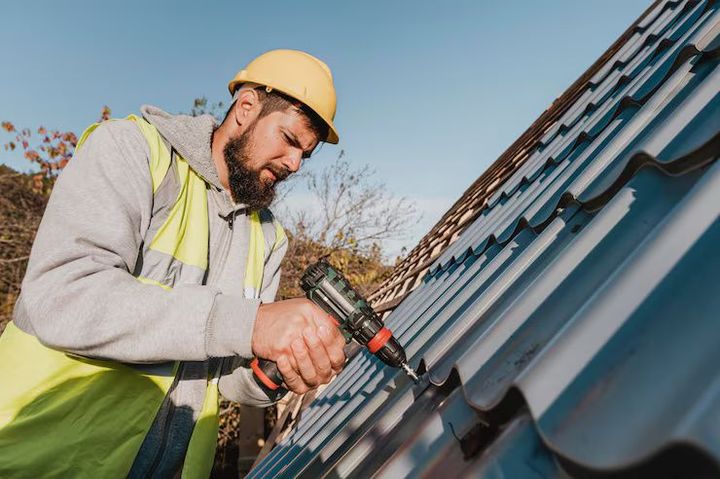
- Tightening fasteners
- Sealing joints
- Replacing damaged panels
- Treating corrosion
Tile Roof Repair
Tile roofs are known for durability but individual tiles may crack or shift.
Repairs often involve:
- Replacing broken tiles
- Repairing underlayment
- Restoring ridge tiles
- Improving waterproof protection
Flat Roof Repair
Commercial buildings frequently use flat roofing systems.
Common repair activities include:
- Sealing membrane damage
- Repairing drainage areas
- Fixing ponding water issues
- Restoring waterproof coatings
Commercial Roofing Systems
Commercial roof repair may involve:
- Built-up roofing
- Modified bitumen roofing
- Single-ply membrane roofing
- Industrial roofing systems
Each roofing system requires specialized repair techniques.
Important Subsections
Roof Leak Detection
Finding the exact source of a leak is often the first step.
Signs include:
- Water stains
- Damp ceilings
- Mold growth
- Dripping water
- Peeling paint
The visible leak inside a building may not always be directly below the damaged roof area.
Roof Flashing
Flashing is installed around chimneys, skylights, vents, and roof edges.
Damaged flashing can allow water to enter the building, making inspection an important part of roof maintenance.
Roof Ventilation
Proper ventilation reduces heat and moisture buildup inside the attic.
Balanced airflow helps protect roofing materials and improves energy efficiency.
Gutter Maintenance
Clean gutters allow rainwater to flow away from the building.
Blocked gutters can cause water to collect on the roof, increasing the likelihood of leaks.
How It Works
Roof repair follows a structured process.
Step 1: Roof Inspection
A detailed inspection identifies visible and hidden damage.
Inspectors examine:
- Roofing materials
- Flashing
- Gutters
- Drainage systems
- Structural condition
- Interior ceilings
Step 2: Damage Assessment
The condition of the roof is evaluated to determine the appropriate repair method.
Factors include:
- Age of the roof
- Extent of damage
- Weather exposure
- Structural integrity
Step 3: Prepare the Repair Area
Loose materials, debris, and damaged sections are carefully removed.
The surrounding area is cleaned before new materials are installed.
Step 4: Complete the Repair
Depending on the issue, repairs may include:
- Replacing shingles
- Installing new flashing
- Sealing joints
- Repairing roof membranes
- Reinforcing structural components
Step 5: Final Inspection
After repairs are completed, the roof is inspected again to verify that the repaired area provides effective weather protection.
Benefits and Advantages
Roof repair provides several practical benefits.
Extends Roof Lifespan
Timely repairs help roofing materials remain effective for many more years.
Prevents Water Damage
Repairing leaks early helps protect ceilings, walls, insulation, and flooring from moisture.
Improves Energy Efficiency
A properly maintained roof supports better insulation and indoor temperature control.
Protects Building Structure
Addressing roofing issues promptly reduces the risk of damage to structural components.
Supports Property Value
A well-maintained roof contributes to the overall condition and appearance of a property.
Enhances Weather Protection
Roof repairs improve resistance to rain, wind, snow, and other environmental conditions.
Real-World Examples or Applications
Roof repair is important in many situations.
Residential Homes
Homeowners repair roofs after storms, aging, or seasonal weather changes.
Commercial Buildings
Office buildings, retail centers, and warehouses require regular roof inspections to maintain safe operations.
Industrial Facilities
Factories often use large roofing systems that require periodic maintenance and waterproofing.
Educational Buildings
Schools and universities maintain roofs to protect classrooms, libraries, and equipment.
Healthcare Facilities
Hospitals depend on reliable roofing systems to protect patients, medical equipment, and essential operations.
Important Factors to Understand
Several factors influence roof repair planning.
Roofing Material
Different materials require different repair techniques.
Examples include:
- Asphalt shingles
- Metal panels
- Clay tiles
- Concrete tiles
- Flat roofing membranes
Weather Conditions
Dry weather generally provides better conditions for roof inspection and repair activities.
Roof Age
Older roofs may require more frequent inspections and maintenance.
Safety Practices
Roof work involves elevated surfaces, making safety equipment and proper procedures essential.
Preventive Maintenance
Regular inspections help identify small problems before they become significant repairs.
Future Trends and Industry Insights
Roofing technology continues to evolve.
Drone Roof Inspection
Drones provide detailed aerial images that improve roof inspection accuracy while reducing safety risks.
Thermal Imaging
Thermal cameras identify hidden moisture and insulation problems that are difficult to detect visually.
Smart Roof Monitoring
Modern monitoring systems use sensors to detect:
- Moisture
- Temperature
- Structural movement
- Water accumulation
Continuous monitoring helps identify issues early.
Sustainable Roofing Materials
Environmentally friendly roofing materials continue gaining popularity because of their durability and energy performance.
Advanced Waterproof Coatings
Modern roof coatings improve resistance to ultraviolet exposure, moisture, and temperature changes while extending roof performance.
Conclusion
Roof repair is an essential part of maintaining residential, commercial, and industrial buildings. Regular inspections, timely maintenance, and appropriate repair techniques help protect structures from weather-related damage while extending the lifespan of roofing systems.
Understanding roofing materials, recognizing early signs of damage, and following preventive maintenance practices support long-term building protection. As roofing technology continues advancing through drone inspections, thermal imaging, smart monitoring systems, and improved waterproof materials, roof repair is becoming more accurate and efficient than ever before.
A well-maintained roof provides dependable protection, improves energy efficiency, supports structural integrity, and helps buildings remain safe and durable throughout changing seasons.