Silver anklets have a long history rooted in early forms of body adornment. They were originally worn as symbols of beauty, identity, and social status in ancient civilizations such as Egypt and India.
Over time, anklets evolved into widely accepted fashion accessories. Today, they are worn for both cultural significance and personal style, blending tradition with modern trends.
Materials and Composition
Silver remains one of the most preferred materials for anklets due to its durability and affordability. Compared to gold, silver offers a similar aesthetic appeal at a lower cost, making it accessible to a wider audience.
Common Silver Types
-
Sterling silver (92.5% pure silver)
-
Mixed alloys for added strength
-
Recycled silver for sustainability
Sterling silver is the most widely used material because it balances purity with durability. It maintains a polished appearance when properly cared for.
Popular Styles of Silver Anklets
Silver anklets come in a variety of designs to suit different tastes and occasions. These styles reflect both traditional craftsmanship and modern aesthetics.
Common Design Types
-
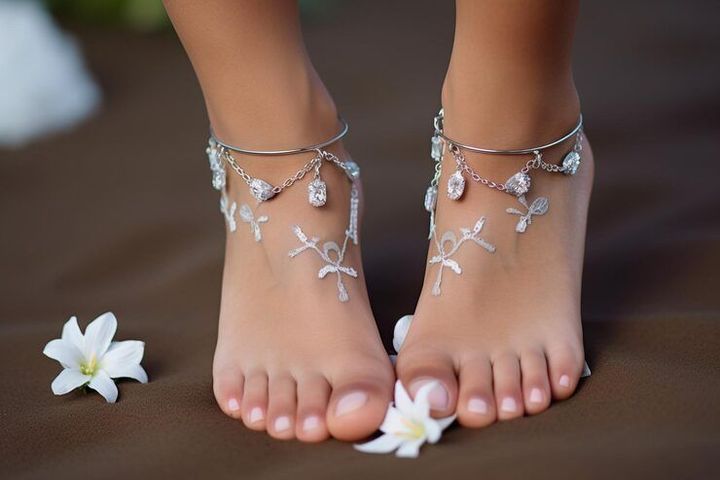
Chain anklets with simple or decorative links
-
Charm anklets with symbolic pendants
-
Beaded anklets using gemstones or glass beads
-
Traditional anklets with engravings or bells
-
Minimalist anklets for everyday wear
Each style serves a different purpose, ranging from casual fashion to ceremonial use.
Why Silver Anklets Remain Relevant Today
Silver anklets continue to hold cultural and fashion importance across the world. In countries like India, they are commonly worn during weddings, festivals, and traditional ceremonies.
At the same time, global fashion trends have made anklets popular in everyday wear. Their lightweight design makes them suitable for casual outfits and summer styles.
Key Influencing Groups
-
Cultural communities preserving traditions
-
Fashion designers creating seasonal collections
-
Jewelry artisans specializing in handcrafted items
-
Consumers seeking sustainable accessories
Sustainability also plays a growing role, with many manufacturers adopting recycled silver and responsible sourcing practices.
Recent Developments and Jewelry Trends
The jewelry industry has seen notable changes in anklet designs between 2024 and 2025. These trends reflect evolving consumer preferences and technological advancements.
Key Trends
-
Minimalist designs with thin chains
-
Layered anklets for a stacked look
-
Mixed materials like pearls and crystals
-
Increased use of recycled metals
-
CAD-based digital jewelry design
These innovations allow designers to create more versatile and precise jewelry pieces.
Regulations and Cultural Policies
Silver jewelry is subject to various regulations and quality standards worldwide. These rules help ensure authenticity and protect consumers.
Common Regulatory Aspects
-
Metal purity certification (hallmarking)
-
Environmental guidelines for mining
-
Cultural preservation initiatives
Silver Hallmark Standards
| Country/Region | Silver Hallmark Standard | Purpose |
|---|
| India | BIS Hallmarking System | Ensures silver purity certification |
| United Kingdom | Assay Office Hallmarks | Verifies precious metal standards |
| European Union | Precious Metal Regulations | Protects consumer authenticity |
In India, hallmarking by BIS ensures transparency and trust in silver jewelry purchases.
Useful Tools and Resources
Various digital tools and educational platforms help people understand silver jewelry and anklets. These resources are useful for designers, collectors, and general consumers.
Jewelry Design Tools
-
CAD design software
-
3D modeling tools
-
Digital engraving platforms
Learning and Authentication Resources
-
Metal hallmark databases
-
Jewelry care guides
-
Online jewelry design courses
-
Cultural history archives
Jewelry Care Guide
| Jewelry Care Factor | Recommended Practice |
|---|
| Cleaning | Use gentle polishing cloths |
| Storage | Keep in dry containers |
| Moisture Exposure | Remove before swimming or bathing |
| Chemical Contact | Avoid perfumes and harsh cleaners |
These tools and practices help maintain the quality and longevity of silver anklets.
Frequently Asked Questions
What are silver anklets traditionally used for?
Silver anklets are primarily decorative accessories. They often carry cultural or symbolic meanings related to identity, tradition, or beauty.
Are silver anklets suitable for everyday wear?
Yes, many designs are lightweight and comfortable. With proper care, they can be worn daily without damage.
What type of silver is commonly used?
Sterling silver is the most common choice. It contains 92.5% pure silver and is known for durability.
How should silver anklets be maintained?
Regular cleaning with a soft cloth and storing in dry conditions helps maintain their shine. Avoid exposure to moisture and chemicals.
Why do some anklets have bells or charms?
These elements are often cultural or decorative. They may symbolize tradition, rhythm, or artistic expression.
Conclusion
Silver anklets represent a blend of cultural heritage and modern fashion. They have evolved from traditional ornaments into versatile accessories suitable for various occasions.
Current trends highlight minimalist designs, layered styles, and sustainable materials. At the same time, hallmarking standards ensure quality and authenticity.
By understanding their history, styles, and care practices, individuals can appreciate silver anklets as both meaningful and timeless pieces of jewelry.