Single Stone Bracelets: Expert Tips for Choosing Elegant and Timeless Designs
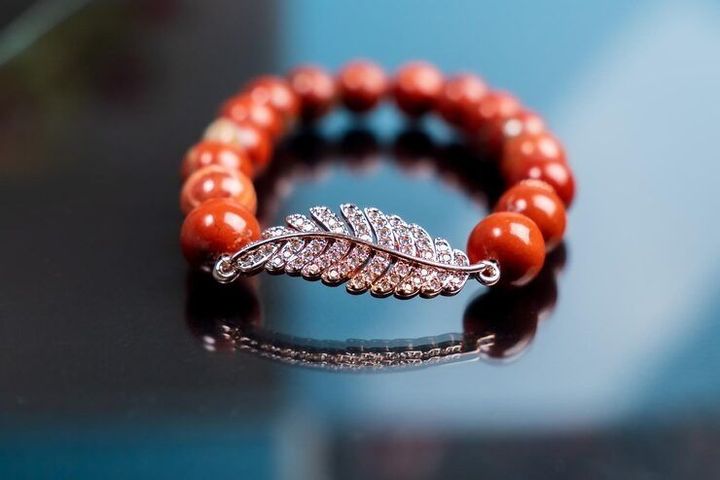
Single stone bracelets are a style of jewelry that features one central gemstone mounted on a bracelet band. Unlike multi-stone jewelry designs, the focus is placed on a single gemstone that acts as the centerpiece. This design approach emphasizes simplicity, balance, and elegance.
Single stone bracelets are designed to highlight the beauty and brilliance of a single gemstone. This minimalist approach allows light to pass through the stone more effectively, enhancing its sparkle and clarity. These bracelets are typically crafted using precious metals such as gold, platinum, or sterling silver, paired with gemstones like diamonds, sapphires, emeralds, or rubies.
The concept of single-stone jewelry dates back centuries. Ancient civilizations used gemstones as symbols of power, status, and identity. Over time, jewelry design evolved toward simplicity, focusing on a single gemstone rather than multiple decorative elements.
Modern single stone bracelets combine traditional craftsmanship with advanced techniques. Jewelers now use precision cutting and digital tools to create refined and elegant designs.
Design Elements of Single Stone Bracelets
Core Features
Single stone bracelets are defined by a few essential design elements that enhance their simplicity and elegance.
- A central gemstone set in a bezel or prong setting
- Minimalist bracelet bands that emphasize the stone
- Adjustable chains or rigid bangles
- Fine finishes such as polished, brushed, or textured surfaces
These features create a balanced and timeless jewelry piece that prioritizes clarity and visual focus.
Why Single Stone Bracelets Remain Relevant
Single stone bracelets continue to be popular due to their blend of minimalism and classic appeal. They can complement both casual and formal outfits, making them highly versatile.
Who Prefers These Bracelets
- Jewelry enthusiasts interested in classic gemstone designs
- Individuals who prefer subtle and refined accessories
- Fashion professionals studying modern trends
- Collectors of gemstone jewelry
Their adaptability makes them suitable for various occasions and personal styles.
Key Advantages
- Highlights gemstone brilliance and clarity
- Offers a clean and balanced design
- Easily pairs with other jewelry
- Maintains a timeless appearance
Because only one gemstone is used, its quality becomes more noticeable, emphasizing factors like cut, color, and clarity.
Common Gemstones in Single Stone Bracelets
| Gemstone Type | Visual Characteristic | Popular Jewelry Use |
|---|---|---|
| Diamond | High brilliance and sparkle | Classic luxury jewelry |
| Sapphire | Deep blue color and durability | Elegant bracelets and rings |
| Emerald | Rich green tone | Vintage-inspired designs |
| Ruby | Intense red color | Statement jewelry pieces |
These gemstones are widely recognized for their durability and visual appeal in jewelry design.
Recent Updates in Jewelry Design Trends
The jewelry industry has seen noticeable changes in 2024 and 2025. Minimalist styles, including single stone bracelets, have gained popularity in urban fashion markets.
Key Industry Trends
- Rising demand for lab-grown diamonds
- Growth in minimalist bracelet designs
- Increased use of recycled metals
- Adoption of 3D modeling and CAD tools
These trends reflect consumer interest in sustainability and modern aesthetics.
Design Priorities in the Industry
| Design Priority | Industry Attention Level |
|---|---|
| Minimalist aesthetics | High |
| Sustainable materials | High |
| Digital design tools | Moderate |
| Mixed-metal designs | Moderate |
Designers are also experimenting with mixed metals like rose gold and white gold to create subtle contrasts while keeping the gemstone as the focal point.
Regulations and Policies Affecting Gemstone Jewelry
Gemstone jewelry is governed by international regulations that promote ethical sourcing and transparency. These rules ensure that both consumers and mining communities are protected.
Key Regulatory Frameworks
- Kimberley Process Certification Scheme (KPCS)
- Responsible Jewellery Council (RJC) standards
- Environmental mining regulations
- Import and export documentation requirements
The Kimberley Process helps prevent conflict diamonds from entering the market. Labeling standards also ensure accurate information about gemstones and metals.
In countries like the United States, agencies such as the Federal Trade Commission (FTC) oversee jewelry labeling. Similar regulations exist in Europe, focusing on consumer protection and sustainability.
Tools and Resources for Learning About Gemstone Jewelry
There are several tools available for understanding gemstone jewelry and bracelet design. These resources help both beginners and professionals gain deeper knowledge.
Educational Resources
- Gemology databases
- Jewelry design software
- Gemstone grading guides
- Certification organizations
- Online gemstone encyclopedias
Common Tools Used
- CAD software for jewelry modeling
- Gemstone grading charts
- Metal composition guides
- Jewelry design learning platforms
Gemstone Grading Reference
| Grading Factor | Description |
|---|---|
| Cut | Determines how light reflects through the stone |
| Clarity | Measures internal imperfections |
| Color | Evaluates hue and intensity |
| Carat Weight | Indicates gemstone size |
These grading standards are widely used to assess gemstone quality in the jewelry industry.
Frequently Asked Questions
What defines a single stone bracelet?
A single stone bracelet features one central gemstone mounted on a band. The design emphasizes the gemstone as the main visual element.
What gemstones are commonly used?
Diamonds, sapphires, emeralds, and rubies are commonly used due to their durability and color variety.
Are these bracelets considered minimalist?
Yes, they follow minimalist design principles by focusing on simplicity and elegance.
How are gemstones evaluated?
Gemstones are evaluated based on cut, clarity, color, and carat weight.
What metals are typically used?
Gold, platinum, and sterling silver are commonly used for their durability and compatibility with gemstones.
Conclusion
Single stone bracelets represent a timeless and elegant approach to jewelry design. By focusing on a single gemstone, they highlight craftsmanship and natural beauty.
Their minimalist design ensures long-term relevance across fashion trends. These bracelets continue to evolve with modern innovations such as sustainable materials and digital design tools.
Understanding their design, trends, and regulations provides valuable insight into the broader world of gemstone jewelry.