Smart City Control Systems Guide: How Integrated Technology Manages Urban Infrastructure
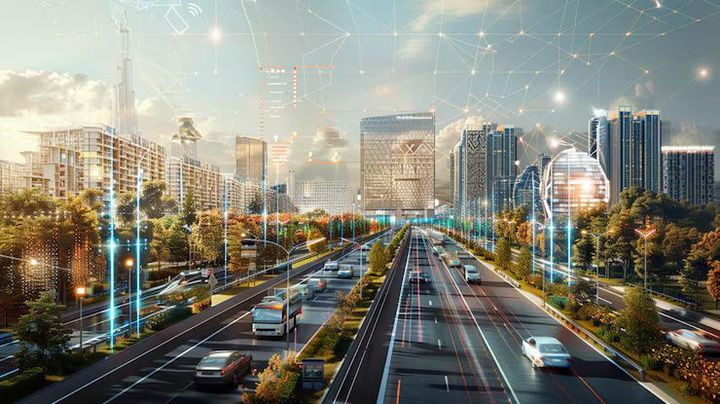
Smart city control systems are integrated digital platforms that help cities monitor, manage, and optimize urban infrastructure. These systems connect technologies such as Internet of Things (IoT) sensors, cloud computing platforms, artificial intelligence analytics, and data dashboards to coordinate multiple public systems.
Modern cities face growing challenges such as population expansion, traffic congestion, energy demand, environmental monitoring, and public safety. Smart city control systems help manage these issues by organizing and analyzing data from urban infrastructure.
These systems connect multiple city components into a centralized digital platform. Authorities can monitor real-time data and make faster, more informed decisions to improve urban operations.
Key Components of Smart City Control Systems
Connected Urban Infrastructure
A typical smart city system integrates various infrastructure elements into one platform. This allows seamless data sharing and coordinated management.
Core components include:
- Traffic signals and transportation networks
- Public lighting systems
- Energy distribution networks
- Environmental monitoring sensors
- Emergency response systems
- Water and waste management systems
Centralized Command Center
The central concept is a digital command center that collects and displays data through unified dashboards. Operators can monitor events, track performance, and respond to incidents in real time.
For example:
- Traffic sensors adjust signal timing to reduce congestion
- Air quality sensors trigger alerts during pollution spikes
Why Smart City Control Systems Matter
Urban populations are growing rapidly, increasing pressure on infrastructure systems. Smart city platforms help cities operate efficiently while improving quality of life.
Major Benefits
- Traffic Management: Reduces congestion using real-time data and predictive analytics
- Energy Efficiency: Tracks usage and optimizes power distribution
- Public Safety: Enables faster emergency response through integrated systems
Additional Applications
- Urban water monitoring
- Waste collection optimization
- Smart parking management
- Environmental data analysis
- Disaster response coordination
These systems support governments, planners, agencies, and residents by enabling data-driven governance.
Recent Developments and Trends in 2025
Technological advancements have significantly improved smart city systems. Cities are adopting new tools to enhance data processing and infrastructure management.
Key Trends
- AI-Powered Analytics: Processes large datasets to predict infrastructure issues
- Digital Twin Technology: Simulates real-world city conditions for planning
- 5G Connectivity: Enables faster communication between devices
Emerging Innovations
- Edge computing in traffic systems
- AI-based video analytics for public safety
- Smart energy grid management
- Predictive infrastructure maintenance
Cybersecurity has also become a major focus as cities connect more systems to digital platforms.
Regulations and Government Programs
Smart city systems operate under strict regulatory frameworks. These rules ensure data privacy, infrastructure safety, and cybersecurity compliance.
Key Regulatory Areas
- Data privacy laws for sensors and surveillance
- Cybersecurity standards for connected systems
- Environmental monitoring regulations
- Public procurement policies
Global Examples
- India: Smart Cities Mission supports digital infrastructure projects
- European Union: GDPR governs personal data usage
- United States: NIST frameworks guide cybersecurity practices
These policies help ensure responsible and secure implementation of smart technologies.
Tools and Digital Platforms
Smart city systems rely on various software platforms to collect, process, and visualize data. These tools enable efficient infrastructure management.
Common Tool Categories
- Urban data analytics platforms
- IoT device management systems
- Geographic Information Systems (GIS)
- Traffic management dashboards
- Environmental monitoring tools
- Smart energy platforms
Smart City Technology Overview
| Technology Platform | Function | Example Use |
|---|---|---|
| IoT Sensor Networks | Collect real-time data | Air quality monitoring |
| Urban Data Platforms | Analyze large datasets | City planning analytics |
| Traffic Control Systems | Manage road networks | Adaptive traffic signals |
| GIS Mapping Software | Visualize spatial information | Infrastructure mapping |
| Digital Twin Systems | Simulate urban environments | Infrastructure modeling |
Centralized control centers combine these tools with dashboards and analytics systems for real-time monitoring.
Urban Data Flow in Smart City Systems
Smart city platforms depend on continuous data flow between devices and control systems. This process ensures timely decision-making.
Data Flow Process
| Step | Data Process | Example |
|---|---|---|
| Sensor Collection | Devices gather data | Traffic sensors track vehicles |
| Data Transmission | Networks send data | 5G or fiber communication |
| Data Processing | Platforms analyze data | AI traffic analysis |
| Visualization | Dashboards display data | Control center monitoring |
| Decision Response | Operators act | Adjust traffic signals |
This continuous cycle allows cities to monitor and respond to changing conditions efficiently.
Frequently Asked Questions
What is a smart city control system?
A smart city control system is a digital platform that collects and analyzes data from urban infrastructure. It helps manage traffic, energy, environment, and public services efficiently.
How do these systems improve traffic management?
They use sensors, cameras, and AI analytics to monitor road conditions. This allows real-time adjustments to traffic signals and reduces congestion.
What technologies are used?
Common technologies include IoT sensors, cloud computing, AI analytics, GIS, and 5G networks.
Are they used for environmental monitoring?
Yes, they track air quality, temperature, and noise levels. This helps cities monitor sustainability and pollution levels.
What challenges do they face?
Key challenges include cybersecurity risks, data privacy concerns, system integration complexity, and maintaining reliable communication networks.
Conclusion
Smart city control systems are transforming how cities manage infrastructure and public services. By combining sensors, data analytics, and centralized dashboards, cities can respond to challenges more effectively.
Advancements in AI, digital twins, and 5G have expanded system capabilities. At the same time, regulations ensure safe and responsible implementation.
As urban populations grow, these systems will play a key role in improving efficiency, sustainability, and overall quality of life in modern cities.