Smart Door Locks: Guide to Modern Home Security
Home security has changed dramatically over the past few years. Traditional keys still work, but many homeowners now prefer technology that adds convenience and stronger protection. Smart door locks are becoming an important part of modern home security because they combine digital access control with advanced authentication methods.
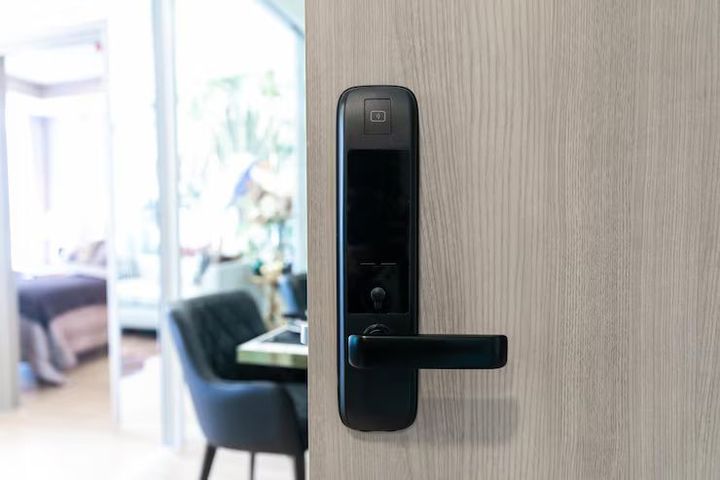
A smart lock allows users to unlock doors through a smartphone application, PIN code, fingerprint scanner, or voice assistant. These systems reduce the need for physical keys while providing better control over who enters a property.
What Are Smart Door Locks?
Smart door locks are electronic locking systems designed to replace or upgrade standard mechanical locks. They connect with wireless networks such as Wi-Fi, Bluetooth, or Zigbee, allowing users to manage access remotely.
Unlike traditional locks, these systems can record entry activity, send notifications, and support multiple authentication methods. Many smart home security platforms integrate door locks with security cameras, alarm systems, and motion sensors.
Common Access Methods
- Mobile application control
- Fingerprint recognition
- PIN code entry
- Voice command integration
- Temporary digital passcodes
- NFC and smart card authentication
These options provide flexibility for families, property managers, and remote workers.
Why Smart Door Locks Are Growing in Popularity
The demand for connected home technology continues to rise worldwide. Homeowners want greater convenience while maintaining high security standards.
A smart lock helps eliminate common problems like lost keys or forgotten duplicates. Instead of changing physical locks, users can simply update digital credentials.
Many modern households also use integrated smart home ecosystems where lighting, surveillance cameras, and security devices work together. Smart locks fit naturally into this connected environment.
Key Benefits
Improved Security
Many advanced models use encryption technology and multi-factor authentication to reduce unauthorized access. Fingerprint verification and unique PIN codes add another layer of protection.
Remote Access Management
Users can lock or unlock doors from almost anywhere through a mobile application. This feature is useful when allowing family members or trusted visitors into the home.
Activity Monitoring
Most digital lock systems maintain access logs. Homeowners can review when doors were opened and which authentication method was used.
Temporary Access Permissions
Instead of sharing physical keys, temporary digital codes can be created for guests or maintenance visits. These codes can expire automatically after a specific period.
Different Types of Smart Door Locks
Choosing the right system depends on the property type and security needs.
Keypad Smart Locks
These locks use a numeric code for entry. They are simple to operate and suitable for households with multiple users.
Biometric Door Locks
Fingerprint technology has become one of the most trusted security solutions. Biometric systems rely on unique physical characteristics, making unauthorized access more difficult.
Bluetooth Smart Locks
Bluetooth models work when an authorized smartphone is nearby. They often consume less power while offering fast access.
Wi-Fi Connected Locks
Wi-Fi smart locks provide remote management through internet connectivity. Users can monitor and control their doors from almost any location.
Hybrid Smart Locks
Some devices combine physical keys with digital authentication methods. This backup option can be useful during power or connectivity issues.
Features to Look For
Not every smart lock offers the same capabilities. Understanding the available features helps users make informed decisions.
Strong Encryption
Cybersecurity is just as important as physical security. End-to-end encryption protects communication between the lock and connected devices.
Multi-Factor Authentication
Combining fingerprints, PIN codes, and mobile verification creates stronger protection.
Battery Backup Alerts
Most smart locks operate on batteries. Low battery notifications help prevent unexpected lockouts.
Smart Home Compatibility
Many users connect locks with home automation platforms for a more complete security setup.
Emergency Access Options
Mechanical key overrides or backup power connections provide additional reliability.
Smart Door Locks and Home Automation
The growth of smart home technology has changed how security systems operate. Door locks can now interact with multiple connected devices.
For example, unlocking the front door may automatically activate indoor lighting or deactivate a security alarm. Similarly, locking the house can trigger cameras and motion sensors.
This integration creates a more efficient and secure living environment.
Cybersecurity Considerations
As with any connected device, digital security should not be ignored.
Homeowners can improve protection by following a few simple practices:
- Use strong passwords
- Enable two-factor authentication
- Update firmware regularly
- Secure home Wi-Fi networks
- Review access permissions frequently
These habits help reduce the risk of unauthorized digital access.
Practical Applications
Smart door locks are useful in many situations beyond traditional homes.
Residential Properties
Families appreciate keyless convenience and the ability to monitor entry activity.
Apartment Communities
Digital access control simplifies management while improving tenant security.
Vacation Properties
Remote monitoring allows owners to manage guest access without physical keys.
Home Offices
Professionals working from home often use advanced security technology to protect sensitive equipment and information.
Future Trends in Smart Lock Technology
The smart security industry continues to evolve with new innovations.
Artificial intelligence is improving access management by analyzing user behavior patterns. Cloud-based security platforms are making remote monitoring more efficient. Advanced biometric authentication is also becoming faster and more accurate.
Experts predict that connected security devices will become even more integrated with complete home automation systems.
Voice recognition, facial authentication, and predictive security analytics may play larger roles in future smart lock solutions.
Common Myths About Smart Door Locks
Myth: Smart Locks Are Less Secure
Modern systems often include encryption and authentication technologies that add security layers beyond traditional keys.
Myth: They Stop Working Without Internet
Many devices continue operating through Bluetooth, offline PIN codes, or mechanical backup keys.
Myth: They Are Difficult to Use
Most smart locks are designed with simple interfaces that allow quick setup and daily operation.
Final Thoughts
Smart door locks represent an important step in the evolution of home security. They combine convenience, digital access control, and modern authentication technology into one solution.
Whether using fingerprint recognition, mobile applications, or keypad entry, these systems help homeowners manage security more efficiently. Combined with good cybersecurity practices and a reliable smart home setup, smart locks can contribute to a safer and more connected living environment.