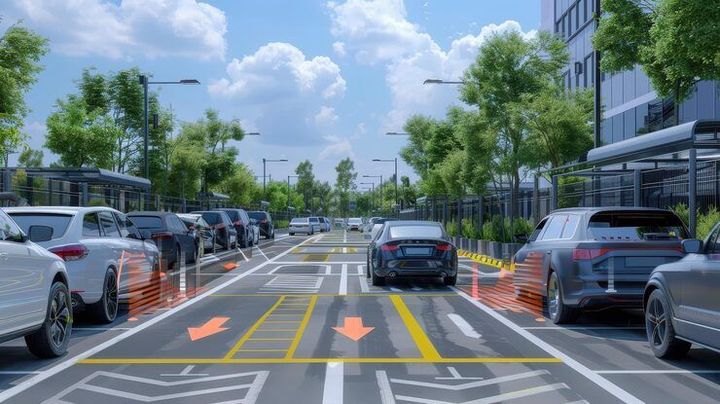
Smart parking sensors are transforming how cities manage parking spaces. They use automation and data-driven systems to detect whether a parking spot is occupied or available. This helps reduce congestion and improves overall urban mobility.
Traditional parking systems often rely on manual observation, which leads to inefficiencies and wasted time. With the rise of connected technologies, smart parking solutions are becoming essential for modern cities. These systems provide real-time updates to drivers and city authorities.
How Smart Parking Sensors Work
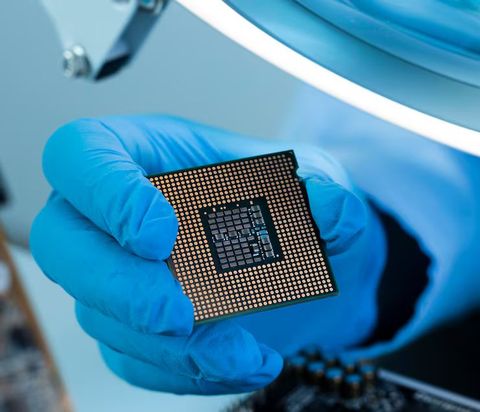
Smart parking systems use multiple technologies to detect vehicle presence and transmit data. These technologies ensure accurate monitoring of parking availability.
Key Technologies Used
-
Internet of Things (IoT) sensors
-
Ultrasonic vehicle detection
-
Magnetic ground sensors
-
Camera-based monitoring systems
-
Wireless communication networks
Sensors detect changes such as distance or magnetic field variations when a vehicle occupies a space. This data is then transmitted to digital platforms like mobile apps or dashboards.
Common Deployment Areas
Smart parking sensors are widely used in:
-
Urban streets
-
Shopping centers
-
Airports
-
University campuses
-
Commercial buildings
-
Smart city infrastructure
These deployments help create a more organized and efficient parking ecosystem.
Why Smart Parking Sensors Matter in Modern Cities
Urban mobility challenges have increased due to rapid population growth and vehicle ownership. Drivers often spend several minutes searching for parking, leading to unnecessary delays.
Key Benefits
-
Reduced traffic congestion
-
Better use of parking infrastructure
-
Lower vehicle emissions
-
Improved navigation through real-time data
-
Enhanced urban planning insights
Smart parking systems provide valuable data for city authorities. This data helps analyze peak usage times and parking demand, leading to better infrastructure planning.
Industries That Benefit
-
Urban transportation management
-
Commercial real estate
-
Smart city platforms
-
Airport operations
-
Retail and hospitality sectors
Additionally, integration with electric vehicle (EV) charging stations ensures efficient use of charging spaces.
Recent Updates and Technology Trends
Smart parking technology has evolved rapidly, especially in recent years. Innovations in AI and connectivity are improving system efficiency and accuracy.
Key Trends
-
AI-powered parking analytics
-
Integration with navigation apps
-
Cloud-based dashboards
-
Solar-powered sensors
-
Smart curb management systems
Edge computing is also being used to process data locally, reducing delays. Many cities are integrating smart parking into larger traffic management systems.
Sensor Technology Comparison
| Sensor Technology | Detection Method | Typical Environment |
|---|
| Ultrasonic Sensors | Distance measurement | Indoor parking garages |
| Magnetic Sensors | Magnetic field changes | Street parking |
| Camera-based Sensors | Image recognition | Large parking facilities |
| Radar Sensors | Radio wave detection | Outdoor urban areas |
Cities are also exploring digital twin technology to simulate parking and traffic conditions. Additionally, 5G connectivity is enabling faster communication between devices.
Laws, Regulations, and Urban Mobility Policies
Smart parking systems must comply with various regulations related to data, infrastructure, and communication technologies.
Key Regulatory Areas
-
Data privacy and protection laws
-
Urban traffic management policies
-
Environmental sustainability regulations
-
Public infrastructure standards
Governments often include smart parking in broader smart city initiatives. These programs aim to improve transportation efficiency and reduce environmental impact.
Wireless communication technologies such as LoRaWAN and NB-IoT must also comply with telecommunications regulations.
Useful Tools and Digital Resources for Smart Parking Systems
Smart parking ecosystems rely on various digital tools to manage data and operations effectively.
Common Tools
-
IoT device management platforms
-
Traffic analytics dashboards
-
Urban mobility data platforms
-
Parking monitoring systems
-
Data visualization software
These tools integrate multiple data sources such as parking availability, traffic conditions, and weather updates. This enables better decision-making for both drivers and city planners.
Smart Parking Workflow
| Step | System Process | Purpose |
|---|
| Sensor Detection | Vehicle presence detected | Determine occupancy |
| Data Transmission | Wireless data transfer | Update parking system |
| Cloud Processing | Data analyzed and stored | Generate insights |
| User Interface | Drivers view availability | Improve parking decisions |
Digital mapping and simulation tools further help cities visualize parking demand and optimize space usage.
Frequently Asked Questions
What are smart parking sensors?
Smart parking sensors are devices that detect whether a parking space is occupied or vacant. They send this information to digital systems for monitoring and management.
How do parking sensors detect vehicles?
They use technologies such as ultrasonic detection, magnetic field monitoring, radar signals, and camera-based systems.
Why are smart parking systems important?
They reduce congestion, improve parking efficiency, and support better urban planning decisions.
Can they support EV infrastructure?
Yes, many systems integrate with EV charging stations to monitor usage and availability.
Do they help the environment?
Yes, they reduce fuel consumption and emissions by minimizing the time spent searching for parking.
Conclusion
Smart parking sensors are a key component of modern urban infrastructure. They provide real-time insights into parking availability and help improve traffic flow.
With advancements in AI, IoT, and cloud computing, these systems are becoming more efficient and widely adopted. Governments and cities are integrating them into broader smart mobility strategies.
As urban populations continue to grow, smart parking technologies will play an essential role in creating sustainable and efficient transportation systems.