Smart Water Sensors Overview: Discover How Smart Monitoring Protects Water Systems
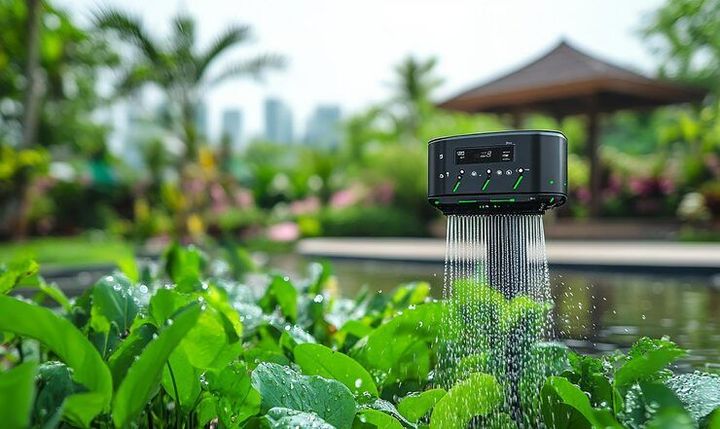
Smart water sensors are digital monitoring devices designed to detect changes in water conditions such as leaks, flow rate, pressure, and quality. These sensors are commonly connected to networks using Internet of Things (IoT) technology, allowing real-time monitoring and automated alerts when unusual conditions are detected.
Water systems are essential for cities, industries, agriculture, and households. Traditional monitoring methods often rely on manual inspection, which can delay the detection of leaks, contamination, or system failures. Smart water sensors address this issue by enabling continuous data collection and automated analysis .
These sensors are commonly installed in pipelines, reservoirs, water tanks, irrigation systems, and municipal networks. They monitor multiple parameters to ensure efficient water management and early issue detection.
Key Parameters Monitored
- Water flow rate
- Pressure levels in pipes
- Temperature
- Water quality indicators (pH, turbidity)
- Leak detection signals
Modern systems often integrate sensors with cloud platforms and analytics tools. This allows remote monitoring and faster response to potential issues.
Why Smart Water Sensors Matter Today
Water infrastructure plays a critical role in public health, environmental protection, and economic stability. Aging pipelines and climate challenges have made water management more complex. Smart water sensors help by enabling real-time monitoring and early detection of issues .
Population growth is increasing demand for efficient water systems, especially in urban areas. Sensors help track usage patterns and identify inefficiencies in supply networks.
Another major issue is water loss due to hidden leaks. Continuous monitoring helps detect abnormal pressure changes, allowing early intervention and reduced waste.
Industries also rely on smart monitoring for operational efficiency. These systems help manage cooling systems, wastewater treatment, and regulatory compliance.
Key Benefits
- Early leak detection
- Improved resource management
- Enhanced water quality monitoring
- Reduced operational risks
- Better compliance with regulations
Common Applications
- Smart infrastructure monitoring
- IoT-based water management systems
- Leak detection technologies
- Digital water utility management
Recent Developments and Technology Trends
Smart water monitoring has evolved significantly due to recent technological advancements. In 2025, smart city initiatives accelerated the adoption of connected water monitoring systems .
Artificial intelligence and predictive analytics are now being used to analyze sensor data. These technologies help detect early warning signs of system stress rather than just identifying existing issues.
Edge computing is another important development. It allows sensors to process data locally, reducing delays and improving response times.
Battery life and communication technologies have also improved. Many sensors now operate using low-power networks such as LPWAN, enabling longer deployment periods.
Emerging Trends
- AI-driven predictive maintenance
- Edge computing in sensor networks
- Low-power wireless communication (LPWAN)
- Micro-contaminant detection technologies
- Integration with digital twin models
Digital twin systems simulate water networks in virtual environments. This helps engineers test different scenarios and optimize infrastructure performance.
Regulations and Policy Considerations
Water monitoring technologies are closely linked to environmental and infrastructure regulations. Governments require monitoring systems to ensure safe drinking water and proper wastewater management .
Water utilities must comply with quality standards and monitoring requirements. These regulations ensure that water systems remain safe and sustainable.
Regulatory Requirements
- Regular water quality testing
- Leak detection and pipeline monitoring
- Wastewater tracking in industries
- Environmental protection compliance
In the United States, the Safe Drinking Water Act (SDWA) sets national standards for water quality. Similarly, the European Union Water Framework Directive promotes advanced monitoring to protect ecosystems.
Policy Focus Areas
- Environmental protection standards
- Water quality monitoring requirements
- Data security for connected systems
- Smart city infrastructure initiatives
These policies influence how smart water sensors are deployed and managed.
Useful Tools and Digital Resources
Smart water monitoring systems rely on a combination of hardware and digital tools. These technologies help organizations collect, analyze, and act on sensor data effectively .
Common Tools
- IoT monitoring dashboards
- Data analytics platforms
- Geographic Information Systems (GIS)
- Cloud-based storage systems
- Automated alert systems
These tools provide real-time insights into water systems. Operators can monitor performance and respond quickly to irregularities.
Common Sensor Types
| Sensor Type | Monitoring Function | Typical Application |
|---|---|---|
| Flow Sensors | Measure water movement | Municipal distribution systems |
| Pressure Sensors | Detect pressure changes | Pipeline leak detection |
| Water Quality Sensors | Monitor pH, turbidity, contaminants | Drinking water monitoring |
| Temperature Sensors | Track thermal variations | Industrial cooling systems |
| Leak Detection Sensors | Identify moisture or pipe damage | Building infrastructure monitoring |
Example Monitoring Metrics
| Monitoring Metric | Normal Range | Alert Trigger |
|---|---|---|
| Pipeline Pressure | Stable range | Sudden drop or spike |
| Flow Rate | Consistent levels | Unexpected reduction |
| pH Level | Standard range | Significant deviation |
| Turbidity | Low | Increased particle presence |
These systems help engineers visualize performance and detect issues efficiently.
Frequently Asked Questions
What are smart water sensors used for?
Smart water sensors monitor leaks, pressure, flow, and water quality in various infrastructure systems.
How do smart water sensors communicate data?
They use wireless technologies such as IoT networks, cellular systems, and LPWAN to transmit data.
Can smart water sensors detect contamination?
Yes, some sensors monitor pH levels and turbidity, which can indicate contamination or quality issues.
Where are smart water sensors commonly installed?
They are used in pipelines, water treatment plants, reservoirs, irrigation systems, industrial facilities, and buildings.
Do smart water sensors require constant human monitoring?
No, many systems automatically analyze data and generate alerts when abnormal conditions are detected.
Conclusion
Smart water sensors are transforming water management and infrastructure monitoring. They provide real-time insights into pipeline conditions, water flow, and quality, helping organizations detect issues early .
Advancements in IoT, artificial intelligence, and edge computing have further improved their capabilities. These technologies are now a key part of smart city initiatives and environmental protection efforts.
As global water challenges continue to grow, smart monitoring systems play a crucial role in improving efficiency, safety, and sustainability.