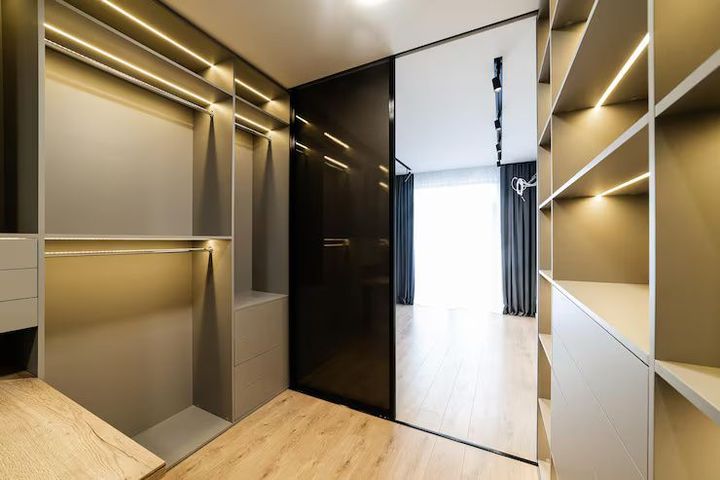
Soft-Close Sliding Wardrobe Systems: Explore Innovative Designs and Space-Saving Ideas
Soft-close sliding wardrobe systems are modern furniture mechanisms designed to make wardrobe doors glide silently and close gently. Unlike traditional hinged or sliding doors that can slam, these systems incorporate specialized damping mechanisms to absorb the impact, reducing noise and wear over time.
Soft-close sliding wardrobe systems are designed to provide smooth, controlled door movement without slamming. These systems use dampers, rollers, and precision tracks to gently slow the door before it fully closes.
They have become popular as homeowners look for efficient storage solutions that combine comfort, durability, and modern design.
How Soft-Close Mechanisms Work
Soft-close systems rely on engineered components that control door motion. When the door approaches the end of the track, a damper mechanism activates and gradually reduces speed.
This ensures a quiet and controlled closing experience, even when the door is pushed with force.
Core Components of the System
- Sliding tracks (aluminum or steel)
- High-quality rollers for smooth movement
- Soft-close dampers to control speed
- Door panels (wood, glass, or composite materials)
- Alignment guides for stability
These components work together to deliver consistent performance and reduce wear over time.
Why Soft-Close Sliding Wardrobe Systems Matter Today
Soft-close wardrobes are increasingly important in modern homes, especially where space optimization and user comfort are priorities.
Key Benefits
-
Safety
Prevents finger injuries caused by slamming doors, making it suitable for families with children. -
Durability
Reduces impact stress on doors and tracks, extending the lifespan of the wardrobe. -
Comfort
Provides silent and smooth operation for everyday convenience. -
Space Efficiency
Sliding doors require minimal clearance, making them ideal for compact rooms. -
Modern Aesthetics
Enhances interior design with sleek, minimalistic finishes.
These features make soft-close systems a practical choice for both residential and commercial environments.
Impact on Different Users
- Homeowners benefit from improved usability and safety
- Interior designers gain flexible design options
- Architects can optimize space planning
- Commercial spaces ensure quiet and premium experiences
Soft-close systems help solve common issues such as door misalignment, noise, and frequent maintenance.
Recent Trends and Innovations in Soft-Close Wardrobe Systems
The past year has seen several advancements in sliding wardrobe technology, driven by design innovation and user demand.
Key Trends (2025–2026)
-
Enhanced Roller Systems
Low-friction, high-durability rollers enable smoother movement for heavy doors. -
Smart Integration
Some systems now support touchless or app-controlled sliding mechanisms. -
Eco-Friendly Materials
Increased use of recyclable metals and sustainable engineered wood. -
Minimalist Hardware Designs
Slimmer tracks and frames create a cleaner and more modern appearance. -
Customizable Damping
Adjustable soft-close settings allow users to control closing speed and force.
These developments reflect a shift toward convenience, sustainability, and modern aesthetics.
Demand Growth Overview
| Year | Trend in Sliding Wardrobe Demand |
|---|---|
| 2023 | Stable adoption |
| 2024 | Growing interest |
| 2025 | Strong demand in urban housing |
| 2026 | Continued expansion |
Urban living and compact spaces are key drivers behind this growth.
Regulations, Standards, and Policies Affecting Soft-Close Wardrobes
Although no specific laws govern soft-close wardrobe systems, several standards influence their safety and design.
Key Regulatory Areas
-
Furniture Safety Standards
Guidelines such as ANSI/BIFMA ensure safe and reliable operation. -
Child Safety Regulations
Designs must minimize risks such as entrapment or injury. -
Material Compliance
Standards like CARB Phase 2 and EU E1 regulate emissions from engineered wood. -
Building Codes
Installations must not obstruct pathways or violate residential safety requirements.
These regulations help ensure that wardrobe systems are safe, durable, and environmentally responsible.
Tools and Resources for Planning and Maintenance
Proper planning and maintenance are essential for maximizing the performance of soft-close wardrobe systems.
Useful Tools and Their Functions
| Tool Type | Examples/Resources | Purpose |
|---|---|---|
| Measurement Apps | RoomScan, MagicPlan | Accurate room and wardrobe dimension planning |
| Maintenance Tools | Silicone lubricant, tools | Smooth operation and reduced wear |
| Design Calculators | IKEA Planner, SketchUp | Layout and space optimization |
| Installation Resources | Manuals, tutorials | Setup and troubleshooting guidance |
Additional Resources
- Manufacturer installation guides
- DIY alignment templates
- Storage planning tools
- Maintenance checklists
These resources help ensure efficient installation and long-term usability.
Frequently Asked Questions About Soft-Close Sliding Wardrobes
What is a soft-close sliding wardrobe system?
It is a mechanism that slows down the door before closing, preventing slamming and ensuring smooth operation.
Are these systems suitable for heavy doors?
Yes, modern systems can handle doors weighing up to 100–150 kg, depending on track and roller quality.
How long do soft-close mechanisms last?
High-quality systems can last 10–15 years or more with proper maintenance.
Can existing wardrobes be upgraded?
Yes, retrofit kits are available, though compatibility depends on the existing structure and door size.
Do they require special maintenance?
Basic maintenance includes cleaning tracks, lubricating rollers, and checking alignment regularly.
Choosing the Right Soft-Close Sliding Wardrobe
Selecting the right system requires evaluating multiple factors to ensure optimal performance.
Key Selection Factors
-
Track and Roller Quality
Choose durable materials like aluminum or steel with precision rollers. -
Door Weight and Material
Ensure compatibility between door weight and damping capacity. -
Space Constraints
Measure room layout to avoid obstruction and ensure smooth operation. -
Design Style
Consider frameless, semi-framed, or fully framed designs. -
Accessibility Features
Look for adjustable damping and ergonomic handles.
Selection Criteria Overview
| Factor | Consideration |
|---|---|
| Track Type | Aluminum vs steel, single vs double track |
| Door Weight | Light, medium, heavy compatibility |
| Space Efficiency | Sliding vs hinged door requirements |
| Design Style | Frameless or framed options |
| Maintenance | Ease of cleaning and lubrication |
Conclusion
Soft-close sliding wardrobe systems have become an essential feature in modern interior design. They combine safety, durability, and convenience with sleek aesthetics that suit contemporary living spaces.
Advancements in materials, smart features, and design have further enhanced their functionality and appeal. By understanding trends, tools, and selection factors, users can choose systems that meet both practical and aesthetic needs.
With proper installation and maintenance, soft-close sliding wardrobes provide long-term reliability while improving everyday comfort and usability.