Software Development Life Cycle (SDLC) Overview: Stages, Purpose, and How It Works in Practice
The Software Development Life Cycle (SDLC) is a structured framework used in software engineering to design, develop, test, and maintain software applications. It outlines a sequence of stages that guide development teams from the initial concept of a system to its deployment and ongoing maintenance. The goal of SDLC is to ensure that software is created efficiently, securely, and in alignment with project requirements.
Software systems are complex, involving components like application development, data management, cybersecurity, and user interface design. Without a structured process, projects can face delays, technical issues, or quality concerns. The SDLC framework helps manage these challenges by organizing tasks into clearly defined phases.
Although the concept has evolved over decades, the core idea remains: follow a systematic process to build reliable software products. Common SDLC models include Waterfall, Agile, Iterative, Spiral, and DevOps-based workflows, each adapting to different project needs.
SDLC Phases
A typical SDLC framework consists of the following stages:
| Phase | Description |
|---|---|
| Planning | Defining project scope, objectives, and feasibility |
| Requirements Analysis | Gathering technical and user requirements |
| System Design | Creating architecture, database design, and UI structures |
| Development | Writing source code and implementing features |
| Testing | Identifying bugs and validating system functionality |
| Deployment | Releasing the application to users or production systems |
| Maintenance | Updating, monitoring, and improving the software |
This structured lifecycle improves clarity, accountability, and efficiency throughout the development process.
Importance of SDLC in Modern Software Development
Structured SDLC processes are crucial as businesses, governments, and organizations rely heavily on digital systems.
Key Benefits
- Improved Project Management: Organizes tasks, assigns responsibilities, and tracks progress.
- Higher Software Quality: Systematic testing ensures functional and stable applications.
- Enhanced Cybersecurity: Secure SDLC integrates vulnerability testing and code reviews early in development.
- Efficient Resource Allocation: Optimizes time, computing resources, and developer effort.
- Regulatory Compliance: Supports adherence to data protection and cybersecurity regulations.
The adoption of cloud computing, AI, and distributed systems further emphasizes organized development processes.
Recent Updates and Trends in SDLC
Growth of DevOps and Continuous Integration
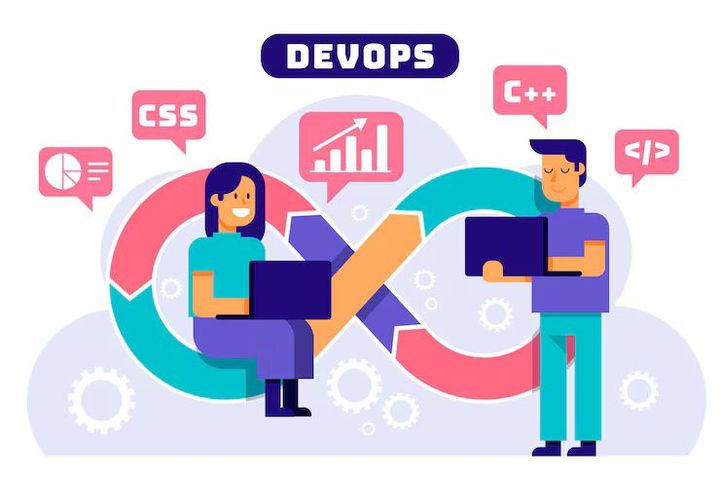
In 2025, DevOps pipelines combining development and operations have become mainstream. Continuous integration (CI) and continuous delivery (CD) automate testing, building, and deployment, reducing delays and supporting frequent software updates.
Integration of Artificial Intelligence
AI tools now assist in coding, debugging, and system design. AI-assisted environments help developers optimize code and identify errors early, improving productivity.
Expansion of Secure Development Practices
Cybersecurity awareness has increased, leading to adoption of Secure SDLC practices. Security testing, vulnerability scanning, and penetration testing are integrated into early development phases.
Growth of Cloud-Native Development
Cloud-native design encourages scalable applications on cloud infrastructure. Containerization and microservices architectures support deployment across distributed environments.
Focus on Low-Code and Automation Platforms
Low-code platforms simplify routine tasks, reducing development time for basic applications. Automation assists developers while traditional engineering handles complex systems.
Laws and Policies Affecting Software Development
Software development is influenced by digital regulations, cybersecurity laws, and data protection policies, varying by country.
Data Protection Regulations
- GDPR (European Union) and other regional frameworks require responsible handling of personal data.
- Privacy integration into application design is essential for compliance.
Cybersecurity Guidelines
- Governments provide frameworks for risk assessment, vulnerability monitoring, and encryption.
- Influences SDLC, especially in finance, healthcare, and digital identity systems.
Government Digital Transformation Programs
- Promote standardized development frameworks, secure services, and scalable infrastructure.
- Emphasize documentation, compliance, and transparent processes for developers.
Tools and Resources for SDLC
Common Tools by SDLC Phase
| SDLC Phase | Common Tools and Platforms |
|---|---|
| Project Planning | Jira, Trello, Asana |
| Requirements Management | Confluence, Notion, Microsoft Teams |
| Development | GitHub, GitLab, Visual Studio Code |
| Testing | Selenium, JUnit, Postman |
| Deployment | Docker, Kubernetes |
| Monitoring | New Relic, Datadog |
Additional Resources
- Version control systems
- Continuous integration pipelines
- Code quality analysis tools
- Documentation platforms
- Cloud platforms for scalable infrastructure
These tools support collaboration, transparency, and efficient project management.
Frequently Asked Questions About SDLC
What is the main goal of SDLC?
To create high-quality software via structured development phases, ensuring project clarity and efficiency.
What are common SDLC models?
Waterfall, Agile, Spiral, Iterative, and DevOps-based workflows.
How does SDLC improve cybersecurity?
Integrates security checks into multiple stages to detect and prevent vulnerabilities early.
Is SDLC used only by large companies?
No. Organizations of all sizes adapt SDLC based on project scale.
How does Agile differ from traditional SDLC?
Agile uses iterative cycles and incremental releases, unlike traditional sequential approaches.
Simplified SDLC Workflow
| Stage | Key Activities | Outcome |
|---|---|---|
| Planning | Define objectives and scope | Project roadmap |
| Design | Architecture and system planning | Technical blueprint |
| Development | Code implementation | Functional software modules |
| Testing | Quality assurance and bug detection | Stable application |
| Deployment | Release to production | Operational system |
| Maintenance | Updates and monitoring | Continuous improvements |
This structured workflow enhances organization, reliability, and system quality.
Conclusion
The Software Development Life Cycle remains a cornerstone of modern software engineering. By dividing development into structured phases, SDLC ensures reliable, secure, and scalable software.
As technology advances, challenges such as cybersecurity, cloud infrastructure, and data privacy emphasize the need for structured processes. Trends like DevOps automation, AI-assisted development, and secure coding practices demonstrate SDLC’s ongoing evolution.
Understanding SDLC principles enables developers and organizations to create efficient, compliant, and high-quality software systems across industries.