Spa Massage Guide: Relaxation Methods, Wellness Benefits, and First Visit Expectations
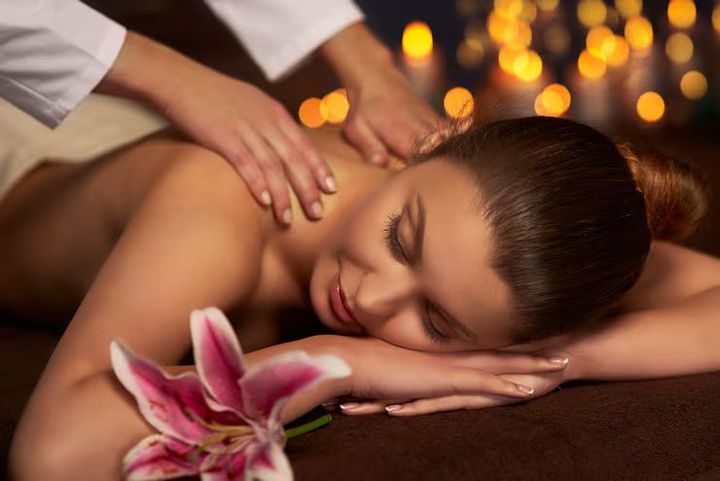
Spa massage refers to a range of relaxation and wellness techniques that involve structured touch, pressure, and movement applied to muscles and soft tissues. These practices are commonly associated with wellness centers, relaxation facilities, and therapeutic environments designed to support physical comfort and stress reduction.
The concept of massage therapy has existed for thousands of years across cultures. Ancient civilizations in China, India, Egypt, and Greece developed manual bodywork techniques to support relaxation and physical balance. Over time, these traditional practices evolved into modern spa environments focused on wellness.
Today, spa massage includes techniques such as Swedish massage, deep tissue massage, aromatherapy massage, hot stone therapy, and reflexology. Each method focuses on different pressure levels and relaxation outcomes.
Spa environments emphasize calm surroundings, comfortable temperatures, and soothing atmospheres. The goal is to support both physical relief and mental restoration. Many people include spa massage as part of a broader wellness routine.
Why Spa Massage Matters in Modern Wellness
Modern lifestyles often involve stress, sedentary work habits, and extended screen time. These factors have increased interest in relaxation techniques and preventive wellness practices. Spa massage is now widely discussed within this context.
Many individuals experience physical tension from prolonged sitting or repetitive tasks. Massage techniques aim to reduce muscle stiffness, support relaxation, and encourage better circulation.
Common Groups Exploring Spa Massage
- Office workers experiencing muscle tension
- Athletes recovering from physical exertion
- Individuals seeking stress management
- People focused on self-care routines
- Travelers engaged in wellness tourism
Common Challenges Addressed
- Muscle tightness from prolonged sitting
- Stress-related physical discomfort
- Limited mobility from inactive lifestyles
- General fatigue from demanding schedules
Types of Spa Massage Techniques
| Massage Technique | Pressure Level | Typical Focus |
|---|---|---|
| Swedish Massage | Light to moderate | Relaxation and circulation |
| Deep Tissue Massage | Moderate to strong | Muscle tension and stiffness |
| Hot Stone Therapy | Moderate | Muscle warmth and relaxation |
| Aromatherapy Massage | Light | Relaxation using essential oils |
| Reflexology | Targeted pressure | Foot and pressure points |
Each technique offers different benefits depending on individual needs and comfort levels.
Recent Trends and Developments in Spa Wellness
Recent wellness trends show a growing interest in relaxation as part of daily health routines. Reports from 2024 and early 2025 highlight increased awareness of stress management and lifestyle balance.
Technology is becoming more integrated into spa environments. Digital booking systems, wellness apps, and smart environments now enhance user experience by adjusting lighting, temperature, and sound.
Emerging Wellness Trends
- Personalized wellness plans
- Combination of massage with meditation practices
- Increased focus on stress management
- Integration of traditional and modern therapies
- Growth in wellness tourism
Mind-body wellness approaches are also expanding. Many programs now combine massage with breathing exercises and guided meditation for better overall outcomes.
Wellness Interest Trends (2025)
| Wellness Activity | Public Interest Trend |
|---|---|
| Massage Therapy | High |
| Meditation | High |
| Yoga and Stretching | Moderate to High |
| Aromatherapy | Moderate |
| Digital Wellness Apps | Increasing |
These trends reflect a shift toward preventive health and lifestyle-focused wellness.
Regulations and Policies Affecting Spa Massage
Spa massage practices are guided by regulations that vary by region. These rules typically focus on safety, training standards, and consumer protection.
In many countries, massage practitioners must complete certification programs. Training often includes anatomy education, hygiene practices, and proper technique application.
Key Regulatory Areas
- Hygiene and sanitation standards
- Practitioner certification and licensing
- Workplace safety guidelines
- Client privacy and professional conduct
Health authorities may also enforce public safety policies. These ensure that facilities maintain clean environments and safe equipment.
Additional Compliance Requirements
- Clean facility guidelines
- Environmental safety standards
- Accessibility for public use
These policies help maintain safe and reliable wellness environments for both practitioners and clients.
Helpful Tools and Learning Resources
People interested in spa massage often explore digital tools and educational resources. These tools help individuals understand relaxation techniques and incorporate them into daily routines.
Common Learning Resources
- Wellness education websites
- Anatomy learning platforms
- Meditation and relaxation apps
- Stress management guides
- Professional training materials
Popular Digital Wellness Tools
- Meditation and mindfulness apps
- Fitness tracking devices
- Sleep monitoring tools
- Stretching and mobility guides
- Wellness journals
Digital Wellness Tools Overview
| Tool Type | Purpose |
|---|---|
| Meditation Apps | Guided breathing and mindfulness exercises |
| Fitness Trackers | Monitor physical activity |
| Sleep Monitoring Apps | Track sleep cycles |
| Stretching Guides | Provide mobility exercises |
| Wellness Journals | Track stress and lifestyle habits |
These tools support a more structured and informed approach to wellness.
Frequently Asked Questions
What happens during a typical spa massage session?
A session usually begins with a consultation to understand preferences and comfort levels. The practitioner then applies specific techniques to promote relaxation and ease muscle tension.
Are there different types of spa massage techniques?
Yes, common types include Swedish massage, deep tissue massage, reflexology, hot stone therapy, and aromatherapy massage. Each technique focuses on different pressure levels and outcomes.
How should someone prepare for their first spa massage?
It is recommended to arrive relaxed, wear comfortable clothing, and communicate any preferences. Staying hydrated and allowing time to rest afterward is also helpful.
Is massage therapy part of wellness programs?
Massage therapy is often included in broader wellness programs. These may also include exercise, mindfulness practices, and lifestyle management strategies.
Can spa massage support stress management?
Massage is commonly explored as a relaxation method that may help reduce tension. However, results can vary depending on individual needs and overall wellness habits.
Conclusion
Spa massage has evolved from ancient practices into a key part of modern wellness culture. It combines traditional techniques with contemporary approaches to support relaxation and physical comfort.
As interest in stress management and preventive health grows, spa massage continues to gain attention. Trends such as digital wellness tools, personalized programs, and wellness tourism highlight its increasing role in everyday life.
Regulations and training standards ensure safe and professional practices. At the same time, educational resources help individuals make informed decisions about their wellness routines.