As urban living spaces continue to shrink, especially in apartments and compact homes, efficient storage has become essential. Traditional wardrobes often require large areas, which are no longer practical in modern housing.
Space-saving wardrobe concepts provide flexible solutions that help store clothing and personal items without occupying excessive floor space. These designs focus on maximizing utility while maintaining an organized and visually appealing environment.
What Are Space-Saving Wardrobe Concepts?
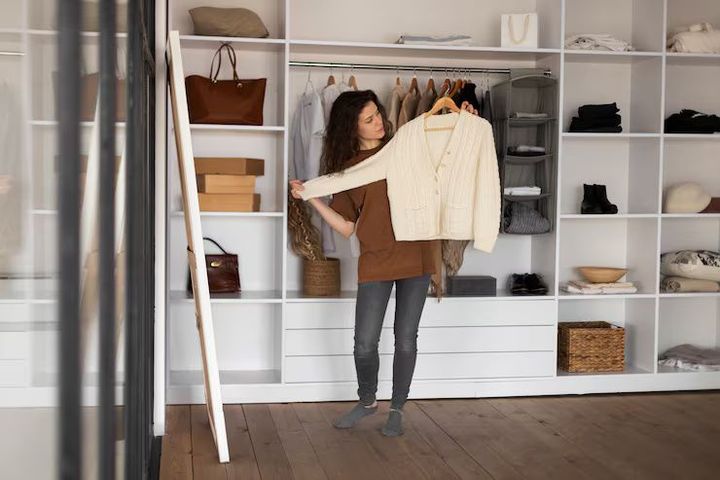
Space-saving wardrobes are designed to optimize storage in limited spaces. They incorporate smart features such as vertical storage, sliding doors, and modular compartments to enhance functionality.
Common Design Approaches
-
Built-in wardrobes integrated into walls
-
Sliding-door wardrobes that minimize clearance space
-
Modular wardrobe systems with customizable shelves
-
Multi-purpose wardrobes combined with desks or beds
-
Vertical storage units extending to ceiling height
These approaches allow homeowners to maintain open living areas while ensuring efficient organization.
Why Space-Saving Wardrobe Design Matters
With increasing urbanization, smaller residential units have become more common. Efficient storage is no longer optional but necessary for maintaining comfort and usability.
Key Benefits
-
Keeps compact homes organized and clutter-free
-
Enhances room aesthetics by improving visual balance
-
Improves accessibility to clothing and accessories
-
Supports multi-purpose room usage, especially for remote work
Who Benefits the Most?
-
Apartment residents in urban areas
-
Students in shared accommodations
-
Families in compact homes
-
Studio apartment dwellers
-
Homeowners redesigning small bedrooms
Well-designed wardrobes also contribute to flexibility and long-term usability, especially when modular systems are used.
Recent Trends in Compact Wardrobe Design (2024–2025)
Interior design trends continue to evolve to support smaller living spaces. Recent developments emphasize flexibility, sustainability, and smart storage integration.
Emerging Trends
-
Floor-to-ceiling wardrobes for maximum vertical storage
-
Hidden wardrobes integrated into wall panels
-
Corner wardrobes utilizing unused spaces
-
Minimalist interiors for better organization
-
Glass or mirrored sliding doors to create visual openness
Innovation Highlights
-
Modular systems that can be rearranged or expanded
-
Smart storage features like LED lighting and hidden compartments
-
Use of sustainable materials such as recycled wood and low-emission finishes
These trends reflect the growing demand for adaptable and environmentally responsible furniture solutions.
Regulations and Policies Influencing Wardrobe Design
Although wardrobe design is largely based on personal preference, several regulations indirectly influence storage solutions.
Key Regulatory Factors
-
Minimum bedroom size and ceiling height requirements
-
Indoor air quality standards for furniture materials
-
Fire safety guidelines in residential construction
-
Environmental policies promoting sustainable materials
These regulations encourage efficient and safe design practices, especially in compact housing developments.
Tools and Resources for Wardrobe Planning
Digital tools have made it easier to design and plan space-saving wardrobes. These tools help visualize layouts and improve storage efficiency.
Common Planning Tools
-
3D interior design software
-
Room measurement applications
-
Space planning templates
-
Digital wardrobe configuration tools
-
Home organization planners
Wardrobe Planning Factors
| Planning Factor | Description | Benefit |
|---|
| Vertical storage | Using wall height for shelving | Maximizes storage capacity |
| Sliding doors | Doors that move sideways | Saves floor space |
| Modular shelves | Adjustable storage units | Flexible organization |
| Multi-use compartments | Combined drawers and racks | Efficient item storage |
Storage Allocation Example
| Storage Category | Recommended Space Allocation |
|---|
| Hanging clothes | 40–50% |
| Folded clothes | 25–30% |
| Accessories | 10–15% |
| Seasonal storage | 10–15% |
Using these tools ensures better organization and long-term usability.
Frequently Asked Questions
What is a space-saving wardrobe design?
A space-saving wardrobe is a storage system designed to maximize organization while minimizing floor space. It often includes vertical storage and modular components.
Why are sliding doors popular?
Sliding doors move horizontally, eliminating the need for extra clearance space. This makes them ideal for compact rooms.
How does vertical storage help?
Vertical storage uses the full height of a wall, increasing storage capacity without using additional floor space.
What is a modular wardrobe system?
A modular wardrobe consists of adjustable components such as shelves and drawers that can be rearranged as needed.
Are these wardrobes suitable for large homes?
Yes. They improve organization and aesthetics in both small and large living spaces.
Additional Insights on Storage Efficiency
Space-saving wardrobes work best when combined with proper organization strategies. Categorizing items and maintaining a logical layout improves usability.
Effective Organization Methods
-
Seasonal clothing rotation
-
Separate compartments for accessories
-
Dedicated sections for folded garments
-
Adjustable shelving for various item sizes
Storage Efficiency Comparison
| Storage Element | Efficiency Impact |
|---|
| Adjustable shelves | High |
| Pull-out drawers | Moderate |
| Hanging rails | High |
| Hidden compartments | Moderate |
Combining wardrobes with other space-saving furniture like storage beds or wall-mounted desks further enhances functionality.
Conclusion
Space-saving wardrobe concepts are essential in modern home design, especially as living spaces become more compact. These systems combine smart layouts, modular components, and vertical storage to create efficient and organized environments.
Recent trends highlight the importance of flexibility, sustainability, and technology integration in wardrobe design. By understanding these concepts, homeowners and designers can create practical storage solutions that support modern lifestyles.