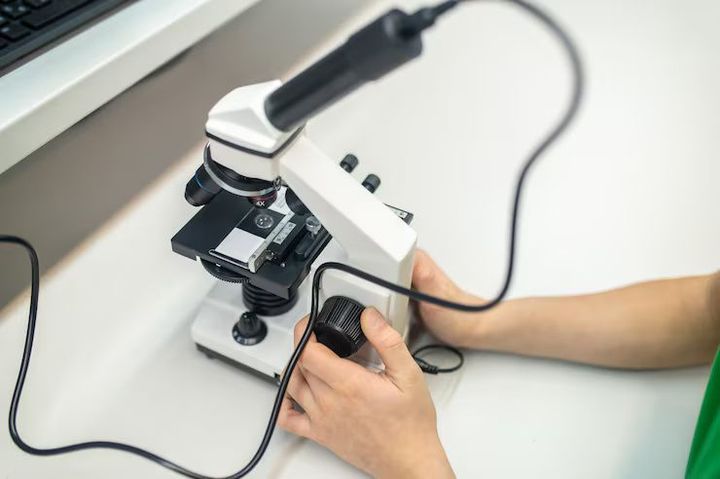
Spectrophotometers: A Complete Guide to Modern Analysis
Spectrophotometers are among the most important instruments used in modern laboratories. They help scientists, researchers, engineers, and quality control teams measure how light interacts with different materials. From environmental monitoring to pharmaceutical research, these devices support accurate testing and reliable data collection.
As industries continue to depend on precision measurement, spectrophotometers have become an essential part of analytical testing. Their ability to measure light absorption and transmission makes them valuable in many scientific and industrial applications.
What Is a Spectrophotometer?
A spectrophotometer is an analytical instrument that measures the amount of light absorbed or transmitted by a sample. The basic principle is simple. A beam of light passes through a material, and the instrument records how much light is absorbed at specific wavelengths.
Different substances absorb different amounts of light. This unique characteristic allows scientists to identify materials and determine their concentration.
Modern spectrophotometers are designed with advanced optical systems, digital displays, and automated calibration features that improve testing accuracy and efficiency.
How Does a Spectrophotometer Work?
A spectrophotometer typically consists of several key components.
Light Source
The instrument uses a light source that generates ultraviolet, visible, or infrared light depending on the testing requirements.
Monochromator
The monochromator separates the light into individual wavelengths, allowing the instrument to analyze a specific range.
Sample Holder
The sample is placed inside a cuvette or specialized container where light passes through the material.
Detector
The detector measures the intensity of the transmitted light and converts it into digital data.
Data Processing System
The software calculates absorbance and transmittance values, making it easier to interpret the results.
This process provides highly accurate measurements that support laboratory automation and scientific research.
Types of Spectrophotometers
Different industries require different analytical capabilities. Several types of spectrophotometers are commonly used.
UV-Visible Spectrophotometers
These instruments measure ultraviolet and visible light. They are widely used in chemistry, biology, and pharmaceutical laboratories.
Infrared Spectrophotometers
Infrared models analyze molecular structures and chemical bonds, making them useful in material science and forensic investigations.
Atomic Absorption Spectrophotometers
These systems detect metal elements in samples and are often used for environmental testing and industrial quality assurance.
Fluorescence Spectrophotometers
These specialized instruments measure fluorescent emissions and are frequently used in biotechnology and medical research.
Each type offers unique advantages depending on the analytical requirements.
Major Applications of Spectrophotometers
Spectrophotometers support a wide range of industries worldwide.
Pharmaceutical Research
Drug development laboratories use spectrophotometers to analyze compounds, verify formulations, and maintain product consistency.
Environmental Monitoring
Water quality testing often depends on spectrophotometric analysis to detect contaminants and monitor pollution levels.
Food and Beverage Industry
Manufacturers use these instruments to measure color, ingredient concentration, and product quality.
Biotechnology and Healthcare
Researchers study proteins, DNA, enzymes, and other biological samples using advanced optical analysis techniques.
Chemical Manufacturing
Chemical laboratories rely on spectrophotometers for process monitoring and quality control.
The global analytical instrumentation sector continues to expand as industries demand more accurate testing methods and data-driven decision making.
Advantages of Modern Spectrophotometers
Modern instruments provide several important benefits.
- High measurement accuracy
- Fast analytical results
- Minimal sample preparation
- Reliable quality assurance
- Automated data collection
- Improved laboratory productivity
- Support for regulatory compliance
Many advanced systems also integrate with digital laboratory management platforms, reducing manual work and improving workflow efficiency.
Factors That Influence Measurement Accuracy
Obtaining reliable results requires proper instrument maintenance and good laboratory practices.
Regular Calibration
Routine calibration helps maintain consistent performance and minimizes measurement errors.
Sample Quality
Clean and properly prepared samples improve analytical precision.
Environmental Conditions
Temperature, humidity, and dust can affect sensitive optical components.
Instrument Maintenance
Periodic inspection and cleaning help extend the lifespan of laboratory equipment.
Following these practices improves data reliability and supports long-term laboratory performance.
Latest Trends in Spectrophotometer Technology
Analytical technology is evolving rapidly. Several trends are shaping the future of spectrophotometric analysis.
Digital Laboratory Integration
Cloud-based data management allows researchers to store, review, and share analytical information more efficiently.
Artificial Intelligence
AI-powered software can detect patterns, automate calculations, and improve analytical workflows.
Portable Spectrophotometers
Compact devices allow field testing for environmental studies, agriculture, and industrial inspections.
Laboratory Automation
Automated sample handling systems increase testing speed while reducing human error.
Industry reports suggest that laboratory automation and smart analytical instruments will continue to play a significant role in scientific research and industrial quality management over the coming years.
Choosing the Right Spectrophotometer
Selecting the appropriate instrument depends on several factors.
Application Requirements
Different industries require different wavelength ranges and analytical capabilities.
Detection Sensitivity
High-sensitivity instruments are important for trace-level analysis.
Data Management Features
Modern software systems simplify record keeping and reporting.
Future Scalability
Laboratories often prefer equipment that can adapt to changing research needs.
Evaluating these factors helps organizations improve operational efficiency and maintain consistent analytical performance.
Conclusion
Spectrophotometers are essential tools in modern science and industry. Their ability to measure light absorption with high precision supports research, quality assurance, environmental monitoring, and advanced laboratory analysis.
As technology continues to evolve, spectrophotometers are becoming smarter, faster, and more connected through digital automation and artificial intelligence. These innovations help laboratories achieve greater accuracy, improve productivity, and generate reliable analytical data.